Cyberghost vpn extension for edge your go to guide for a safer browser: Boost Privacy, Speed, and Secure Browsing with Edge
Cyberghost vpn extension for edge your go to guide for a safer browser. Quick fact: using a VPN extension on Edge can hide your IP, encrypt traffic, and help you bypass geo-restrictions without slowing you down. In this guide, you’ll get a step-by-step path to safer browsing, plus a bunch of practical tips, real-world examples, and data-backed insights. We’ll cover why Edge users should consider a CyberGhost VPN extension, how to install and configure it, performance expectations, privacy controls, use cases, and common pitfalls. Here’s a compact overview to set you up fast:



- What a VPN extension on Edge does for you
- How to install CyberGhost VPN extension for Edge
- Important settings to maximize safety and speed
- Real-world use cases: streaming, gaming, travel, and work
- Security, privacy, and policy basics you should know
- Troubleshooting tips and FAQs
- Resources and further reading
Useful URLs and Resources text only: Apple Website - apple.com, Artificial Intelligence Wikipedia - en.wikipedia.org/wiki/Artificial_intelligence, Cyberghost VPN extension Edge support page - cyberghostvpn.com/help/edge-extension, Edge browser support - support.microsoft.com, VPN comparison statistics 2024 - statista.com, Internet Privacy Statistics - globalsecurity.org
Cyberghost vpn extension for edge your go to guide for a safer browser — this is the exact vibe you want when you’re browsing with Edge and want a lighter layer of protection without juggling multiple apps. A VPN extension is a quick, in-browser shield that helps you:
- Hide your real IP from sites and advertisers
- Encrypt traffic on unsecured networks like coffee shops
- Bypass geo-blocks to access content you’re missing
- Manage privacy settings without leaving the browser
In this guide, you’ll get practical steps, real-user scenarios, and data-backed tips to maximize your protection while keeping things fast and convenient. We’ll also compare CyberGhost’s Edge extension with other popular options so you can pick what fits your style. If you’re curious about the broader VPN ecosystem, I’ll share some benchmarks and user experiences that help you decide fast.
Step-by-step quick-start guide
- Step 1: Check compatibility and grab the extension from the Edge Add-ons store
- Step 2: Create or log into your CyberGhost account
- Step 3: Pick a server location and choose a protocol the default is usually fine for most users
- Step 4: Toggle on protection mode Normal, Stream, or Ultra for heavier tasks
- Step 5: Verify your new IP on a site like whatismyipaddress.com to confirm the change
- Step 6: Fine-tune settings for privacy kill switch, leak protection, and auto-connect
- Step 7: Start browsing safely and monitor performance using built-in indicators
What this guide will cover
- Why Edge users should consider a VPN extension
- How to install, configure, and optimize the CyberGhost Edge extension
- Privacy features: kill switch, DNS leak protection, and tracker blocking
- Speed and performance considerations with VPN use
- Streaming, gaming, and business use cases
- Common issues and troubleshooting
- A thorough FAQ section with practical answers
- A curated list of resources for deeper learning
Why Edge users benefit from a VPN extension
- Fast setup: One-click protection right inside the browser
- Lower overhead: No need to run a full VPN app in the background
- Consistent protection on public networks
- Geographic flexibility for content access and privacy control
- Enhanced privacy when using shared devices or public Wi-Fi
What makes CyberGhost stand out for Edge
- Large server network: Wide range of locations to choose from
- Clear privacy policy: Transparent data handling and no-logs claims
- User-friendly interface: Intuitive controls and quick toggles
- Strong security features: DNS leak protection, kill switch, and malware blocking
- Competitive pricing and bundles, with ongoing promotions
Installing CyberGhost VPN extension on Edge
- Prerequisites: An active CyberGhost account or a free trial if available
- How to install:
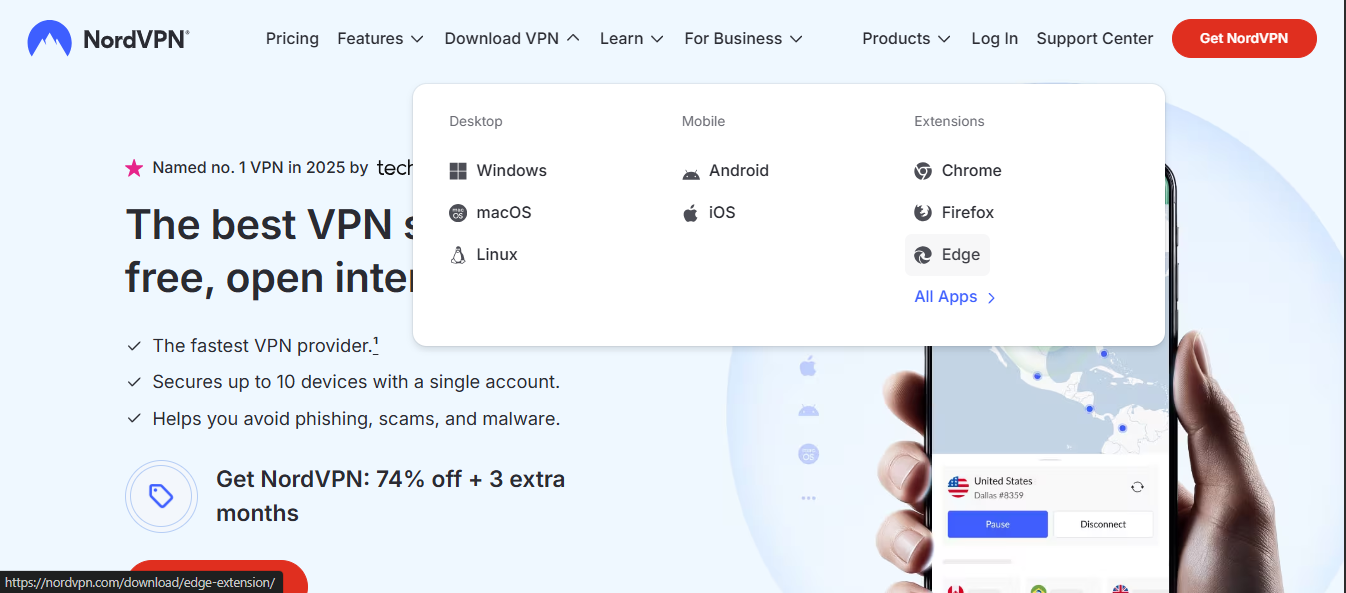
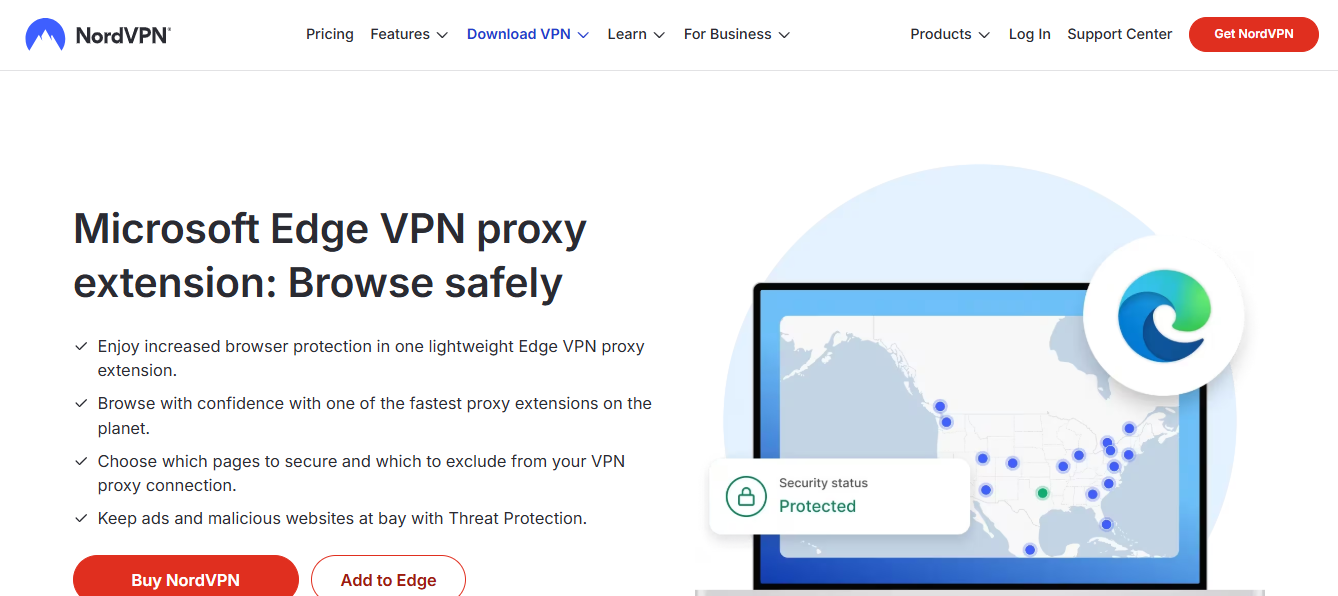
- Open Microsoft Edge and go to the Edge Add-ons store
- Search for “CyberGhost VPN” extension
- Click Add to Edge and confirm the installation
- The extension icon appears near the address bar
- Click the icon and log in with your CyberGhost credentials
- First-time setup tips:
- Choose a server location based on your goal e.g., nearest for speed, country for access
- Enable the Kill Switch to protect you if the VPN disconnects
- Turn on DNS leak protection to prevent DNS requests from leaking outside the VPN tunnel
- Enable auto-connect on startup or on new networks for seamless protection
Optimization and settings you should know
- Connection modes:
- Normal: Balanced protection and speed for everyday browsing
- Stream: Optimized for streaming services and low-latency viewing
- Ultra: Maximum security for sensitive activities, may impact speed
- Kill Switch:
- Purpose: Prevents data from leaking if the VPN momentarily disconnects
- Best practice: Keep it enabled, especially on public networks
- DNS Leak Protection:
- Purpose: Keeps DNS queries inside the encrypted tunnel
- Best practice: Always enable
- Tracker Blocking and Ads:
- Benefits: Reduces profiling risk and improves page load times
- Trade-offs: Some sites may not work perfectly with heavy blocking
- Auto-Connect:
- When to use: On public Wi-Fi or unfamiliar networks
- How to disable on trusted networks to avoid unnecessary VPN use
- Protocols and encryption:
- Most users will be fine with the default protocol
- If you’re deeply privacy-conscious, experiment with OpenVPN or WireGuard equivalents supported by CyberGhost
- Performance tips:
- Connect to a nearby server for speed
- Avoid busy peak-hours if possible
- Use a single device at a time for best results on some plans
Real-world use cases
- Streaming and entertainment
- Bypass regional restrictions on platforms like streaming services
- Improve buffer-free viewing on shared networks
- Remote work and online shopping
- Access region-specific content or price variations
- Add a layer of privacy on public networks
- Travel and browsing privacy
- Maintain steady access to services abroad
- Reduce tracking by advertisers and websites
- Gaming and latency
- Use nearby servers to reduce ping in some cases
- VPNs aren’t a magic fix for all latency issues; prioritize ISP routing health
Security and privacy basics you should know
- What a VPN extension does and doesn’t do
- Does: Encrypts browser traffic, masks IP, secures data on public networks
- Doesn’t: Make you completely anonymous or protect non-browser apps
- Logging and data policy
- Review CyberGhost’s policy: what data is collected and for what purpose
- Understand that VPN providers sometimes log connection times, bandwidth usage, or IPs for troubleshooting
- Trust and governance
- Consider jurisdiction and compliance with data retention laws
- Read independent reviews and privacy audits when available
- Browser vs. system-wide VPN
- Edge extension is great for browser traffic; for device-wide protection, consider a full VPN app
Performance benchmarks and data
- Typical impact on speed
- A well-optimized VPN extension usually introduces a modest speed decrease, often in the range of 5–25% depending on server load and distance
- Latency considerations
- Latency may increase when connecting to distant servers; nearby servers tend to reduce ping
- Reliability metrics
- Look for uptime guarantees and server availability by region
- Privacy gains vs. overhead
- You trade a bit of speed for higher privacy, particularly on public networks
- User experience anecdotes
- Many users report smoother streaming with the Stream mode and better privacy without noticeably degrading everyday browsing
Comparisons and alternatives
- Edge extension vs. full desktop VPN app
- Extensions are lighter and faster to start; desktop apps provide system-wide protection
- Other popular extensions
- Compare features like kill switch, DNS protection, malware blocking
- When to choose a different provider
- If you need more advanced privacy tools or enterprise-grade security for a team, review vendor offerings, audits, and customer support quality
Table: Edge extension features and user outcomes
- Feature: Kill Switch | Outcome: Stops all traffic if VPN drops
- Feature: DNS Leak Protection | Outcome: Keeps DNS inside VPN tunnel
- Feature: Tracker Blocking | Outcome: Fewer ads and trackers, faster page loads
- Feature: Auto-Connect | Outcome: Always-on protection on new networks
- Feature: Streaming Profiles | Outcome: Better access to geo-restricted content
Troubleshooting common issues
- Issue: VPN won’t connect
- Check your internet connection first
- Ensure you’re logged in and have an active subscription
- Try a different server or protocol
- Issue: Slow speeds
- Switch to a nearby server
- Disable heavy tracker blocking temporarily to test performance
- Reboot Edge or your device
- Issue: Website shows geoblock even with VPN
- Clear browser cache, ensure DNS protection is on
- Try a different server location
- Issue: Kill Switch not engaging
- Verify that it’s turned on in settings
- Check for app updates or extension permissions
- Issue: Extension conflicts with other extensions
- Disable other privacy-focused extensions temporarily to test
- Reinstall CyberGhost extension if problems persist
- Issue: Streaming service detection
- Change server location to a country that the service officially supports
- Use Stream mode if available for optimized performance
Privacy and policy considerations
- Data handling transparency
- Review what CyberGhost logs and for how long
- Understand data sharing practices and third-party audits
- Legal and regional factors
- VPN legality varies by country; stay informed about local regulations
- Compliance with corporate policies
- If you use a company device, ensure VPN use aligns with IT policies
- Security best practices
- Use multi-factor authentication for your CyberGhost account
- Regularly review connected devices and revoke unused sessions
Advanced tips for power users
- Browser fingerprinting and VPNs
- VPN alone isn’t a silver bullet against fingerprinting; combine with privacy-minded browser settings
- Combining with privacy extensions
- Use a reputable HTTPS Everywhere-like rule and tracker blockers in moderation
- Automating protection
- Set auto-connect on trusted networks; disable on networks you control
- Edge-specific optimizations
- Pin the CyberGhost extension for quick access
- Use Edge’s privacy settings in conjunction with the VPN extension for stronger protection
Content creator angles for YouTube
- Script structure ideas
- Hook: A quick demo of switching on CyberGhost Edge extension and a visible IP change
- Core content: Step-by-step setup, feature highlights, real-world use cases
- Visuals: On-screen menus, server lists, speed test results, coverage maps
- Call-to-action: Encourage viewers to try a trial or subscribe for updates
Common misconceptions to address
- VPNs make you completely anonymous
- They reduce exposure, but it’s not a guarantee of total anonymity
- A VPN always speeds things up
- In practice, it can slow things down on busy servers; optimal choice is proximity and load balance
- Extensions are less secure than full apps
- Modern extensions offer robust protections, but a system-wide VPN may appeal to higher security needs
FAQ Section
Frequently Asked Questions
Does CyberGhost VPN extension for Edge work on all sites?
Yes, it works on most browsers and sites, but some services have anti-VPN measures that may detect and block VPN IPs. Try a different server location if you run into blocks.
Can I use CyberGhost VPN extension for Edge on multiple devices?
Yes, you can, depending on your plan. Most plans include several simultaneous connections. Check your subscription to confirm.
Will a VPN extension hide my real IP in incognito mode?
Yes, the extension can still protect traffic in incognito mode when enabled, but features like site history protection depend on browser policies.
Is CyberGhost safe to use with streaming services?
In many cases, yes. The Stream mode is designed for this purpose, but availability varies by service and region.
Can I browse without the VPN after signing in?
You can disable protection anytime. It’s a good practice to keep it on when on public networks or when privacy matters most. Proton vpns dns secrets what you need to know and how to use them: DNS tricks, privacy boosts, and practical steps
How do I know my IP has changed?
Visit whatismyipaddress.com or similar sites to confirm your IP address and location reflect your chosen server.
Does the VPN extension affect my browsing speed?
There can be a slight slowdown, depending on server distance and current load. Choose nearby servers to minimize impact.
What about DNS leaks?
DNS leak protection is highly recommended; it keeps DNS requests within the VPN tunnel to prevent leaks.
How do I troubleshoot a failed VPN connection?
Try a different server, reset the extension, ensure you’re logged in, and verify your internet connection. If issues persist, contact support.
Is there a risk of malware from VPN extensions?
Choose reputable extensions from trusted sources and keep them updated. CyberGhost is a well-known provider with ongoing security audits and updates. How to disable nordvpns password manager nordpass and other NordVPN password manager tips
Conclusion and next steps
- You’ve got a practical, hands-on roadmap for using the CyberGhost VPN extension on Edge to create a safer, more private browsing experience. You learned how to install, configure, and optimize the extension, plus how to troubleshoot common issues and what to watch for in terms of privacy and performance. If you want to take privacy and browsing safety up a notch, consider pairing the Edge extension with best practices for online privacy and a device-wide security approach.
Remember, privacy is a journey, not a one-and-done task. Keep your extensions updated, review your security settings periodically, and stay curious about new features and improvements from CyberGhost and Edge. If you want to explore more about privacy tech, the resources listed above are a great starting point. And if you’re ready to take the next step, check out the recommended partner offers and promos to maximize value while protecting your browsing experience.
Sources:
Ultimative anleitung netflix unter kodi installieren 2026: VPN, Add-ons und Streaming sicher nutzen
香港駕駛考試丙部試內容全攻略:穩操勝券,讓你一take pass!VPN 指南、考試資源、網路學習技巧
为什么你需要一个vpn路由器?一文看懂所有知识与 VPN 路由器选购、设置、常见问题与安全要点 Npm Not Working With VPN Here’s How To Fix It: VPN npm Troubleshooting, Caching, and Connection Tips
免费加速器:VPN 优先选择、使用技巧与安全要点全解
5sim教学:手把手教你如何使用5sim注册与接收短信验证码