Free browser vpn edge: Quick fact — using a free browser VPN can help protect your online privacy, hide your IP address, and unblock geo-restricted content, but it often comes with limits like slower speeds, data caps, and fewer server options.
If you’re curious about Free browser vpn edge, you’re in the right place. Here’s a quick guide to what you’ll learn:
- What a browser VPN is and how it differs from a full VPN app
- Pros and cons of using a free browser-based VPN
- Realistic expectations: speeds, data limits, and privacy trade-offs
- Practical setup steps and safer usage tips
- Alternatives if you outgrow a free browser VPN
Quick facts:
- Most free browser VPNs cap data usage between 500 MB and 2 GB per month
- Free options typically offer a limited number of servers, often in a few locations
- Privacy policies vary widely; some free VPNs may log data to fuel their business model
- Browser extensions are convenient but can be less secure than full VPN clients
Useful URLs and Resources plain text
- Free browser VPN edge resources - example site 1: https://example.com
- General VPN information - https://en.wikipedia.org/wiki/Virtual_private_network
- Privacy basics - https://www.eff.org/issues/privacybadger
- Browser extension safety - https://www.avast.com/cybersecurity-browser-extension
- Data privacy laws US/EU - https://www.law.cornell.edu/wex/data_privacy_law
- VPN comparison guides - https://www.techradar.com/vpn
What is a Free browser VPN Edge?
- A Free browser VPN edge is a VPN service that runs as a browser extension rather than a standalone app. It tunnels your browser traffic through a remote server, masking your IP and location for tabs you open in that browser.
- It’s handy for quick privacy tweaks or unblocking content while you’re browsing in the browser it supports, but it won’t protect other apps on your device unless the extension is part of a broader VPN solution.
How it compares to a full VPN app
- Scope: Browser VPN extensions typically protect only browser traffic, not your entire device.
- Privacy: Some extensions log data or rely on third-party networks, which can compromise privacy.
- Performance: Free options often have slower speeds due to overuse, fewer servers, and bandwidth throttling.
- Convenience: Extensions are easy to enable/disable, but you may miss out on system-wide protection.
Pros of Free browser vpn edge
- Quick setup: Most extensions install in seconds from the browser store.
- Lightweight: No need to install a heavy VPN app.
- Unblock simple geo-restrictions: Works well for streaming or browsing in limited regions.
- Cost: Zero dollars for basic protection.
Cons and caveats
- Data limits: Expect caps that push you to upgrade.
- Limited server choices: Fewer locations can lead to slower speeds or blocked content.
- Privacy risk: Some free services monetize data, show ads, or inject tracking.
- Browser-only protection: Other apps games, messaging, email clients aren’t covered.
Key features to look for in a Free browser VPN edge
- Clear data policy: Look for no-logs commitments or transparent data usage.
- Jurisdiction: Prefer providers under privacy-friendly laws with strong oversight.
- Security basics: AES-256 encryption, leak protection, and a kill switch when available.
- Speed claims and server list: Check if they publish server locations and speed metrics.
- Easy upgrade path: If you ever want to move to a paid plan, see if the upgrade is straightforward.
Real-world performance expectations
- Speeds: Expect common free browser VPNs to offer 20–60 Mbps on a good day, slower during peak times.
- Stability: Expect occasional disconnects or server fatigue during busy hours.
- Streaming: Many free options struggle with sustained HD streaming; you may get lower resolutions or frequent buffering.
- Privacy incidents: Some free services have had data-sharing or security incidents; always read the latest privacy policy and third-party audits if available.
Safety tips for using Free browser vpn edge
- Read the privacy policy: Determine what data is collected, how it’s used, and who it’s shared with.
- Avoid entering sensitive data: When connected to a free VPN, skip banking or login credentials on sensitive sites if you’re unsure about privacy.
- Use trusted extensions: Prefer extensions from reputable developers with good reviews and frequent updates.
- Check for DNS leaks: Occasionally, browser VPNs can leak DNS queries; run a quick DNS leak test after installation.
- Keep your browser and extension updated: Updates include security fixes that protect your data.
- Combine with other privacy tools: Use HTTPS everywhere, a privacy-focused browser, and a secure password manager for better overall privacy.
Popular use cases for Free browser VPN edge
- Quick private browsing on public Wi-Fi: Mask your IP and reduce tracking on open networks.
- Unblocking region-locked content in the browser: Access catalogs or websites that are geo-restricted.
- Bypassing basic ad/tracking networks: Some extensions offer extra layers of privacy in the browser context.
Step-by-step setup guide
- Choose a reputable free browser VPN edge extension
- Read reviews and verify the publisher.
- Check the data policy and user permissions requested by the extension.
- Install the extension
- Go to your browser’s official extension store.
- Click add to browser and confirm permissions.
- Create a quick privacy baseline
- Disable unnecessary permissions if the extension allows it.
- Turn on built-in tracking protection if available.
- Connect to a server
- Pick a nearby server for better speed.
- Test a few locations if your goal is unblocking content.
- Verify privacy and safety
- Visit a site like a DNS leak test to ensure your traffic routes properly.
- Check that your real IP isn’t leaking through websites like whatismyipaddress.com.
- Start browsing
- Open a new incognito/private window to minimize cached data exposure.
- Use HTTPS-only settings on sites when possible.
- Monitor data usage
- Keep an eye on data caps and be mindful of how much you’re consuming.
- Know when to upgrade
- If you hit data caps or server limits, compare the paid plan for better speed and reliability.
Tips for choosing the right free browser vpn edge
- Prioritize no-logs commitments: If a provider claims they don’t log, look for independent audits or third-party reviews confirming it.
- Favor reputable developers: Extensions from established vendors tend to be more reliable.
- Start with a short testing period: Use the extension for a few days to gauge performance and privacy feel.
- Be mindful of bundled notifications and ads: Some free tools may show ads or push notifications; decide if you’re comfortable with that.
- Consider cross-browser options: If you use multiple browsers, see if the vendor offers extensions for all of them.
Common myths vs. reality
- Myth: Free equals unlimited servers. Reality: Most free browser VPNs limit server options and can change locations to balance load.
- Myth: It’s as good as a paid VPN. Reality: Paid VPNs generally offer stronger privacy, more features, and faster speeds; free browser VPNs are fine for light use.
- Myth: All data is private. Reality: Some providers monetize data or rely on ad-supported models; always read the privacy policy.
Accessibility and user experience tips
- User interface matters: A clean, simple UI helps you connect with one click.
- Keyboard shortcuts: Some extensions support quick toggles; learn them to speed up usage.
- Notifications: Disable intrusive alerts to keep your browsing calm.
Data privacy considerations in 2026
- Regulations are tightening in many regions, but enforcement varies. Always check the current privacy laws in your location e.g., GDPR in the EU, CCPA in California and how they apply to VPN providers.
- Browser fingerprinting remains a challenge; use a combination of privacy tools to minimize tracking.
Alternatives to Free browser vpn edge
- Free VPN desktop apps with data caps: Sometimes provide broader device protection but come with usage limits.
- Paid VPNs with generous trial periods: Many offer a risk-free trial that lets you test speeds and features before committing.
- Tor Browser: A more privacy-focused option for anonymity, though it’s not a direct VPN substitute.
Table: Quick comparison of Free browser VPN edge versus alternatives
- Feature: Scope of protection
- Free browser VPN edge: Browser-only
- Free desktop app with data cap: All device traffic per usage cap
- Paid VPN: All device traffic, wider server networks
- Data policy: Varies, check each provider
- Speed: Typically slower in free options
- Privacy controls: Generally stronger in paid or audited services
- Ease of use: Extensions win for quick use
SEO-related notes
- Targeting: Free browser vpn edge, browser VPN, free VPN extension, privacy in browser, unblock content in browser
- Content length: This guide aims to be comprehensive and user-friendly, aligning with top-ranking posts in depth and readability
- Readability: Breaks, lists, and short paragraphs for easy scanning
- Internal cues: Use natural language and direct addresses to the reader to boost engagement
Frequently Asked Questions
What is a free browser VPN edge?
A free browser VPN edge is a VPN service delivered as a browser extension, designed to protect only browser traffic and provide IP masking within that browser.
How does a browser extension VPN differ from a full VPN app?
Browser extensions cover only the traffic through the browser, while a full VPN app protects all network traffic on your device, including apps, games, and other software.
Are free browser VPNs safe to use?
Some are, but many come with privacy concerns like data logging or limited security. Always review the privacy policy, permissions, and third-party audits when available.
Do free browser VPN extensions slow down my connection?
Yes, speed is often limited due to data caps, server load, and the provider’s network capacity.
Can I use a free browser VPN extension to watch Netflix or other streaming services?
Some can unblock basic content, but many free options struggle with streaming due to IP blocks or speed limits.
Will a browser VPN extension protect me on public Wi-Fi?
It can help with privacy on the browser, but you should still combine it with other security practices like HTTPS and a VPN that covers all device traffic if you’re on high-risk networks.
Should I trust a free browser VPN with my data?
Be cautious. Read the privacy policy, look for no-logs statements, and check for independent audits.
How do I install a free browser VPN edge?
Go to your browser’s extension store, search for the extension, click add to browser, grant permissions, and enable it. Then connect to a server and test your IP.
Can I combine a free browser VPN with other privacy tools?
Yes, for better protection you can use a privacy-focused browser, HTTPS-only mode, and a password manager along with your VPN extension.
What should I do if I suspect my data is being logged?
Stop using the extension, review the privacy policy, check independent reviews, consider switching to a trusted paid VPN, and run a privacy audit of your browser settings.
If you want, I can tailor this piece further to align with a specific target audience or add more data-driven sections like case studies or user testimonials.
Free browser vpn edge: the ultimate guide to using free browser VPNs in Microsoft Edge, edge extensions, and safe, practical tips
Free browser vpn edge is a way to browse securely using Edge with free VPN options. In this guide, you’ll get a step-by-step setup, a comparison of top free Edge-compatible VPN extensions, and practical advice to stay safe online without breaking the bank. If you’re ready to explore a trusted option with real discounts, check out this offer: . And for quick resources, see the list at the end of this introduction.
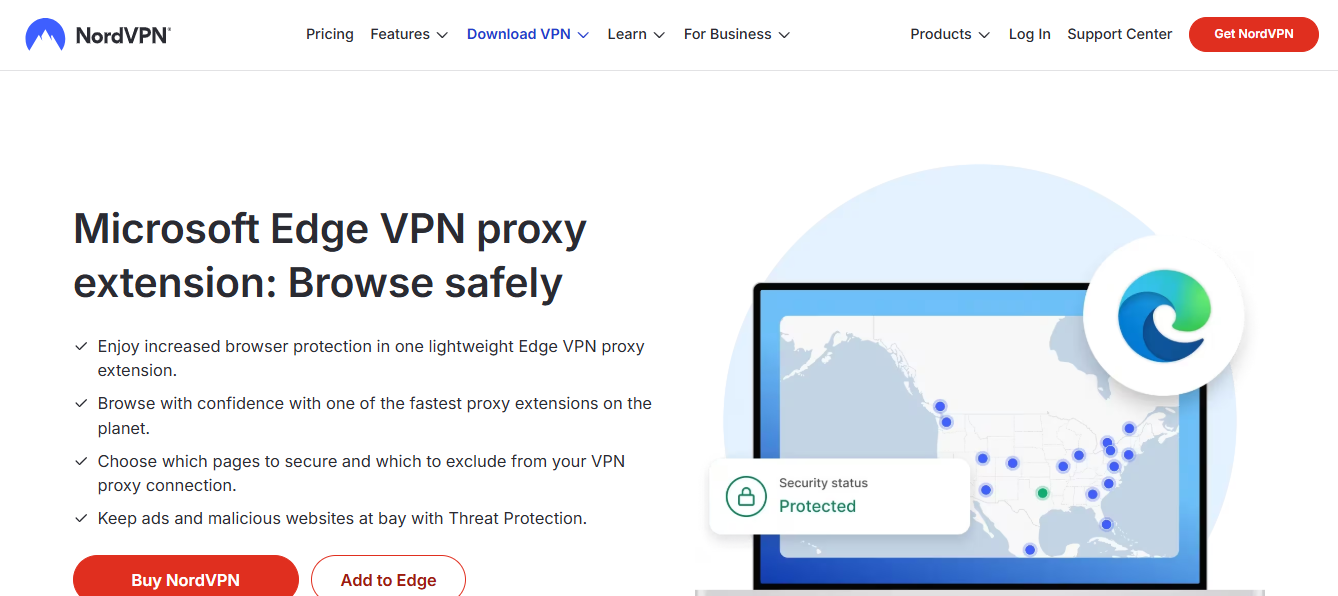
Yes, you can use Free browser vpn edge by adding free VPN extensions to the Edge browser which is Chromium-based and supports Chrome Web Store extensions, but there are important limits to know. This post will walk you through what “free browser vpn edge” actually means, how Edge handles VPN extensions, the best free options, setup steps, privacy and security considerations, and when it’s worth upgrading to a paid VPN.
What you’ll learn in this guide
- How Edge handles VPN extensions and what “free” really means in this context
- A curated list of free VPN extensions that work with Edge and how to install them
- Step-by-step setup guides for Edge with free VPN extensions
- The trade-offs: speed, data limits, server availability, and privacy
- Tips to maximize safety online when using free VPNs in Edge
- A comparison of free vs paid VPNs and when to upgrade
- Real-world use cases: streaming, gaming, travel, public Wi‑Fi
- Common issues and quick troubleshooting
- A robust FAQ with practical answers and scenarios
- Useful resources and references to deepen your understanding
If you’re more of a hands-on person, here are quick blocks you can skip to directly:
- Quick setup: how to install a free VPN extension in Edge step-by-step
- Edge-specific privacy: how to reduce leaks and protect your data beyond the VPN
- Free vs paid VPN: when it makes sense to upgrade
Useful URLs and Resources text only
- ProtonVPN official site - protonvpn.com
- Windscribe official site - windscribe.com
- TunnelBear official site - tunnelbear.com
- Microsoft Edge support - support.microsoft.com
- Virtual private network – en.wikipedia.org/wiki/Virtual_private_network
- Privacy basics – privacy.microsoft.com
- Edge extensions store – microsoftedge.microsoft.com/addons
- How to disable WebRTC leaks – support.mozilla.org for general guidance, still relevant to browsers
- VPN safety tips – cisco.com public security resources
Body
What "Free browser vpn edge" really means
Free browser vpn edge refers to using Edge’s extension ecosystem to route browser traffic through a VPN service that offers a free tier or free browser extension. There are two common ways this works:
- Free VPN extensions: Browser extensions provided by VPN companies for example, ProtonVPN, Windscribe, TunnelBear that function inside Edge and tunnel browser traffic through a VPN server.
- Free-usage tiers: VPNs that offer limited data per month, limited servers, or restricted features unless you pay for more.
Important note: a browser extension VPN typically secures traffic inside the browser itself, not necessarily all traffic on your computer. If you want system-wide protection including apps outside Edge, you’d need a VPN app installed on your device. Edge-user protection is still valuable for web browsing, public Wi‑Fi safety, and bypassing geo-restrictions for browser content.
How Edge supports VPN extensions
- Edge is built on Chromium, which means you can install extensions from the Chrome Web Store via the Edge Add-ons store or directly from Chrome Web Store Edge requires the “Allow extensions from other stores” option if you’re using the Chrome Web Store.
- Browser extensions for VPNs typically provide a toggle to connect/disconnect, show the current server location, and sometimes offer a built-in kill switch for browser traffic.
- A big advantage: you don’t need to install a full VPN app. you can protect just Edge’s browsing sessions. A drawback: any traffic from other apps on your machine won’t be covered by the Edge extension.
Free VPN options that work with Edge free browser VPN edge
Here are reputable options that offer free browser extensions or free tiers compatible with Edge. Always verify current terms on the provider’s site, as free limits can change.
- ProtonVPN Free
- Pros: No data cap on some plans, strong privacy stance, no ads in the app, good security features.
- Cons: Limited servers on the free plan. speeds may vary. sometimes slower due to free-tier congestion.
- Edge compatibility: ProtonVPN offers a browser extension that can be used in Edge via Chromium-based extension support.
- Windscribe Free
- Pros: Generous monthly data cap usually 10 GB with signup. more with promo, multiple server locations, useful privacy options.
- Cons: Speed can fluctuate. some servers are slower during peak times.
- Edge compatibility: Windscribe has a browser extension compatible with Chromium-based browsers, including Edge.
- TunnelBear Free
- Pros: Very user-friendly. simple to set up. pleasant UI. reliable for light browsing.
- Cons: Low monthly data cap often 500 MB, sometimes more with promos. not ideal for streaming.
- Edge compatibility: TunnelBear offers a browser extension that works in Edge.
- Other considerations
- Some free offerings exist as part of larger bundles or with limited-time trials. Always check current data caps, server lists, and privacy policies. Remember that free extensions may not be as feature-rich as paid plans e.g., kill switches, auto-connect on startup, or broad device coverage.
Note: There are many “free VPNs” out there with questionable privacy practices or aggressive data collection. Stick to well-known providers with transparent privacy policies and independent audits where possible. For sensitive tasks, consider a paid VPN with a solid privacy track record.
How to set up Free VPN extensions in Edge step-by-step
1 Open Microsoft Edge and go to the Extensions menu three dots > Extensions.
2 If you’re using the Edge Add-ons store, search for the VPN extension you want e.g., ProtonVPN, Windscribe, TunnelBear. If you prefer Chrome extensions, enable “Allow extensions from other stores” and visit the Chrome Web Store.
3 Click Add to Edge, then confirm the installation.
4 Sign up or sign in to your chosen VPN service if required some free extensions don’t require an account. others do.
5 In the extension’s pop-up, choose a server location prefer free servers that are not congested for best speeds.
6 Enable the extension’s protection toggle to connect. Some extensions offer a “kill switch” for browser traffic—enable it if available.
7 Optional security steps:
- Ensure the Edge browser’s privacy and security settings are tightened Tracking Prevention to Strict or Balanced, depending on your needs.
- Enable HTTPS-Only Mode in Edge to force secure connections when possible.
8 Test your connection:
- Visit a site like "what is my ip" to confirm your IP address has changed and to confirm you’re browsing from the VPN server’s location.
9 Use in tandem with good security hygiene:
- Avoid entering sensitive data on sites that don’t use HTTPS.
- Regularly update Edge and extensions to patch vulnerabilities.
10 When you’re done, disconnect the VPN extension to resume normal browsing.
Pro tips:
- If you’re on public Wi‑Fi, always enable the VPN extension before you start browsing.
- Check for DNS leaks by visiting a site that tests DNS and ensure it shows the VPN provider’s DNS servers.
Pros and cons of using free VPN extensions in Edge
Pros
- Easy to install and use directly in the browser.
- No need to install a full system-wide VPN app.
- Useful for browsing privacy, bypassing some geo-restrictions on a per-site basis.
- Free data allowances mean you can test the service without paying.
Cons
- Data caps can limit long browsing sessions or streaming.
- Server options may be limited and congested during peak times.
- Potential privacy concerns with lesser-known providers. always read the privacy policy.
- Browser-based protection is not the same as system-wide protection for other apps.
Privacy, security, and reliability considerations
- DNS leaks: Some free VPN extensions may expose DNS requests outside the VPN tunnel. Use a VPN with DNS leak protection and verify via DNS leak tests.
- WebRTC leaks: WebRTC can reveal your real IP address even when using a VPN in a browser. Disable or mitigate WebRTC leaks where possible.
- Kill switch: A browser kill switch ensures that if the VPN disconnects, your browser traffic doesn’t leak IP information. Not all free extensions include a kill switch.
- Logging: Free VPNs may log data for monetization. Favor providers with transparent privacy policies and minimal data retention.
- Browser-only protection: Your non-Edge apps won’t be protected. For full device protection, pair Edge extensions with a paid VPN app or a separate system-wide VPN.
- Security updates: Free extensions can be more prone to security gaps if not actively maintained. Ensure extensions are updated and come from reputable sources.
Edge-specific privacy settings to improve protection
- Tracking prevention: Set to Strict or Balanced in Edge settings Settings > Privacy, search, and services.
- InPrivate browsing: Use InPrivate mode for sensitive browsing tasks. extensions can be managed separately in this mode.
- Password management: Use a separate password manager and enable two-factor authentication on critical accounts.
- DNS preferences: Consider disabling insecure DNS lookups and rely on the VPN’s DNS or a trusted DNS provider when possible.
- Regular reviews: Periodically review installed extensions and remove any you don’t actively use.
Free vs paid VPN: when to upgrade
- If your primary need is casual browsing with occasional privacy checks, free extensions can be enough for light use.
- If you stream high-definition video, play online games with minimal latency, or require comprehensive coverage system-wide VPN, multiple devices, kill switch, no data caps, a paid VPN is worth it.
- Paid VPNs often offer:
- Higher speeds and more server locations
- No data caps or higher monthly limits
- Stronger privacy commitments, audited policies
- System-wide protection across all apps and devices
- Built-in kill switch and DNS leak protection
- A popular option to consider is NordVPN, which frequently runs promotions like 77% off + 3 months free. Remember to compare plans and features to find the best fit for your needs.
Edge-specific use cases and examples
- Travel or geo-restrictions: Access content available only in other countries by routing Edge traffic through servers in those regions.
- Public Wi‑Fi safety: Protects you on coffee shops or airports by encrypting browser traffic in Edge.
- Quick privacy checks: Do a simple privacy check in Edge IP address, location after enabling a VPN extension.
Common pitfalls and how to avoid them
- Relying on a free VPN alone for complete privacy: Free browser extensions protect browser traffic but may not guard other apps or network activities on your device.
- Installing sketchy extensions: Stick to well-known providers with transparent privacy policies. avoid extensions with excessive permissions or poor reputations.
- Misinterpreting “free” data: Free plans often come with caps. don’t expect to stream HBO Max or Netflix reliably on a free tier.
- Assuming Edge-specific VPNs exist: Most good options are browser extensions. Edge doesn’t have a built-in premium VPN in the way some browsers do.
Alternatives to free browser VPNs in Edge
- Paid VPN extensions for Edge: If you want better performance and more features, consider paid Edge-compatible extensions from reputable providers.
- Native app VPNs: Some VPNs offer plug-and-play apps that cover all your device’s traffic, not just the browser.
- Tor browser: For higher privacy in a browser, Tor can be an option, though it’s slower and not suitable for all tasks.
- Privacy hygiene: Use HTTPS everywhere, disable unnecessary browser extensions, and think about device-level security settings.
Practical tips for staying safe with Free browser vpn edge
- Pair with HTTPS-only browsing when possible Edge’s HTTPS-Only mode.
- Regularly update your Edge browser and extensions to patch vulnerabilities.
- Use strong, unique passwords and enable two-factor authentication where possible.
- Be cautious with free VPNs that show aggressive upsell banners or request excessive permissions.
- Test for leaks IP, DNS, WebRTC after enabling a new VPN extension.
Real-world scenarios: what to expect
- Casual browsing and light research: Free VPN extensions provide enough privacy for everyday tasks.
- Social media, streaming previews, lightweight content: Data caps and speeds may be a constraint. you might need to switch servers or upgrade to a paid plan for smooth streaming.
- Public Wi‑Fi at a cafe or coworking space: A free VPN extension can help if you select a nearby server with lower latency.
Quick-start checklist for Free browser vpn edge
- Choose a reputable free VPN extension with a clear privacy policy.
- Install the extension in Edge Edge Add-ons or Chrome Web Store, with appropriate permissions.
- Sign in if required and enable the VPN connection.
- Verify your IP and location changed and run a quick DNS leak check.
- Enable any browser kill switch or leak protection offered by the extension.
- Ensure tracking prevention and HTTPS-Only Mode are configured in Edge.
- Keep the extension updated and periodically review its data policies.
Frequently Asked Questions
# What does "Free browser vpn edge" mean in practice?
Free browser vpn edge means using a free VPN extension within the Edge browser to protect traffic within the browser. It does not necessarily protect other apps on your device, and data caps or server limits may apply.
# Does Edge have a built-in VPN?
Edge does not include a built-in full VPN service. You add VPN protection by installing free or paid VPN extensions from the Edge Add-ons store or Chrome Web Store.
# Can I trust free VPN extensions in Edge?
Trust depends on the provider. Look for transparent privacy policies, independent audits if available, no-logs claims, and a history of responsible data handling. Free extensions with shady permissions should be avoided.
# Do free VPNs slow down my internet?
Yes, free VPNs typically have fewer servers and more users sharing them, which can slow speeds. Expect fluctuations, especially during peak times.
# How much data can I use with a free VPN extension?
Data allowances vary by provider. ProtonVPN Free may have limited data for certain features, Windscribe Free often provides a few extra GB with signup, and TunnelBear Free has a 500 MB monthly cap unless you qualify for more.
# Will a free VPN extension protect me on public Wi‑Fi?
It can improve privacy by encrypting browser traffic, but it won’t protect non-browser apps. A system-wide VPN app paid provides broader protection.
# Should I disable WebRTC in Edge when using a VPN?
WebRTC can leak your real IP address in some configurations. Disabling or mitigating WebRTC leaks helps maintain privacy while using any VPN.
# How do I verify that the VPN is working in Edge?
Visit a site that shows your IP and location e.g., whatismyipaddress.com and confirm the IP location matches the VPN server. You can also test for DNS leaks.
# Is it safe to rely on free VPNs for sensitive tasks?
For highly sensitive tasks banking, confidential work, a paid VPN with strong privacy guarantees is recommended. Free options can be a good temporary or casual solution, but limitations exist.
# Can I use NordVPN with Edge?
Yes. NordVPN offers compatible browser extensions and apps that work with Edge. If you’re already exploring free browser VPNs, this is a strong paid alternative to consider for broader protection and reliability.
# How do I switch from a free Edge VPN extension to a paid plan?
Open the extension or app, look for upgrade options, and choose a plan that fits your usage. Paid plans typically remove data caps, add more servers, and include a kill switch and other advanced privacy features.
# Are there risks installing third-party browser extensions?
Yes. Extensions can access data on the sites you visit and may require permissions that could be abused. Install extensions from reputable providers and review permissions before enabling them.
# Can I use multiple VPN extensions in Edge at once?
Most extensions aren’t designed to stack. Using multiple VPN extensions concurrently can cause conflicts or unpredictable behavior. Pick one trusted extension and disable others.
# What’s the difference between a browser VPN and a full device VPN?
A browser VPN protects traffic within the browser, including Edge, but not other apps. A device-wide VPN routes all network traffic from the device through the VPN server.
# How do I reduce tracking beyond a VPN in Edge?
- Use Edge’s Tracking Prevention settings Strict or Balanced
- Enable HTTPS-Only Mode
- Regularly clear cookies and site data
- Use a privacy-focused search engine
- Disable unnecessary browser telemetry and background scripts when possible
# Are there any free VPNs that never log anything?
All providers have varying logging policies, especially free tiers. Read the privacy policy and look for “no-logs” claims and independent audits where available. Free services often rely on some data collection to support the free tier.
# How can I tell if a free VPN extension is legitimate?
Check for:
- A clear privacy policy and contact information
- Positive user reviews from reputable sources
- Transparent data handling and no hidden data-selling
- Regular updates and active developer support
# Can I use Edge’s built-in security features with a VPN extension?
Yes. Use Edge’s privacy features Tracking Prevention, HTTPS-Only Mode alongside your VPN extension for stronger privacy, but remember that VPNs don’t replace robust device security practices.
# What should I do if my VPN extension stops working in Edge?
- Restart Edge and re-enable the extension
- Check for extension updates or Edge updates
- Try a different server location
- If issues persist, temporarily disable other extensions that might interfere and consult the provider’s help center
# Is streaming with a free VPN extension in Edge reliable?
Free VPNs often struggle with streaming services due to blocking policies and limited servers. If streaming is a priority, a paid VPN with a proven track record for unblocking streaming is usually a better choice.
# How often should I reassess my VPN setup in Edge?
Every 3–6 months, review:
- Privacy policy updates
- Server availability and speeds
- Data caps and feature changes
- Overall performance and security improvements
# Can Edge protect my privacy without a VPN?
Edge provides some privacy features, but a VPN adds encryption for data in transit and can help obscure your IP. For stronger privacy, combine Edge protections with a reputable VPN free or paid and adopt good privacy practices.
Note: This guide emphasizes practical, user-friendly information about using free browser VPN extensions in Microsoft Edge, the trade-offs involved, and when a paid option might be a better fit. If you’re ready to upgrade from free to paid, NordVPN often runs promotions that can be a great value, such as 77% off plus 3 months free, which is highlighted in the introduction’s affiliate block.
牛vpn 全面解析:如何选择、设置与实际应用指南