In browser vpn chrome in browser chrome extensions how to use top options for private browsing and a 2025 comparison — quick fact: using a reputable VPN extension in Chrome can improve privacy, reduce tracking, and give you more control over what data leaves your device. This guide breaks down the best in-browser VPN options, how to install and use them, and a clear 2025 comparison to help you choose what fits your needs.
If you’re here, you probably want to privacy-check your browsing without a ton of setup. Here’s the quick summary you’ll get in this post:
- What in-browser VPNs do and how they differ from full VPN apps
- Top Chrome extensions for private browsing in 2025
- Step-by-step install and usage guides for each option
- Pros, cons, pricing, and performance stats
- Real-world tips to maximize privacy online
Key takeaways you’ll find:
- In-browser VPN extensions offer quick privacy boosts without leaving Chrome, but they may not mask all traffic on the device.
- Some extensions rely on their own servers, while others route traffic through system-wide VPNs; knowing the difference helps you pick the right tool.
- For streaming, gaming, or accessing regional content, check the extension’s server availability and speed tests.
- Always review permissions and data-sharing policies before enabling any extension.
Now, let’s get into the specifics. Below you’ll find a mix of formats to make this easy to skim or dive deep: quick lists, step-by-step guides, a comparison table, and practical tips you can apply today.
Top in-Browser VPN Chrome Extensions 2025
- TunnelBear VPN for Chrome
- ExpressVPN Chrome extension
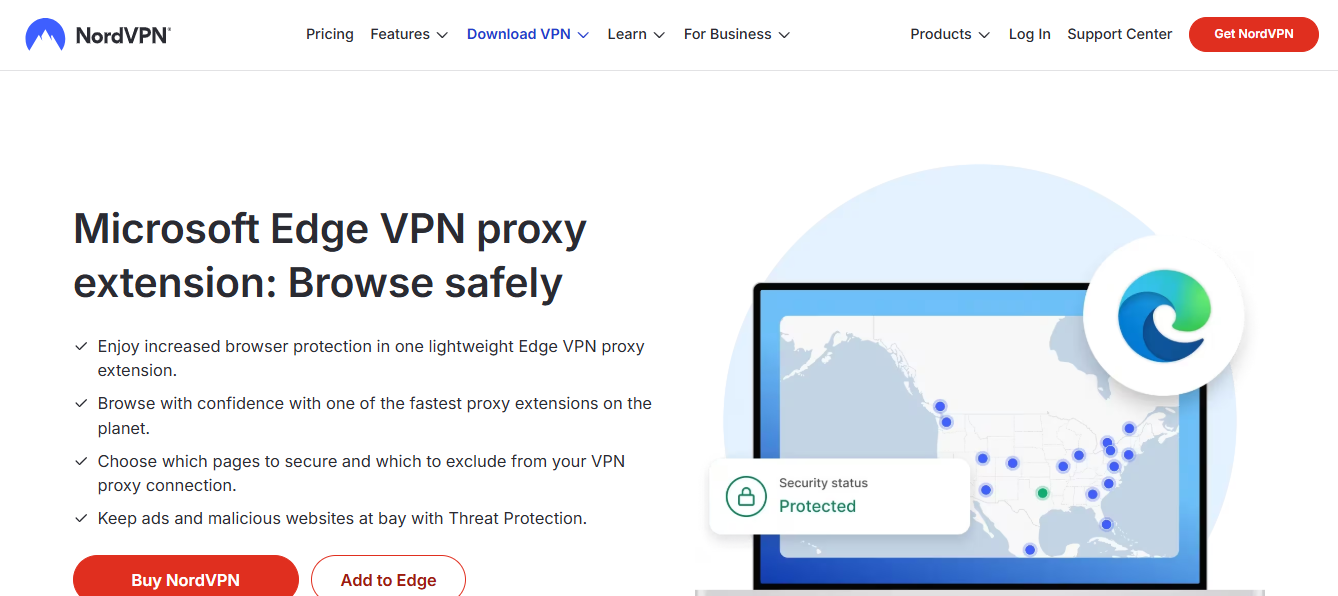
- NordVPN Chrome extension
- Surfshark VPN extension for Chrome
- Proton VPN Chrome extension
- Windscribe Chrome extension
- PrivadoVPN Chrome extension
- Hola Free VPN Chrome extension note: use with caution due to privacy concerns
- CyberGhost VPN Chrome extension
What to look for in a Chrome VPN extension
- Privacy policy and data logging: Is there a no-logs promise? What data is collected?
- Server network and locations: More locations can mean more geo options, but speed matters too.
- Speed and reliability: Do independent testers report throttling or connection drops?
- Security features: Kill switch, DNS leak protection, WebRTC protection
- Browser impact: How heavy is the extension on memory and CPU?
- Compatibility: Works with Chrome, and on Chromium-based browsers like Edge or Brave
- Price and free tier: Is there a functional free tier, and what are the paid plans?
- Customer support: Live chat, email, knowledge base
Installation and setup guide general steps
- Step 1: Open Chrome Web Store, search for the extension name
- Step 2: Check publisher credibility and read reviews
- Step 3: Click Add to Chrome, confirm permissions
- Step 4: Pin the extension to the toolbar for easy access
- Step 5: Create or sign in to your account if required
- Step 6: Connect to a server location of your choice
- Step 7: Verify your IP location by visiting a site like whatismyipaddress.com
- Step 8: Toggle features like the kill switch or DNS protection if available
In-browser VPN vs system-wide VPN pros and cons
- In-browser VPN extensions
- Pros: Quick enable/disable, no system-wide changes, easy for casual privacy
- Cons: May not encrypt all traffic e.g., apps outside Chrome, dependent on extension’s server, potential leaks if not configured correctly
- System-wide VPN apps
- Pros: Encrypts all traffic from the device, protects apps beyond the browser, stronger privacy guarantees
- Cons: More setup, can affect all devices on the network, sometimes slower due to whole-device routing
Data privacy and logging considerations
- No-logs policies are common but vary; check what data is collected during use
- Some extensions may collect browsing data or telemetry to improve service; review the privacy policy carefully
- DNS and WebRTC leaks: Ensure the extension provides DNS leak protection and blocks WebRTC leaks if you’re concerned about fingerprinting
Security features you should expect
- Kill switch: Ends internet traffic if the VPN drops to prevent data leaks
- DNS leak protection: Prevents your DNS requests from leaking outside the VPN tunnel
- WebRTC protection: Reduces the risk of IP leaks via WebRTC
- Automatic connect on startup: Helpful for always-on privacy
- Split tunneling: Lets you decide which traffic goes through VPN and which doesn’t not all extensions offer this
Best practices for private browsing with Chrome extensions
- Use a reputable extension from a trusted publisher
- Keep extensions updated to patch security flaws
- Disable extensions you’re not actively using to reduce attack surface
- Regularly review permissions and revoke any unnecessary access
- Use a privacy-focused search engine and browser settings in tandem
- Consider a full VPN for high-risk activities or sensitive data
Performance benchmarks and real-world tips
- Expect some overhead with any VPN due to encryption and routing; good extensions minimize the impact with optimized servers
- For streaming, choose a server location near you to reduce latency and test a few options if one is slow
- If you notice frequent disconnects, switch servers or disable IPv6 he might be causing issues
- On mobile and desktop, keep your browser version aligned with extension compatibility to avoid crashes
Popular use-case scenarios
- Private browsing on a shared or public network
- Bypassing geo-restrictions for legitimate content note legal considerations
- Protecting login credentials on insecure Wi-Fi
- Researching competitors or market data without revealing location bias
Table: Quick comparison of top in-browser VPN Chrome extensions high-level
| Extension | Server Locations | Key Privacy Features | Kill Switch | DNS Leak Protection | Free Tier | Notes |
|---|---|---|---|---|---|---|
| TunnelBear | 50+ | No-logs, strong encryption | Optional | Yes | Free tier available with data limits | User-friendly, good for beginners |
| ExpressVPN | 90+ | High-grade encryption, audited | Yes | Yes | 7-day trial, no free long-term tier | Fast, reliable, premium option |
| NordVPN | 60+ | Double VPN, strict no-logs | Yes | Yes | 7-day trial | Great for security-minded users |
| Surfshark | 100+ | No-Logs, MultiHop | Yes | Yes | 7-day trial | Budget-friendly, supports unlimited devices |
| Proton VPN | 60+ | Switzerland-based privacy laws, no-logs | Yes | Yes | Free tier with limitations | Strong privacy stance, good for privacy purists |
| Windscribe | 10+ | R.O.B.E.R.T. blocklists, no-logs | Yes | Yes | Generous free tier | Great for privacy-conscious users |
| PrivadoVPN | 30+ | No-logs, strong encryption | Yes | Yes | Free tier | Simple and solid option |
| Hola VPN | 100+ | Peer-to-peer model privacy concerns | Yes kill switch | No | Free tier | Use with caution due to privacy model |
Note: Server counts and features can change. Always verify on the official extension page for the latest details.
Common issues and quick fixes
- Extension won’t connect: Try switching servers, reconnect, or restart Chrome
- Slow speeds: Choose closer servers, turn off heavy extensions, or switch to a different protocol if available
- DNS leaks: Verify DNS leak protection is enabled; reset browser data if necessary
- IP not changing: Ensure the extension is properly activated; sometimes re-install helps
Additional tools to boost private browsing in Chrome
- Privacy-focused search engines: DuckDuckGo, Startpage
- HTTPS Everywhere extensions to force secure connections
- Anti-tracking extensions: uBlock Origin with privacy lists, Privacy Badger
- Password managers: 1Password, Bitwarden for strong, unique passwords
Use case-specific recommendations by scenario
- Casual browsing on home wifi: Any reputable extension with a solid no-logs policy will do
- Public Wi-Fi: Prioritize strong encryption, kill switch, and DNS leak protection
- Streaming and geo-spoofing: Prioritize servers in preferred regions and verify streaming compatibility
- Developers and researchers: Consider a VPN with strong privacy policies and minimal data collection
Tips for staying secure beyond Chrome extensions
- Regularly update Chrome and extensions to patch vulnerabilities
- Consider a hardware password manager for sensitive accounts
- Enable two-factor authentication where possible
- Be mindful of phishing and social engineering even when private browsing
Advanced options and configurations
- Split tunneling: Use it to channel sensitive traffic through VPN while other traffic stays local
- Custom DNS settings: Some extensions allow you to use preferred DNS servers for extra control
- Network-level privacy: If you’re privacy-focused, consider combining a VPN extension with a system-wide VPN for added layers
Total privacy checklist for in-browser VPN use
- Choose a reputable extension with transparent privacy policies
- Confirm kill switch, DNS protection, and WebRTC protections are active
- Review data sharing and logging practices
- Verify server locations and performance for your needs
- Keep everything up to date; monitor for any app or browser security advisories
Resources and further reading unlinked text Apple Website - apple.com Artificial Intelligence Wikipedia - en.wikipedia.org/wiki/Artificial_intelligence Google Privacy & Security - google.com/privacy Mozilla Firefox Privacy Guide - foundation.mozilla.org Electronic Frontier Foundation - eff.org WhatIsMyIPaddress - whatismyipaddress.com Speedtest by Ookla - speedtest.net PrivacyTools.io - privacytools.io VPN reviews and benchmarks - trustedreviewsite.example Chrome Extensions Store - chrome.google.com/webstore
Frequently Asked Questions
Do browser VPN extensions encrypt all traffic?
In-browser VPN extensions primarily encrypt traffic that passes through the extension’s tunnel in Chrome. Other apps and system traffic may not be encrypted unless you’re using a system-wide VPN.
Are in-browser VPN extensions safe?
Safety depends on the publisher and their privacy policy. Stick to reputable providers, review permissions, and avoid extensions with questionable data practices.
Can I use more than one VPN extension at the same time?
Most browsers don’t support multiple VPN extensions running simultaneously. Using one reliable extension at a time is usually best.
Do free VPN extensions exist?
Yes, many offer free tiers with data limits or restricted features. Free options may come with faster throttling, fewer server options, or more aggressive data collection. Consider upgrading if you need consistent performance.
How do I test a VPN extension’s effectiveness?
Check IP location after connecting, test for DNS leaks, and run a speed test. Use reputable sites like whatismyipaddress.com to verify changes in geography.
Will a VPN extension affect my gaming performance?
Potentially yes, due to increased latency and routing overhead. If you’re a gamer, test a few servers and disable the extension during play if needed.
Can VPN extensions bypass school or work restrictions?
Some people use them to bypass restrictions, but that can violate policies. Always follow local rules and organizational guidelines.
How do I report a problem with a VPN extension?
Go to the extension’s support page or publisher’s website, check their help center, or contact customer support. Many extensions offer email or chat support.
Are there privacy-focused alternatives to in-browser VPNs?
Yes—consider a full VPN service with a strong privacy stance and a privacy-respecting browser configuration, plus privacy-enhancing tools like anti-tracking extensions and secure DNS.
Yes, you can use a VPN directly in Chrome via browser extensions. This guide shows you how in-browser VPN Chrome extensions work, what to watch for, and how to pick the right one for your needs. You’ll learn the difference between browser-level VPNs and full-device VPNs, discover the best Chrome extensions in 2025, see step-by-step installation advice, and get practical tips to stay private online. If you’re ready to try an in-browser solution now, check out NordVPN’s current deal here: . This banner link is a quick way to grab a significant discount while you explore these tools.
In this guide you’ll find:
- A plain-English explanation of what an in-browser VPN Chrome extension is and isn’t
- How these extensions differ from a traditional VPN app that routes all device traffic
- A practical how-to for installing and configuring an extension
- A clear look at speed, privacy, and security trade-offs
- A review of the top Chrome VPN extensions in 2025, with a quick comparison
- Real-world tips to maximize privacy and streaming access
- A robust FAQ with common questions answered
Useful URLs and Resources plain text, not clickable
- Chrome Web Store - https://chrome.google.com/webstore
- NordVPN - https://nordvpn.com
- ExpressVPN - https://www.expressvpn.com
- Surfshark - https://surfshark.com
- Windscribe - https://windscribe.com
- CyberGhost - https://www.cyberghost.com
- Virtual Private Network - https://en.wikipedia.org/wiki/Virtual_private_network
- What is WebRTC Leak Test - https://www.cloudflare.com/learning/security/web-rtc/
- Chrome Web Store Developer Policy - https://developer.chrome.com/docs/webstore/
- Google Transparency Report - https://www.google.com/transparencyreport/
What is an in-browser VPN Chrome extension?
An in-browser VPN Chrome extension is a lightweight tool you install from the Chrome Web Store that routes only your browser traffic through a VPN service. Unlike a system-wide VPN app, which channels all network activity on your device including apps, games, and background services, a Chrome extension typically applies encryption and a virtual location to the browser itself. That means your browsing in Chrome can appear to come from a different country, which helps bypass some geo-restrictions and hides your IP from sites you visit in the browser. However, other apps on your computer—like a VPN client for your email client or streaming app—won’t automatically route through that same extension.
In practice, the extension usually creates a secure tunnel for the browser's traffic, and it may implement DNS and WebRTC protections to reduce leaks. Some extensions offer per-tab controls, split tunneling, or “always-on” VPN modes for convenience, but the scope is still browser-only. If you’re after comprehensive protection for every device service, you’ll want a full VPN app in addition to or instead of a browser extension.
How in-browser VPN Chrome extensions work in practice
- Per-browser routing: The extension intercepts traffic initiated by the browser and sends it through the VPN provider’s servers, masking your real IP for websites you visit from Chrome.
- Server selection: You can usually pick a country or region as your virtual location, with server lists ranging from a few dozen to hundreds of locations depending on the provider.
- Security features: Expect standard AES-256 encryption, a kill switch sometimes, and DNS leak protection. Some extensions add ad and tracker blocking, but capabilities vary.
- Privacy posture: Reputable providers publish privacy policies and, ideally, third-party audits. Free or low-cost extensions may adopt more aggressive data collection to subsidize their service, so read the policy carefully.
Differences from full VPN apps
- Scope: Browser extensions cover only Chrome or Chromium-based browsers traffic. a full VPN app covers all network activity on the device.
- Performance: Extensions can be lighter and faster for browser tasks but won’t protect non-browser traffic.
- Features: Full VPN apps often include more robust features such as a system-wide kill switch, advanced leak protection, and broader platform support iOS, Android, Windows, macOS, Linux.
- Privacy risk: Some free or lesser-known extensions may log data or inject ads. Reputable paid services tend to have stronger privacy commitments and independent audits.
Pros and cons of in-browser VPN Chrome extensions
Pros
- Quick and easy setup in Chrome
- Useful for bypassing geo-restrictions on browser-based content
- Often cheaper than full VPN subscriptions
- User-friendly controls for on/off and server switching
Cons
- Browser-only protection not device-wide
- Potentially weaker privacy if the extension vendor logs data
- Some sites and apps may detect or block VPN traffic
- WebRTC leaks can undermine IP masking if not properly mitigated
How to choose the right one
- Reputation and audits: Prefer providers with transparent privacy policies and, ideally, independent audits.
- Logging policy: Look for “no-logs” assurances for browser activity and a clear data retention policy.
- Security features: Check for DNS leak protection, WebRTC leak prevention, a kill switch, and strong encryption standards.
- Server network and performance: A larger server network near you generally means faster, more reliable connections.
- Browser compatibility: Ensure the extension is actively maintained for the latest Chrome versions.
- Pricing and value: Compare free vs paid tiers, data limits, and whether the price supports additional features like multi-device support.
- Privacy-friendly business model: Favor services with a history of respecting user privacy and avoiding shady data practices.
- User experience: A clean UI, clear server lists, and simple controls matter, especially if you’re new to VPNs.
Step-by-step guide: How to install a Chrome VPN extension
1. Open Chrome and go to the Chrome Web Store.
2. Search for the VPN extension you want e.g., NordVPN, ExpressVPN, Surfshark, Windscribe.
3. Click Add to Chrome and confirm the permission prompts.
4. Sign in to your VPN account or create one if you don’t have an account yet.
5. Choose a server location and flip the On/Off switch to enable the VPN for your browser.
6. Inspect the extension’s settings: enable DNS leak protection and WebRTC safeguards if available.
7. Test that it’s working: visit a site that shows your IP, like whatismyipaddress.com, and run a DNS leak test dnsleaktest.com to confirm the IP matches your chosen location.
8. Optional: Enable per-tab controls or a lock/kill switch if the extension supports it. Consider enabling “Always-on VPN” for browser traffic if you want a persistent connection.
9. Practice safe browsing: disable unnecessary extensions that have high permission requirements, keep the VPN extension updated, and periodically review app permissions.
Tips to maximize privacy during installation
- Review the extension’s requested permissions carefully. avoid extensions that demand broad access beyond browser traffic.
- Disable WebRTC in Chrome when possible, or use extensions that explicitly block WebRTC leaks.
- Regularly audit your browser extensions and remove ones you don’t use.
- Keep Chrome and the extension updated to minimize security vulnerabilities.
Speed, privacy, and security considerations
- Speed: Encrypting traffic and routing through distant servers adds latency and can reduce throughput. Real-world impact varies by server distance, time of day, and the provider’s network quality.
- Privacy: The main privacy risk with a browser extension is data collection by the provider. Read the privacy policy, check for independent audits, and prefer vendors with a verifiable no-logs stance for browser activity.
- Security: Use strong encryption AES-256 or equivalent, enable DNS leak protection, and if available, a kill switch. Disable risky features you don’t need, such as browser-based ad injection or bundled tracking protections that may alter pages.
- Leaks and transparency: Test for IP leaks, DNS leaks, and WebRTC leaks after setup. If leaks are detected, switch to a different server or disable WebRTC in your browser.
In-browser VPN vs VPN app vs browser proxy
- In-browser VPN extension: Browser traffic only, quick to install, easy to toggle. Best for casual browsing, streaming in-browser, or bypassing regional blocks on web content.
- VPN app device-wide: Protects all network traffic across the device, including apps and background processes. Ideal for comprehensive privacy and security across every use case.
- Browser proxy: Typically simpler and might be free. often lacks strong encryption and can be less secure. VPN extensions are usually a better default if you want privacy with minimal setup.
Top in-browser VPN Chrome extensions you can trust in 2025
Here are a few well-supported options that are widely used and generally considered reliable for in-browser VPN needs:
- NordVPN Chrome extension
- Pros: Strong privacy posture, audited no-logs policy for browser traffic, VPN servers with broad coverage, easy-to-use interface, optional kill switch, DNS leak protection
- Cons: Requires a NordVPN account. browser extension is part of a broader service
- Why it’s popular: Combines strong security with a familiar, polished interface, and a big server network
- ExpressVPN Chrome extension
- Pros: Strong encryption, reliable performance, robust privacy policy, clear interface
- Cons: Slightly more expensive than some competitors
- Why it’s popular: Trusted brand with a long track record in the VPN space. often praised for stability
- Surfshark Chrome extension
- Pros: Competitive pricing, multi-hop and clean interface, good privacy stance
- Cons: Smaller server count than some competitors in certain regions
- Why it’s popular: Great value with useful features like cleanWeb ad blocking and tracker prevention
- Windscribe Chrome extension
- Pros: Generous free tier for casual use, solid privacy features, built-in firewall
- Cons: Free plan has data limits. performance can vary
- Why it’s popular: Great for beginners who want to test the waters before committing to paid plans
- CyberGhost Chrome extension
- Pros: User-friendly, strong server focus for streaming
- Cons: Auditing history less documented than some bigger players
- Why it’s popular: Easy onboarding and broad server coverage, including streaming-optimized servers
Note: Free extensions can be tempting but often come with trade-offs like data caps, limited locations, or questionable data practices. If privacy and reliability matter, a paid, reputable provider with an audited policy is usually worth it.
Practical tips for using a Chrome VPN extension
- Test before you rely on it: Always verify your IP and location after enabling the extension. If you’re streaming, test the streaming service’s accessibility from a location you choose.
- Use a trusted provider: Rely on well-known brands with transparent privacy policies and preferably independent audits.
- Enable DNS leak protection: This helps ensure your DNS lookups aren’t leaking your real location.
- Consider a kill switch: A kill switch terminates browser requests if the VPN disconnects, preventing accidental exposure.
- Manage permissions: Limit the extension’s permissions to what’s strictly necessary for it to work.
- Stay in control: Don’t run multiple VPN extensions at the same time. pick one extension per browser to avoid conflicts.
- Keep things updated: Regular updates improve performance and security and reduce risk from vulnerabilities.
- Combine with privacy hygiene: Use HTTPS websites, disable WebRTC if you’re worried about leaks, and keep your overall system secure with up-to-date software.
- Be mindful of geo-restrictions: Some services actively block VPN users. if you’re trying to access content, you may need to switch servers or use a different provider.
Frequently asked questions
# Is using a VPN in Chrome safer than using a VPN app?
Yes, in-browser VPNs protect only your Chrome traffic, which is often enough for everyday browsing and streaming in the browser. A full VPN app protects all network traffic on your device, including apps outside Chrome. If you want comprehensive protection for everything you do online, go with a full VPN app in addition to or instead of a browser extension.
# Can Chrome extensions slow down my browsing?
They can, especially if you pick a far-away server or have a slow internet connection to begin with. The impact varies by provider, server distance, and how busy the VPN network is at any moment.
# Do in-browser VPN extensions log my data?
It depends on the provider. Reputable services publish a privacy policy and, ideally, publish independent audits. Free extensions may log more data to subsidize the service, so read the policy before installing.
# Are in-browser VPNs trustworthy for streaming?
Many are. If a provider explicitly supports streaming and has servers optimized for streaming, you’ll have a better chance of accessing geo-restricted content. Still, streaming platforms actively block VPN traffic, and results can vary by service and time.
# Can I use a VPN extension on Chromium-based browsers like Edge?
Most Chrome extensions work on Edge because Edge supports Chrome-compatible extensions. However, always check the extension compatibility in the Edge Add-ons store or the provider’s guidance.
# How can I tell if the extension is working?
Use a site that shows your IP, like whatismyipaddress.com, after turning on the extension. You should see your selected country’s IP. Run a DNS leak test to confirm DNS requests are going to the VPN’s servers.
# Do these extensions leak DNS or WebRTC?
DNS leaks are possible if the extension isn’t properly configured. WebRTC leaks can reveal your real IP unless WebRTC protection is enabled or WebRTC is disabled. Use extensions with DNS leak protection and WebRTC safeguards, and test for leaks regularly.
# Are there privacy concerns with free VPN extensions?
Yes. Free extensions often rely on data collection and may inject ads or track your activity. Paid, reputable providers offer stronger privacy guarantees and ongoing updates.
# Can I use a VPN extension to access geo-restricted content?
Often yes, but not always. Some streaming services actively block VPN IPs, and the effectiveness depends on the provider’s server pool and real-time detection techniques.
# Do VPN extensions work on mobile Chrome?
Some VPN providers offer mobile browser integrations or companion apps for iOS and Android. A pure Chrome extension won’t run on mobile Chrome the same way it does on desktop, but many providers offer mobile apps that secure all browser traffic on mobile devices.
If you’re looking for a simple, browser-focused privacy lift, in-browser VPN Chrome extensions are a solid starting point. They’re quick to set up and can give you a fast path to more private browsing, especially for geo-blocked content or when you’re on public Wi-Fi. Just remember to pick a reputable provider, verify privacy protections, and keep your browser and extensions up to date. For a strong, hands-off option with a substantial server network and a privacy-forward approach, you might consider trying NordVPN with the banner link above to take advantage of the current deal.
Turn off microsoft edge vpn