Does edge come with a vpn and how to use a vpn with microsoft edge for private browsing speed and security? Here’s a practical, plain‑spoken guide to get you protected, faster, and more private when you browse on Microsoft Edge. Quick summary: Edge doesn’t include a built‑in VPN by default, but you can use a VPN extension or a standalone VPN app to cover Edge traffic, plus Edge’s privacy features to boost your security. Below you’ll find a step‑by‑step approach, practical tips, and real‑world examples you can apply today.
Introduction: quick facts and what you’ll learn
- A VPN is not built into Edge, but you can easily add one to protect Edge traffic.
- You have two main options: install a VPN extension in Edge or run a system‑level VPN app that your browser traffic uses automatically.
- Using a VPN with Edge can improve privacy, bypass geo‑restrictions, and protect on public Wi‑Fi—but it might affect browsing speed depending on server location and VPN quality.
- This guide covers setup, comparisons, best practices, and troubleshooting so you can pick the right method for your needs.
What you’ll get in this guide:
- Clear steps to enable a VPN with Edge
- Pros and cons of Edge VPN extensions vs. system VPN apps
- Real‑world scenarios showing when to use a VPN
- Privacy and security settings in Edge to maximize protection
- A practical FAQ with at least 10 questions to help you troubleshoot
Useful resources text only Apple Website - apple.com, Artificial Intelligence Wikipedia - en.wikipedia.org/wiki/Artificial_intelligence, Microsoft Edge support - support.microsoft.com, VPN comparison sites - examplevpn.com, PrivacyTools.io - preciosprivacy.tools, ISP privacy policies - your ISP’s site, Public Wi‑Fi security tips - cisoa.gov
- VPN basics: Edge, extensions, and system VPNs
- Edge vs extensions: Edge can use VPNs in two main ways. You can install a VPN extension from the Edge Add-ons store, or you can install a full VPN app on your computer that routes all traffic including Edge through a VPN server.
- What’s faster: Extensions can be convenient and quick if the VPN service supports browser‑level routing. System VPN apps can provide broader protection for all apps but may require more setup and could introduce more latency depending on server load.
- What’s more private: A system VPN generally hides all your traffic from your network and ISP, while a browser extension may only shield traffic going through Edge. If you’re on a shared machine, a system VPN is usually the simpler privacy choice.
- Step‑by‑step: using a VPN extension in Microsoft Edge
- Step 1: Choose a reputable VPN provider with an Edge extension. Look for privacy‑centric providers with no‑logs policies, strong encryption AES‑256, and a transparent jurisdiction.
- Step 2: Install the Edge extension. Open Edge, go to the Edge Add-ons store, search for the VPN extension, and click Add to Edge.
- Step 3: Sign in and grant permissions. After installation, open the extension, sign in with your account, and allow it to create a secure tunnel.
- Step 4: Connect to a server. Pick a server location close to you for speed or a country you want to appear from for bypassing geo‑restrictions. Confirm the connection is established often a green/active indicator.
- Step 5: Verify your connection. Visit a site like whatismyipaddress.com to confirm your IP address changed and shows the VPN’s location.
- Step 6: Test for leaks. Check WebRTC IP leaks via trusted sites to ensure your real IP isn’t leaking through VPN bypasses.
- Step 7: Additional Edge settings. In Edge, you can enable “Do Not Track,” block third‑party cookies, and use InPrivate browsing in combination with your VPN for extra privacy.
- Pros: Easy to enable, browser‑specific routing, quick server switching.
- Cons: Not all data from other apps on your device is protected, and some extensions can slow down Edge.
- Step‑by‑step: using a system VPN app with Edge
- Step 1: Pick a reputable VPN provider with solid performance and apps for your OS Windows, macOS, Android, iOS. Ensure it supports OpenVPN, WireGuard, or equivalent protocols.
- Step 2: Install the VPN app on your device. Run the installer, sign in, and follow setup prompts.
- Step 3: Choose a server. As with extensions, proximity improves speed; choose a server location based on your needs speed versus geo access.
- Step 4: Connect and verify. Once connected, confirm your IP address and test for DNS or WebRTC leaks.
- Step 5: Edge usage. Open Edge and browse as usual. If you’re using a full‑device VPN, Edge traffic is automatically protected; if you use split tunneling, only Edge traffic may be routed through the VPN.
- Pros: Protects all apps, better for privacy beyond the browser, stable performance with well‑tuned servers.
- Cons: In some cases, system VPNs can slow down more, setup is slightly more involved, potential for app conflicts with other security tools.
- Edge privacy and security settings to complement a VPN
- SmartScreen filter: Keep Microsoft Defender SmartScreen enabled to block malicious sites and downloads.
- Tracking prevention: Use Edge’s Tracking Prevention Balanced or Strict to reduce cross‑site tracking while maintaining usable browsing.
- Clearing cookies and site data: Regularly clear cookies for sites you don’t trust or after a public session.
- Password manager and security: Use a reputable password manager and enable two‑factor authentication where available.
- InPrivate browsing: Use InPrivate mode for sensitive sessions, especially when combined with a VPN.
- DNS over HTTPS DoH: Enable DoH in Edge to encrypt DNS requests in transit when supported by your environment.
- Extensions: Be selective with extensions; only install trusted VPN extensions from the provider and disable other unnecessary extensions that could steal data.
- Real‑world scenarios: when to use a VPN with Edge
- Public Wi‑Fi safety: If you’re at a cafe, airport, or hotel, a VPN reduces the risk of eavesdropping on your traffic.
- Bypassing geo restrictions: Access content that’s restricted to certain regions by connecting to a server in that region.
- Avoiding ISP throttling: Some ISPs throttle streaming or gaming; a VPN can sometimes help by hiding traffic type from the ISP.
- Corporate or school networks: In some cases, a VPN helps you access resources securely, but check policy before using it in managed networks.
- Privacy from advertisers: A VPN can reduce cross‑site tracking by masking your IP, though it’s not a silver bullet for online profiling.
- Speed and performance: what to expect
- Server location matters: Closer servers usually mean lower latency and faster speeds.
- VPN protocol choice: WireGuard generally offers a good balance of speed and security; OpenVPN is robust but may be slower in some conditions.
- Server load: If many users are on a single server, speeds drop. Pick lower load times or rotate servers.
- Device performance: On older hardware, encryption overhead can affect speed. Ensure your device isn’t overloaded with other tasks.
- Test regularly: Do speed tests with and without the VPN to understand the impact and pick the best server for your tasks.
- Security considerations and best practices
- Use strong encryption and a reputable VPN provider. Look for AES‑256 encryption and a strict no‑logs policy.
- Regularly update Edge and your VPN app/extension to patch security vulnerabilities.
- Be aware of phishing and malware: VPNs don’t protect you from dangerous sites; use Safe Browsing, SmartScreen, and cautious browsing habits.
- Use a kill switch feature: If your VPN offers a kill switch, enable it to block traffic if the VPN drops, preventing data leaks.
- DNS leak tests: Regularly verify DNS requests are leaking outside the VPN tunnel; if so, adjust settings or switch servers.
- Comparison: Edge extension VPN vs system VPN app
- Edge Extension VPN
- Pros: Quick to install, easy per‑browser control, fast server switching.
- Cons: Only protects Edge traffic not other apps, extensions can be less transparent about data handling.
- Edge Extension VPN
- Pros: Protects all traffic on the device, consistent protection across apps, better privacy for non‑browser activity.
- Cons: Setup can be more involved, potential for systemwide slowdowns, may require subscription.
- Troubleshooting common issues
- VPN not connecting: Check your internet connection, verify login credentials, try a different server, restart the app.
- Slow speeds: Switch to a closer server, try a different protocol like WireGuard, close bandwidth‑heavy apps, check for VPN server maintenance.
- IP leak detected: Run a DNS leak test, enable the VPN’s kill switch, ensure WebRTC is disabled in Edge if needed.
- WebRTC leaks in Edge: Disable WebRTC in Edge via flags or extensions if you’re concerned about leaks.
- Edge not routing through VPN: Ensure the VPN app is running before you open Edge, or enable the extension properly. If you’re using a system VPN, ensure there’s no split tunneling misconfiguration.
- Practical tips for maximizing privacy with Edge
- Combine Edge’s privacy features with a VPN for layered protection: Do Not Track, Tracking Prevention, and InPrivate browsing when you want extra privacy.
- Create a dedicated profile for sensitive work: Use a separate Edge profile; enable Edge Sync only for non‑sensitive data if you’re worried about data leakage across devices.
- Regularly audit extensions: Remove any extensions you don’t use, especially those that require broad permissions.
- Monitor data usage: Some VPNs publish data about server load and speed; use that information to choose the best server.
- Back up recovery codes: If you enable 2FA on your VPN account, store recovery codes securely.
- Quick configuration checklist
- Decide between Edge extension or system VPN app based on needs.
- Install and configure VPN with strong encryption and privacy policies.
- Connect to a server aligned with your goal speed vs. access.
- Verify IP address and run leak tests.
- Apply Edge privacy settings: SmartScreen, Tracking Prevention, DoH if supported.
- Enable kill switch if available.
- Test speed and adjust server as needed.
- Case study: four common user profiles
- Student using campus network: Use a VPN extension for quick access to content libraries and protect browsing on shared machines. Enable Do Not Track and InPrivate when needed.
- Remote worker on public Wi‑Fi: Use a system VPN app with a kill switch enabled for all device traffic; low‑latency server in your country for fast work calls.
- Streaming enthusiast: Connect to a nearby server via a VPN extension; test streaming performance and switch servers if buffering occurs. Keep Do Not Track on for privacy.
- Privacy‑minded researcher: Use a system VPN and Edge’s privacy features to minimize tracking. Consider a separate Edge profile for sensitive searches and enable DoH.
FAQs
Frequently Asked Questions
Is edge included with a built‑in VPN?
Edge does not come with a built‑in VPN. You can add a VPN via an extension or use a system VPN app to protect your browsing.
Can I use a VPN for only Edge traffic?
Yes. By using a VPN extension that routes Edge traffic or configuring a per‑app VPN if your OS supports it, you can isolate protection to Edge. For full device protection, use a system VPN app.
Will a VPN slow down my Edge browsing?
It can. Speed changes depend on server distance, server load, and the VPN protocol. Closer servers and lightweight protocols usually help.
How do I test if my VPN is working with Edge?
Visit whatismyipaddress.com to confirm your IP shows the VPN location. Run a WebRTC leak test to ensure your real IP isn’t leaking.
Should I use a VPN on public Wi‑Fi?
Yes. Public Wi‑Fi networks are more vulnerable to eavesdropping, so a VPN adds a layer of protection for Edge traffic. Does microsoft edge come with a vpn and how to use a vpn with Microsoft Edge for privacy, security, and streaming 2026
Is WebRTC a risk with a VPN?
WebRTC can leak your real IP in some configurations. Disable WebRTC in Edge or use a VPN with a built‑in WebRTC leak protection.
What’s better for privacy: Edge extension or system VPN?
For total privacy across apps, a system VPN is generally better. If you only need browser privacy and speed, a browser extension is quicker and simpler.
Can I run multiple VPNs at once with Edge?
Running more than one VPN at the same time isn’t recommended and can cause conflicts. Choose either an extension or a system VPN app, not both.
How do I enable DoH in Edge?
Edge supports DNS over HTTPS in settings under Privacy, search, and services. Turn on DoH with a supported provider and follow on‑screen prompts.
How often should I update my VPN and Edge?
Keep both Edge and your VPN app/extension updated to protect against new vulnerabilities and to access the latest features. Disable vpn edge: how to turn off VPN on Edge browser and device-wide, with step-by-step guides, tips, and troubleshooting 2026
What about geoblocked content? Will a VPN help?
It can. Connect to a server in the location where the content is available, then test access. Some services actively block VPN traffic; you may need to switch servers.
Are VPNs legal everywhere?
VPN legality varies by country. In most places, using a reputable VPN for privacy and security is legal, but always check local laws and service terms.
How do I choose a good VPN provider for Edge?
Look for a proven no‑logs policy, strong encryption AES‑256, a transparent privacy stance, fast and stable servers, and good customer support. Also check Edge extension compatibility and device support.
Can I use a free VPN with Edge?
Free VPNs exist but often come with limits on data, speed, and server availability. They may log data or inject ads. For consistent privacy and performance, a paid, reputable provider is usually worth it.
If you want, I can tailor this content to a specific VPN provider you’re considering or expand any section with more practical steps or screenshots. Disable always on vpn: how to disable Always On VPN on Windows 10/11 and switch to a standard VPN setup 2026
No, Edge does not come with a built-in VPN. If you want to keep Edge traffic private, you’ll need to use a separate VPN solution either on your device or as a browser extension that works inside Edge. This guide breaks down exactly how to secure your Edge browsing, compares browser-based VPNs vs system-wide VPNs, and gives practical, step-by-step instructions you can follow today. For a quick, reliable option that works with Edge, consider NordVPN — 77% OFF + 3 MONTHS FREE.
Useful resources you can check later text-only URLs:
- Microsoft Edge support: support.microsoft.com
- NordVPN: nordvpn.com
- ExpressVPN: expressvpn.com
- Surfshark: surfshark.com
- Wikipedia VPN: en.wikipedia.org/wiki/Virtual_private_network
Introduction: quick overview and what you’ll learn
- Does Edge have a built-in VPN? No. Edge does not include a native VPN feature, but you can secure Edge traffic with a few solid approaches.
- Three practical ways to use a VPN with Edge:
- Install a system-wide VPN app on your device Windows, macOS, Android, iOS so all traffic, including Edge, is protected.
- Use a VPN-compatible browser extension that runs inside Edge to route only browser traffic.
- Use a proxy-based or VPN-like setup inside Edge less common for full-system privacy, but useful in some scenarios.
- How to pick the right VPN for Edge: speed, privacy policy, kill switch, DNS leak protection, IPv6 handling, device compatibility, and server network matter a lot.
- Edge privacy tips: pairing Edge’s built-in privacy controls tracking prevention, SmartScreen with a VPN gives you layered protection.
- Performance expectations: VPNs typically reduce raw speed by a small to moderate amount depending on server distance, protocol, and encryption, but a good VPN can minimize impact with optimized servers and protocols.
- What to avoid: relying on free VPNs they often log data, throttle speeds, or show ads and ignoring DNS or WebRTC leaks that can expose you even when using a VPN.
- Quick-start checklist: pick a plan, install the app or extension, configure kill switch and DNS leak protection, test your IP, and verify no leaks.
Video-posting tip: if you want a fast way to secure Edge now, try a reputable VPN service that offers Edge-compatible extensions or system-wide apps. The NordVPN deal shown above is a solid starting point for most users, especially if you’re streaming or handling sensitive data.
Body
Does Edge have a built-in VPN? What Edge actually offers instead
- Edge does not come with an internal VPN. It includes privacy-focused features such as tracking prevention, SmartScreen, and password health checks, but none of these encrypts all traffic like a VPN does.
- What Edge can do well is support privacy practices alongside a VPN. You can run a VPN on your device to ensure all apps including Edge are protected, or you can install a browser extension that redirects only Edge traffic through a VPN proxy.
- The difference between “browser VPN” and “system-wide VPN” matters. A browser VPN extension usually routes traffic through a proxy server for the browser alone, which can be faster and adequate for bypassing geo-restrictions in some cases, but it won’t protect other apps or system services. A system-wide VPN encrypts all network traffic from your device, which is generally better for comprehensive privacy and security.
Three practical ways to use a VPN with Edge
# 1 Install a system-wide VPN app Windows/macOS/iOS/Android
- How it works: You install a VPN app on your device, sign in, and connect to a server. All traffic from Edge and every other app goes through the VPN tunnel.
- Why pick this method: It provides full-device protection, keeps DNS and IP changes consistent across apps, and is usually simplest for Windows and macOS users.
- Quick-start steps:
- Download a reputable VPN app for example, NordVPN, ExpressVPN, Surfshark.
- Install and sign in.
- Choose a server close by for speed, or a specific country for streaming.
- Turn on the VPN and verify your IP changed use a site like whatsmyip.org.
- Edge-specific considerations: Some VPN apps offer browser-level settings, but most users don’t need to customize Edge separately. once the system-wide VPN is on, Edge traffic is automatically protected.
- Pros: Strong privacy protection, killswitch, DNS leak protection, supports IPv6 handling depending on the provider.
- Cons: Potential speed reduction depending on server load and distance.
# 2 Use an Edge-compatible browser extension
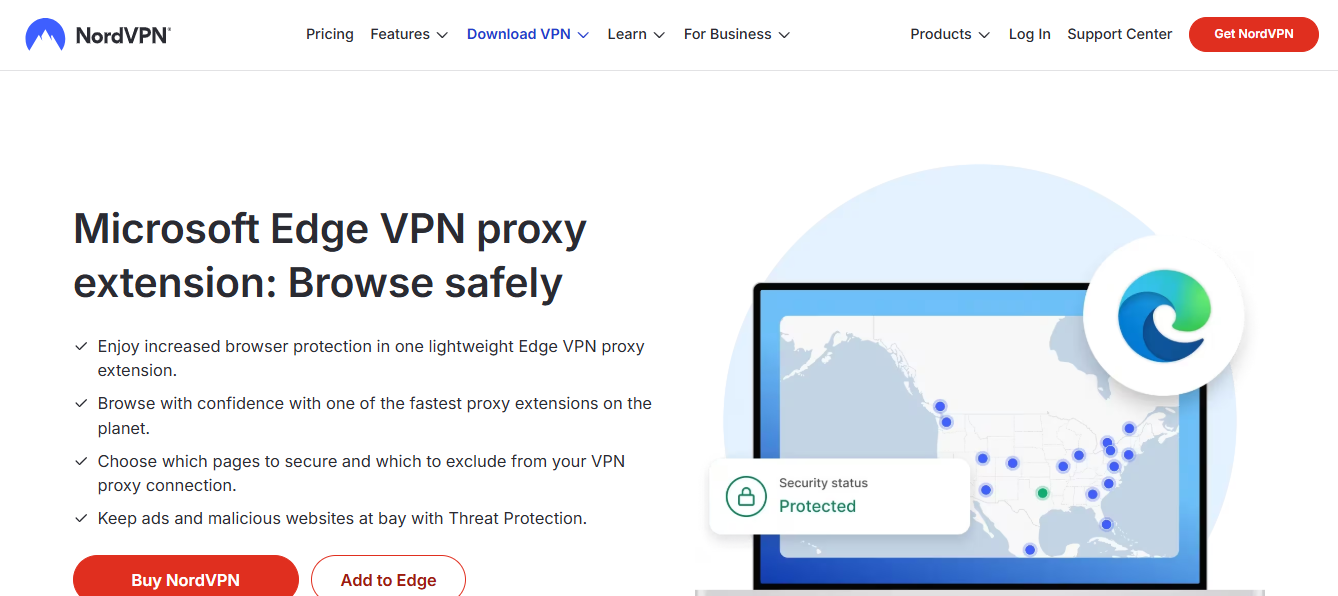
- How it works: You install a VPN extension from the Edge Add-ons store or the Chrome Web Store Edge supports both. The extension acts as a proxy for your Edge browser traffic.
- Why pick this method: It’s quick to set up, can be lighter on device resources, and is great if you only want to secure your browser traffic.
- Open Edge and go to Edge Add-ons or Chrome Web Store Edge supports most Chrome extensions.
- Install a VPN extension e.g., NordVPN’s Edge extension, ExpressVPN extension, or Surfshark extension.
- Log in if required and enable the VPN in the extension.
- Confirm your browser IP changes again, test with a site like whatsmyip.org.
- Important caveats:
- This protects only Edge traffic, not other apps on your computer.
- Some VPN extensions function as proxies and may not include a full kill switch, DNS leak protection, or IPv6 handling—check the extension features.
- Pros: Fast to set up, easy per-browser control, can be used on machines where you can’t install system-wide apps.
- Cons: Potentially weaker security than a full VPN app, possible DNS leaks if the extension isn’t well designed.
# 3 Use a VPN-like proxy or Edge’s proxy settings less common
- How it works: You configure a manual proxy HTTP/HTTPS or SOCKS in Edge’s settings or use a proxy extension. This routes Edge traffic through a proxy server rather than an encrypted VPN tunnel.
- Why pick this method: Useful in restricted environments where installing software isn’t allowed, or when you only need to access content from a specific region.
- Get the proxy server address and port from your VPN provider or a trusted proxy service.
- In Edge, go to Settings > System > Open your computer’s proxy settings, and enter the proxy details, or use a dedicated proxy extension.
- Check for leaks: remember a proxy does not encrypt traffic like a VPN, so sensitive data can still be exposed if you aren’t using HTTPS on the site.
- Pros: Quick, sometimes free options. no software installation required.
- Cons: No encryption by default. weaker privacy and security. may trigger some website blocks or CAPTCHAs.
Choosing the right VPN for Edge: what to look for
- Privacy policy and logging: Prefer VPNs with a strict no-logs policy and transparent audits.
- Kill switch: Stops all traffic if the VPN drops, preventing accidental exposure.
- DNS leak protection: Prevents your real DNS from leaking while the VPN is active.
- IPv6 handling: Ensure the VPN can block IPv6 leaks or provides IPv6 traffic management if you use IPv6 on your network.
- Speed and server network: A larger network with optimized routing reduces latency and speeds up streaming or gaming.
- VPN protocol: OpenVPN, WireGuard preferred for speed and modern security, or IKEv2. WireGuard tends to offer a good balance of speed and security.
- Platform support: Windows, macOS, Android, iOS, and ideally browser extensions for Edge if you plan to use Edge-specific VPN features.
- Bundle with Edge privacy features: Some providers include ad/m tracker blocking or anti-malware features that complement Edge’s built-in protections.
- Price and trials: Look for a reputable provider that offers a money-back guarantee so you can test Edge compatibility risk-free.
- Real-world data: Real users often report better experiences with providers that optimize servers near their location, and those with robust customer support.
Edge privacy tips and best practices
- Combine Edge’s tracking prevention with a VPN for layered privacy. Edge’s Tracking Prevention TP has levels: Basic, Balanced, and Strict. If your goal is privacy, keep TP engaged and use a VPN to anonymize your IP address.
- Use Secure DNS: Some VPNs route DNS requests through the VPN tunnel, which helps prevent DNS leaks. If your VPN doesn’t do this, enable DNS leak protection in the client settings.
- IPv6 awareness: If your VPN doesn’t fully support IPv6, disable IPv6 on your device or ensure your VPN handles IPv6 traffic to avoid leaks.
- Kill switch enabled: Always turn on the VPN kill switch if available. this prevents data leakage if the VPN connection drops.
- Regular tests: After connecting, check your IP address, DNS, and WebRTC leakage using reputable test sites to confirm everything is secure.
VPNs vs Smart DNS vs Tor for Edge
- VPN: Encrypts and routes all traffic through a VPN server. provides privacy, security, and sometimes access to geo-restricted content.
- Smart DNS: Masks geolocation for streaming services without encrypting data. faster for streaming but less privacy and no protection against eavesdropping.
- Tor: Routes traffic through a volunteer network to anonymize it. very slow for everyday use and not ideal for streaming or gaming.
- For Edge users who want privacy and decent speeds, a reliable VPN is usually the best balance. If you only need to access region-locked video catalogs, a Smart DNS approach can work alongside a VPN for best results.
Testing and troubleshooting your Edge VPN setup
- IP check: After you connect, visit a site like whatismyipaddress.com to confirm your location appears as the VPN server location.
- DNS check: Use a DNS leak test dnsleaktest.com to ensure your DNS queries are not leaking to your ISP.
- WebRTC check: WebRTC leaks can reveal your real IP even behind a VPN. Use a WebRTC test to confirm it’s not leaking.
- Kill switch test: Disconnect the VPN abruptly and check if your real IP becomes visible on any site.
- Edge-specific tests: Open Edge and browse content from the country you’ve selected to see if geo-restrictions are bypassed as expected.
- Common issues: VPN not connecting, slow speeds, DNS leaks, or Edge extensions conflicting with VPN. If you hit a snag, try a different server, switch protocols WireGuard vs OpenVPN, disable other extensions temporarily, or contact support.
Edge on different platforms: Windows, macOS, Android, iOS
- Windows: Most popular VPNs offer native Windows apps with kill switches and DNS protection. Edge benefits from system-wide VPN protection, but you can also add Edge-specific extensions.
- macOS: Similar to Windows, with the added possibility of using macOS’s built-in VPN feature for simple setups. For advanced features, use a dedicated VPN app.
- Android and iOS: VPN apps exist in their respective app stores. Mobile VPNs are particularly helpful if you switch networks frequently or rely on public Wi-Fi.
- Edge synchronization: If you’re signed into Edge with a Microsoft account, your extension and extension settings can sync across devices where you’re logged in, providing a consistent VPN experience across your devices.
Data privacy, security, and the real-world impact
- VPN adoption is growing. Recent market research suggests a significant and rising share of internet users rely on VPNs to safeguard privacy, avoid profiling, and access region-restricted content.
- Speed vs. privacy trade-off: Expect some speed loss due to encryption and routing. High-quality VPNs optimize servers to minimize the impact, but you should pick servers near your location for best performance.
- Trust and policy matters: Choose providers with robust privacy policies, independent audits, and transparent ownership. Reading user reviews about speed, reliability, and support quality helps manage expectations.
Practical use-cases: what to choose for different needs
- Streaming from abroad: A system-wide VPN with servers in the target country + an Edge extension for extra routing if needed.
- Remote work and secure browsing: A system-wide VPN with a kill switch, plus Edge’s tracking prevention for extra privacy.
- Public Wi-Fi protection: System-wide VPN on mobile devices gives you consistent protection across apps, including Edge.
- General privacy-conscious browsing: Combine Edge’s privacy features with a reputable VPN for a strong privacy posture.
Quick-start checklist for getting started with Edge and a VPN
- Decide between system-wide VPN vs Edge extension based on your needs.
- Choose a reputable provider with a strict no-logs policy, strong encryption, and a kill switch.
- Install the VPN app or extension on your device.
- Connect to a server near you to optimize speed.
- Test IP, DNS, and WebRTC leaks to ensure protection is active.
- Enable kill switch and DNS leak protection in the VPN settings.
- Keep Edge privacy features enabled for layered protection.
Frequently asked topics in one place we’ll cover more in the FAQ below
Frequently Asked Questions
# Is Edge compatible with VPN extensions?
Yes. Edge supports many VPN extensions from the Chrome Web Store and Edge Add-ons. These extensions can route browser traffic through a VPN proxy, but for full-device protection a system-wide VPN is often preferable.
# Does Windows include a built-in VPN?
Windows has built-in VPN capabilities, but it doesn’t come with a ready-to-use VPN service by default. You can configure a VPN connection in Windows to work with any VPN service you subscribe to.
# Should I use a free VPN with Edge?
Free VPNs exist, but they often come with restrictions like limited data, slower speeds, weaker privacy, and potential data logging. A paid VPN with a solid privacy policy is generally a safer choice for Edge browsing.
# Will using a VPN slow down Edge browsing?
It can, because your traffic is traveling further and being encrypted. A high-quality VPN with fast servers and modern protocols like WireGuard minimizes speed loss. Expect some impact, but it shouldn’t ruin everyday browsing.
# What’s the difference between a VPN and a proxy for Edge?
A VPN encrypts all traffic from your device, routing everything through a secure tunnel. A proxy typically handles only browser traffic and may not encrypt data. For robust privacy and security, a VPN is the better option.
# How can I verify that my VPN is protecting Edge traffic?
Check your IP address and location on a site like whatismyipaddress.com after you connect. Also run DNS leak and WebRTC leak tests to confirm there are no leaks.
# Can I use Edge with torrenting via a VPN?
Yes, but you should use a trusted VPN provider that allows BitTorrent traffic and offers secure servers optimized for P2P. Always check the provider’s policy and local laws.
# Is Edge tracking protection enough without a VPN?
Edge TP helps reduce tracking, but it doesn’t hide your IP or encrypt traffic. A VPN adds a separate layer of privacy and security by masking your IP and encrypting data.
# Do VPNs protect against malware in Edge?
VPNs primarily protect privacy and data in transit, not malware. Use Edge’s SmartScreen and a reputable antivirus solution in tandem with a VPN for best protection.
# Can I use a VPN on mobile devices to protect Edge?
Absolutely. VPN apps for iOS and Android protect Edge traffic on mobile just like they do on desktop, and many providers offer cross-platform syncing so you can maintain privacy across devices.
# What should I do if Edge won’t connect with my VPN?
Try a different server, switch to a different protocol if the app supports it, disable other extensions that might conflict, or reinstall the app. If problems persist, contact your VPN’s support team.
# Is Edge’s built-in privacy better with a VPN, or is a browser extension enough?
For most users, a system-wide VPN in combination with Edge’s privacy features gives the best coverage. Browser extensions are convenient for quick, targeted actions, but they don’t protect non-Edge apps.
# How do I choose between Edge extension VPNs and a system-wide VPN?
If you only browse in Edge and want fast setup, an extension might be enough. If you value comprehensive protection for all apps and devices, a system-wide VPN is the safer bet.
Remember, Edge doesn’t come with a built-in VPN, but you can achieve strong privacy and secure browsing by using a system-wide VPN, an Edge-compatible browser extension, or a VPN-like proxy depending on your needs. Start with a trusted provider, enable essential protections like a kill switch and DNS leak protection, and verify your connection with simple tests. If you’re aiming for a polished, fast, and private Edge experience, a reputable VPN plus Edge’s own privacy controls gives you a balanced, practical approach.
Tunnelbear vpn chrome extension: complete guide to setup, usage, security, and tips for Chrome users in 2025