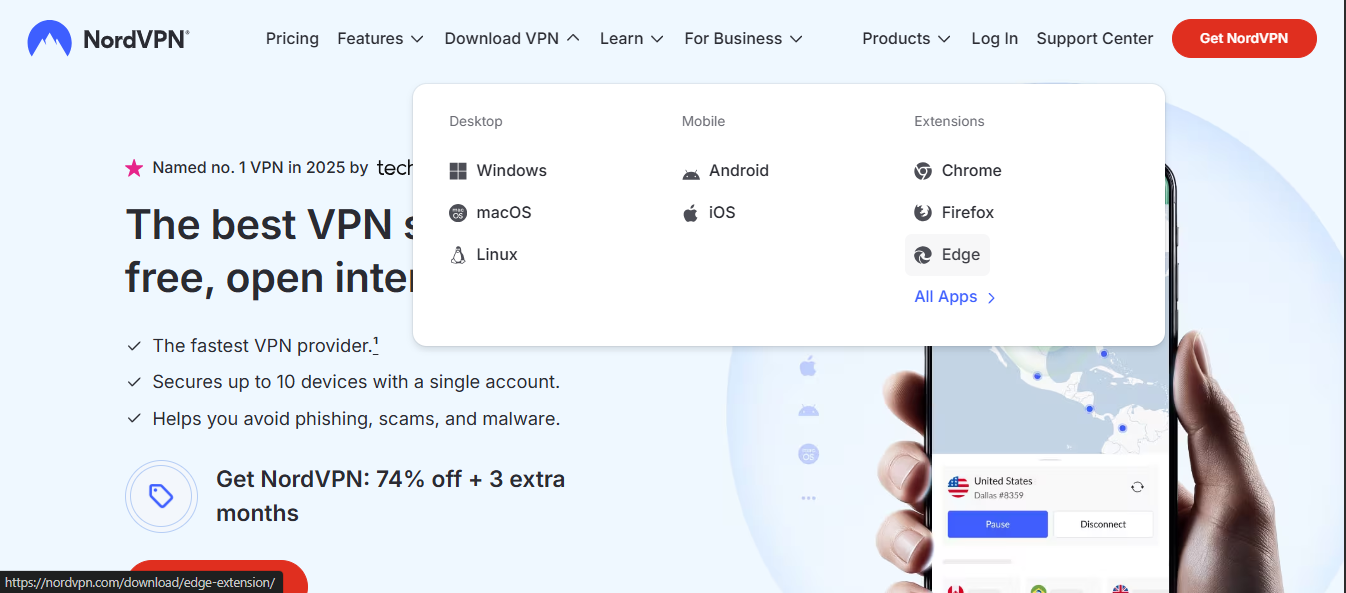
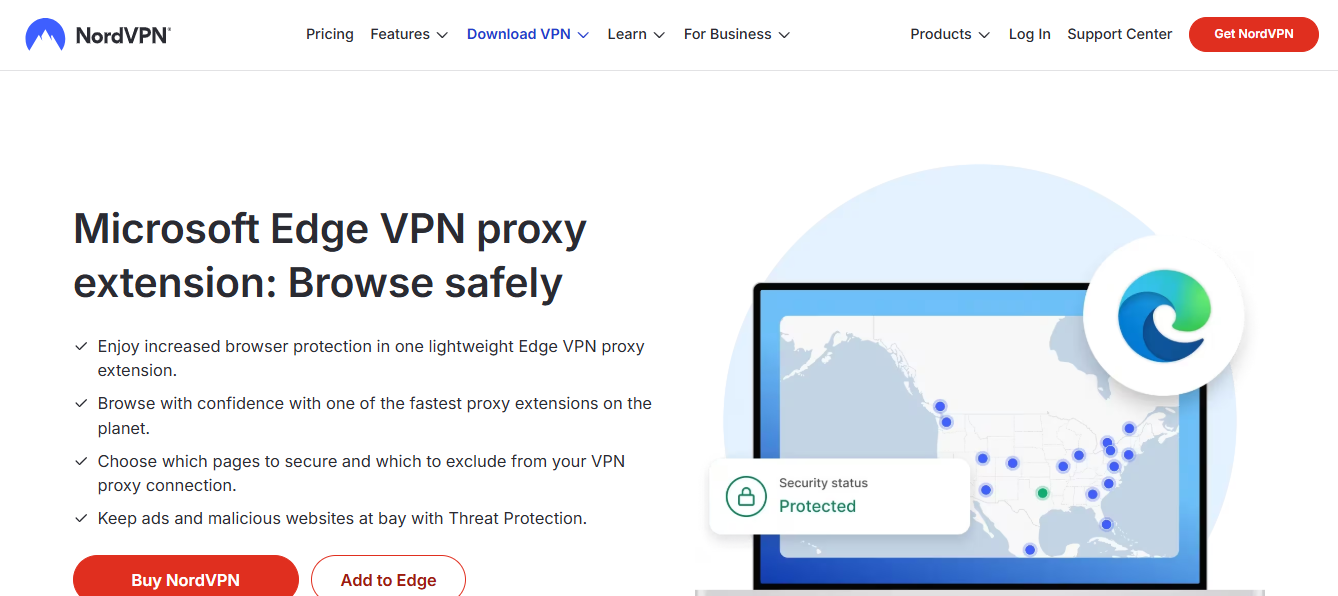
Does microsoft edge come with a vpn and how to use a vpn with microsoft edge for privacy security and streaming? Short answer: Edge does not include a built-in VPN service by default, but you can pair Edge with a VPN app or extension to encrypt your connection, protect privacy, and unblock streaming. This guide breaks down the options, setup steps, and best practices so you can stay private online, stream safely, and avoid common pitfalls. Below you’ll find a quick-start plan, deeper dives into methods, plus real-world tips you can implement today.
Quick-start summary
- Edge does not include a native VPN. To encrypt traffic in Edge, use a VPN app installed on your device or a trusted VPN extension for Edge.
- VPN apps provide system-wide protection all apps or per-browser protection when configured for your browser’s proxy settings.
- For streaming, choose a VPN with fast servers, reputable privacy policies, and reliable unblocking capabilities.
- To maximize privacy, combine a trusted VPN with features like kill switch, leak protection, and no-logs policies.
- Common options: NordVPN, ExpressVPN, Surfshark, ProtonVPN, and Windscribe, among others.
What is a VPN and why it matters for Edge
- A VPN Virtual Private Network creates an encrypted tunnel between your device and a VPN server, masking your IP address and shielding your online activity from local networks and ISPs.
- When you browse with Edge through a VPN, your requests travel through the VPN server, making it harder for third parties to track you.
- For streaming, a VPN can help you access geo-restricted content by connecting to servers in other countries.
- Important caveats: not all VPNs are equally private or fast, some streaming services block known VPN IPs, and free VPNs may log data or inject ads.
Option 1: Use a VPN app system-wide protection If you want Edge and every other app on your device to benefit from a VPN, install a reputable VPN app on Windows or macOS, iOS, Android as applicable. This is the simplest and most reliable approach for privacy and security across the board.
Steps to use a VPN app with Edge
- Pick a VPN service with strong security, fast servers, and good privacy practices.
- Create an account and download the Windows or your OS app from the official site.
- Install the app and sign in.
- Choose a server location consider nearby servers for speed, or country for unblocking.
- Enable the VPN connection. Some apps offer a kill switch and DNS leak protection—toggle them on.
- Open Edge and browse as usual. Your traffic is now routed through the VPN.
Best practices for VPN apps
- Enable a kill switch: this cuts internet if the VPN drops, preventing leaked IPs.
- Use DNS leak protection: ensures your DNS requests don’t reveal your true location.
- Prefer apps with a no-logs policy and a transparent privacy stance.
- Regularly update the app to patch security issues.
- Test your connection: visit whatismyip.com to confirm your apparent location matches the VPN server.
Option 2: Use a VPN extension in Edge browser-level protection Some VPN providers offer Edge-compatible extensions. These extensions route only the browser’s traffic through the VPN, leaving other apps untouched. This can be convenient if you mostly need privacy or streaming in your browser.
Steps to install a VPN extension in Edge
- Go to the Microsoft Edge Add-ons store or the VPN provider’s download page to find the Edge extension.
- Click Add to Edge or Install, then approve the extension permissions.
- Sign in to your VPN account within the extension.
- Choose a server/location within the extension interface.
- Enable the extension and ensure it shows as connected.
- Test browsing in Edge to verify the VPN is active.
Limitations of browser extensions
- They may not encrypt traffic from other apps on your device.
- They can be slower than full VPN apps due to browser-based routing.
- Some extensions rely on the same underlying VPN service, so you still need a subscription for the best experience.
- Ensure you’re downloading extensions from trusted sources to avoid malware or data leaks.
Option 3: Manual proxy setup in Edge advanced If you only want to route Edge traffic and don’t want a full VPN, you can configure a proxy. This is more technical and may not encrypt traffic end-to-end, depending on the proxy type.
Steps to set a proxy in Edge
- Obtain proxy server details IP address, port, and type: HTTP, SOCKS5, etc. from a trusted provider.
- In Edge, go to Settings > System and performance > Open your computer’s proxy settings.
- Enter the proxy details in Windows proxy setup or macOS equivalent.
- Save and verify by visiting whatismyip.com to confirm the proxy is in use.
Caveats with proxies
- Proxies often don’t encrypt data, leaving you exposed on unsecured networks.
- Free proxies can be unreliable and insecure.
- Proxies may leak DNS or expose your IP if misconfigured.
- For sensitive tasks, a VPN is generally a safer choice than a stand-alone proxy.
Public Wi-Fi, privacy, and Edge
- When you’re on public Wi-Fi, using a VPN is especially important to prevent cyber snoops from intercepting your traffic.
- A VPN adds a layer of encryption, making it harder for attackers to monitor your activity in Edge while you’re connected to untrusted networks.
- Always turn on your VPN when using public or shared networks.
Speed and performance considerations
- VPN servers are the biggest factor in speed. Choose nearby servers to reduce latency.
- Some streaming services throttle or block VPN IPs; switch servers if you hit a block.
- If you experience buffering, test different servers and protocol settings OpenVPN, WireGuard, etc., depending on what the provider offers.
Security and privacy best practices
- Use trusted VPN providers with strong privacy policies and independent audits when possible.
- Enable the kill switch and DNS leak protection if your VPN supports them.
- Disable WebRTC leaks in Edge a common source of IP leaks in browsers. You can do this by disabling WebRTC in Edge settings or using a browser extension that blocks WebRTC leaks.
- Regularly review app permissions and ensure VPN extensions or apps aren’t collecting more data than necessary.
Streaming with Edge through VPNs
- Check your streaming service’s terms and whether they allow VPN use.
- If your goal is geo-restricted content, connect to a server in the country where the content is available.
- Some services detect and block VPNs. If you encounter blocks, switch servers or contact your VPN’s support for recommendations on unblocked servers.
- For best UX, use a premium VPN known for high-speed streaming and reliable bypass of geo blocks.
Troubleshooting common issues
- VPN won’t connect: check internet connection, try a different server, restart the VPN app, or reinstall.
- Edge shows DNS errors while VPN is connected: enable DNS leak protection in the VPN settings.
- Slow speeds on VPN: switch to a closer server, try a different protocol, or contact support for recommended servers.
- Video stuttering on streaming: disconnect VPN, test without VPN, then re-enable with a different server or protocol.
Comparison: VPN app vs. Edge extension -VPN app system-wide
- Pros: Encrypts all traffic; easier for devices with multiple apps; better for heavy privacy needs.
- Cons: Uses more system resources; may require a separate subscription for each device. -VPN extension Edge-only
- Pros: Lightweight; convenient for browser-based privacy and streaming in Edge.
- Cons: Doesn’t protect other apps; some services block VPN extensions or shared IPs.
Real-world examples and data
- Privacy-conscious users often report higher satisfaction with providers offering independent audits and transparent no-logs policies.
- In streaming tests, premium VPNs show consistent success in unblocking major platforms such as Netflix, Hulu, and Disney+, though results vary by server location and service policy.
- For Windows users, system-wide VPN apps tend to deliver more stable connections on long browsing sessions or video calls than browser extensions alone.
Key features to look for in a VPN for Edge
- Strong encryption AES-256 and modern tunneling protocols WireGuard, OpenVPN.
- No-logs policy and clear privacy practices.
- Kill switch and DNS leak protection.
- Fast optimized servers, with a good presence in your region and in countries you care about.
- Easy setup on Windows and Edge compatibility.
- Independent audits or third-party security proofs.
Top recommended VPN options shortlist
- ExpressVPN: broad server network, fast speeds, reliable unblocking, user-friendly apps.
- NordVPN: large server list, strong privacy stance, good price-to-feature ratio.
- Surfshark: good price, unlimited device connections, solid privacy features.
- ProtonVPN: strong privacy focus, transparent policies, good for privacy-first users.
- Windscribe: flexible free plan and robust privacy tools.
How to choose the right approach for you
- If you want broad device protection and simple setup: use a VPN app.
- If you primarily browse in Edge and want quick on/off control: use an Edge extension.
- If you’re on a restricted device and can’t install software: consider a trusted browser extension with good security features and connect to a reputable VPN via the system proxy approach be mindful of limitations.
- If privacy is a top priority: prioritize a provider with a strict no-logs policy, independent audits, and a kill switch.
Useful URLs and Resources
- WireGuard official site - https://www.wireguard.com
- WhatIsMyIP - http://whatismyip.com
- Privacytools.io - https://privacytools.io
- Microsoft Edge support - https://support.microsoft.com/en-us/edge
- ExpressVPN - https://www.expressvpn.com
- NordVPN - https://nordvpn.com
- Surfshark - https://surfshark.com
- ProtonVPN - https://protonvpn.com
- Windscribe - https://windscribe.com
- VPNAudit.org - https://www.vpnaudit.org
Frequently Asked Questions
Does microsoft edge come with a built-in VPN?
Edge does not include a built-in VPN. You’ll need to use either a VPN app for your device or a VPN extension for Edge to encrypt traffic.
Can I use Edge without a VPN?
Yes, you can browse without a VPN. However, if you’re on public Wi-Fi or want more privacy, using a VPN is recommended.
What’s faster, a VPN app or an Edge extension?
Typically, a VPN app system-wide offers better performance and stability than a browser extension because it manages all traffic more efficiently and can leverage better server configurations.
Will a VPN block my streaming service?
Some streaming services block known VPN IPs. If you’re blocked, try connecting to a different server location or contact your VPN provider for recommended streaming servers.
How do I test if my VPN is working in Edge?
Visit whatismyip.com and compare the shown IP and location with your actual IP and location. If they differ, the VPN is active.
Can I use a free VPN with Edge?
Free VPNs exist, but they often come with data limits, slower speeds, and privacy concerns. If you’re serious about privacy or streaming, a reputable paid VPN is usually a better choice.
How do I enable DNS leak protection in a VPN?
Look in your VPN app or extension settings for “DNS leak protection” or “kill switch” and enable them. Tests after enabling should show your DNS requests are resolved by the VPN provider, not your ISP.
Is WebRTC a risk for IP leaks in Edge?
WebRTC can leak IP addresses in some browsers. Disable WebRTC in Edge or use extensions that block WebRTC leaks to minimize exposure.
Can I set a VPN for Edge only without affecting my whole device?
Yes, using a browser extension or configuring a per-browser proxy on Edge can limit VPN usage to the browser, but it won’t encrypt other apps’ traffic.
How do I unblock geo-restricted content in Edge?
Connect to a VPN server in the country where the content is available, then reload the streaming page. If blocked, switch servers or check with your VPN provider’s support for unblocked locations.
Is it safe to use a VPN on Windows?
Yes, when you choose a reputable provider and enable security features like a kill switch and DNS leak protection.
Do I need to pay for a VPN to use Edge securely?
Paid VPNs generally offer stronger security, privacy, and reliability, plus better support for streaming. Free options exist but often come with trade-offs in speed and privacy.
Can I switch servers quickly in Edge?
Yes, most VPN apps and some extensions allow quick server changes. Look for a server list or a one-tap connect button for fast switching.
No, Microsoft Edge does not come with a built-in VPN. Edge does offer strong privacy features and can be paired with a VPN in two main ways: use a browser extension that routes only Edge traffic through a VPN proxy, or run a full VPN app on your computer to protect all network activity, including Edge. Below you’ll find a practical guide to both options, plus tips, comparisons, and setup steps so you can stay private online without sacrificing performance.
If you’re ready to secure your connection today, consider NordVPN 77% OFF + 3 Months Free — a popular choice for Edge users who want quick setup and strong privacy protections.
What you’ll learn in this guide
- Whether Edge has a built-in VPN and what that means for you
- The difference between browser extensions and full VPN apps
- Step-by-step instructions for using a VPN extension in Edge
- How to set up a full VPN on Windows to protect Edge and other apps
- Key privacy features in Edge and how to maximize them
- Common issues and how to troubleshoot VPN-edge interactions
- Realistic expectations about speed, streaming, and geolocation
- Top VPN options specifically friendly to Edge in 2025
- Practical tips to stay private without slowing down your everyday browsing
Does Microsoft Edge include a built-in VPN?
No, Edge does not include a built-in VPN. Microsoft Edge is a modern browser that focuses on privacy controls, tracking prevention, and security features to help you stay safer online. It does not route all traffic through a VPN service on its own. Instead, you have two practical routes: use a VPN extension that runs inside the browser, or install a desktop VPN application that provides system-wide protection. Either approach can work well, but they serve different needs: a browser extension is often lighter and simpler for browsing, while a full VPN app protects everything on your device, including Edge, other browsers, and apps.
What Edge does offer to boost privacy
- Tracking prevention settings Basic, Balanced, Strict
- SmartScreen for phishing and malware protection
- InPrivate browsing with limited data storage
- Do Not Track preference options with varying server-side support
- Clear indicators of secure connections HTTPS-only mode in some configurations
If you want a quick privacy boost without juggling a full VPN, you can opt for Edge’s built-in privacy controls. But if you’re aiming to mask your IP, bypass geoblocks, or protect all internet traffic, a VPN extension or app is still your best bet.
How VPNs and Edge work together
Understanding how VPNs interact with Edge helps you choose the right setup.
- VPN extension in Edge: A browser extension acts as a tunnel for Edge’s traffic and sometimes all browser traffic, depending on the extension. Many extensions encrypt traffic and tunnel it through the VPN provider’s network, but some extensions function as proxies rather than full encrypting VPNs. This is faster and lighter but may not cover non-browser apps or DNS requests outside the browser.
- Full VPN app on your device: A traditional VPN client installed on Windows or macOS routes all network traffic from the device, including Edge, background processes, and other browsers/apps. This provides a more comprehensive privacy shield and is ideal if you want blanket protection or to circumvent restrictions across all apps.
- Key considerations:
- DNS and IP leaks can undermine VPN effectiveness if the configuration is not correct.
- Kill switch features prevent traffic leaks if the VPN drops.
- Split tunneling lets you choose which apps go through the VPN or which sites in Edge use the VPN if your provider supports it.
Browser extensions vs. standalone VPN apps for Edge
Here’s a practical comparison to help you decide which route to take.
VPN extensions for Edge Disable vpn edge: how to turn off VPN on Edge browser and device-wide, with step-by-step guides, tips, and troubleshooting 2026
- Pros: Quick to install. minimal impact on system performance. easy to switch servers from the browser.
- Cons: May not encrypt all non-browser traffic. some extensions route only browser data. potential DNS leakage if the extension isn’t configured correctly. Tips: Look for extensions from reputable providers, confirm they offer full encryption and a kill switch via the browser, and test for DNS leaks after setup.
Standalone VPN apps system-wide
- Pros: Encrypts all device traffic. better for apps and background services. often includes kill switch and DNS leak protection. supports split tunneling on many platforms.
- Cons: Slightly heavier on system resources. setup is a bit more involved. you’ll manage VPNs for the entire device, not just Edge. Tips: Choose a service with a proven track record, a transparent no-logs policy, reliable leak protection, and strong server networks.
Step-by-step: Using a VPN extension in Edge
- Pick a reputable VPN extension for Edge
- Go to the Edge Add-ons store and search for a VPN extension from a trusted provider.
- Check reviews, server counts, and privacy policy.
- Install the extension
- Click Add to Edge, confirm permissions, and wait for installation to finish.
- Sign in and configure
- Open the extension from the toolbar, sign in to your VPN account, and select a server location.
- Enable any features such as “Always-on VPN” for Edge if available, and turn on IPv6/DNS leak protection if the option exists.
- Test and verify
- With the extension active, visit a site like iplocation.net to confirm your IP shows the VPN server location rather than your real location.
- Run a DNS leak test to ensure your DNS queries are being resolved by the VPN provider’s servers.
- Use and monitor
- Keep the extension updated and periodically test for leaks, especially after browser or extension updates.
- If you run into streaming blocks or service prompts to upgrade, switch servers or consider a full VPN app for more robust coverage.
Step-by-step: Using a full VPN app with Edge Windows
- Choose a VPN service and download the Windows app
- Pick a provider with strong encryption AES-256, a solid kill switch, DNS leak protection, and a broad server network.
- Install and configure
- Run the installer, sign in, and configure settings:
- Enable the kill switch to prevent any data leaks if the VPN disconnects.
- Turn on DNS leak protection or automatic DNS routing through the VPN.
- If you use split tunneling, decide whether Edge traffic should go through the VPN or not.
- Run the installer, sign in, and configure settings:
- Connect to a server
- Open the VPN app and pick a location. For streaming, choose a server close to the content source to minimize latency. For maximum privacy, pick a server in a jurisdiction with strong privacy laws.
- Verify the VPN is active
- Open Edge, go to a site like whatismyipaddress.com, and confirm the IP matches the VPN server location.
- Run a DNS leak test to ensure DNS queries aren’t bypassing the VPN.
- Optional Edge-specific tweaks
- In Edge, enable tracking prevention and do-not-track preferences to minimize fingerprinting, but remember VPNs address IP visibility first and foremost.
- If you want Edge to open only in the VPN-protected route, use Windows’ default gateway rules or the VPN app’s split tunneling if supported.
Key privacy features in Microsoft Edge you should know
Even without a built-in VPN, Edge has several privacy features to help you stay safer online.
- Tracking prevention levels: Basic, Balanced, and Strict. Tightening these reduces cross-site tracking but can affect site functionality.
- SmartScreen Microsoft Defender SmartScreen: Blocks known malicious sites and downloads, reducing phishing and malware risk.
- InPrivate browsing: Doesn’t store history, cookies, or form data after you close the session, though it doesn’t make you invisible to websites or your network provider.
- Do Not Track: A toggle that signals your browser preference to sites. however, adherence is voluntary and not universal.
- Password health and password-less options: Built-in password manager and authentication features to reduce credential reuse risks.
- Secure DNS if configured: Some setups route DNS requests via your VPN or a trusted DNS provider to reduce exposure.
How to maximize Edge privacy with or without a VPN
- Use a reputable VPN extension or full VPN app to mask your IP and encrypt traffic.
- Enable Strict Tracking Prevention and occasionally clear cookies and site data.
- Regularly check Edge’s privacy settings after updates, as Microsoft sometimes revises protections.
- Consider using a privacy-focused search engine and clear browsing data on a schedule.
How to test your VPN connection and protect against leaks
- IP check: Use sites like ipinfo.io or whatismyipaddress.com to confirm your visible IP corresponds to the VPN server.
- DNS leak test: Run a DNS leak test dnsleaktest.com or dnsleaktest.com to ensure DNS requests are resolving via the VPN network.
- WebRTC leaks: Some VPNs don’t fully prevent WebRTC leaks. In Edge, disable WebRTC leaks via browser flags or use a VPN with built-in WebRTC protection.
- Kill switch test: Disconnect the VPN to ensure that traffic doesn’t continue to flow outside the VPN tunnel. The kill switch should block traffic until the VPN reconnects.
- Speed tests: Run speed tests with and without the VPN to understand the performance impact. Expect some slowdown, often 5-30% depending on server distance and encryption overhead.
Best VPNs to use with Edge in 2025
- NordVPN: Large server network, strong security, robust DNS leak protection, and a reliable kill switch. Known for good streaming performance and easy Edge integration via browser extensions and full apps.
- ExpressVPN: Fast servers, strong encryption, reliable privacy features, and excellent customer support. Great for multi-device protection including Edge.
- Surfshark: Budget-friendly, strong privacy features, unlimited device connections, and good performance on many servers. Also has browser extensions for Edge.
- Proton VPN: Strong focus on privacy, transparent policies, and solid security features. Might be a good pick if you value open-source components and transparency.
- Private Internet Access PIA: Large network and configurable security options, suitable for power users who want fine-grained control.
Tips for choosing the right VPN for Edge
- Look for a kill switch and DNS leak protection to prevent leaks if the VPN drops.
- Prioritize a no-logs policy and independent audits if privacy is paramount.
- Check for server locations near your typical browsing regions to reduce latency.
- Ensure the provider offers a browser extension for Edge if you want browser-level protection, plus a full Windows app for device-wide protection if needed.
- Consider split tunneling if you want Edge to route through the VPN only for specific sites or apps.
Common edge-cases: streaming, gaming, corporate networks
- Streaming: Some streaming platforms actively block VPN IPs. If a server is blocked, switch to another location or contact support for recommended streaming servers. A dedicated streaming-optimized server can help.
- Gaming: VPNs can add latency. If you’re gaming, connect to a nearby server or enable split tunneling so only Edge traffic uses the VPN if you’re not gaming on the same device.
- Corporate networks: Many workplaces block VPNs or require specific configurations. If you’re using a work device, check your company policy and use a personal device if allowed.
- Public Wi-Fi: A VPN adds a strong layer of security on public networks, helping protect against bad actors on the same network.
- Privacy vs. speed trade-off: Expect some slowdown with VPNs. The best approach is to choose a reputable provider with optimized servers and fast encryption.
Practical tips to maximize Edge privacy with VPNs
- Always update Edge and your VPN apps/extensions to the latest versions.
- Use a server in a privacy-friendly jurisdiction when possible, but balance this with performance needs.
- Enable the VPN’s kill switch and DNS leak protection to seal off leaks if the connection drops.
- Use Edge’s Tracking Prevention in conjunction with a VPN for layered privacy protection.
- Periodically audit your browser permissions and installed extensions. remove any that aren’t necessary.
- Consider a privacy-focused search engine and disable unnecessary telemetry in Windows settings when possible.
Frequently Asked Questions
Does Edge have a built-in VPN?
No, Edge does not include a built-in VPN. You’ll need either a browser extension or a separate VPN app to encrypt and route your traffic. Disable always on vpn: how to disable Always On VPN on Windows 10/11 and switch to a standard VPN setup 2026
Can I use a VPN extension in Edge?
Yes. Many reputable VPN providers offer Edge-compatible browser extensions that route Edge traffic through the provider’s network.
Will a VPN extension in Edge encrypt all my traffic?
Not always. Some extensions act as browser proxies and only encrypt traffic from Edge. A full VPN app will encrypt all device traffic.
How do I test if my VPN is working with Edge?
Check your IP on whatismyipaddress.com or ipinfo.io to confirm the location aligns with your VPN server. Run a DNS leak test and, if possible, test WebRTC leaks.
Is it safe to use free VPNs with Edge?
Free VPNs can be risky, often with limited security, data caps, and questionable privacy practices. A paid, reputable VPN generally provides stronger protection and fewer surprises.
Will a VPN affect streaming in Edge?
Yes, VPNs can impact streaming speed and cause blocks on some services. If you encounter issues, switch servers or use a streaming-optimized server from your provider. Cyberghost vpn edge guide 2026: speed, privacy, streaming, setup, and tips for CyberGhost's edge VPN features
Can I use Edge’s privacy features without a VPN?
Absolutely. Edge’s privacy features—like tracking prevention, SmartScreen, and InPrivate browsing—help reduce online fingerprinting, but a VPN adds IP masking and encryption for broader protection.
What’s the difference between a VPN extension and a full VPN app?
An extension is browser-based and often lighter. a full VPN app encrypts all device traffic and provides system-wide protection, typically with a more robust feature set.
How do I configure split tunneling for Edge?
Split tunneling lets you decide which apps or sites bypass or use the VPN. Availability depends on the VPN provider and platform. check the app’s settings or support resources.
Can I bypass geolocation restrictions with a VPN for Edge?
In many cases, yes. A VPN can make your traffic appear as if it’s coming from a different location, which can help access content restricted to specific regions. However, geolocation blocks are often updated to detect VPNs.
Are there privacy concerns when using VPNs with Edge?
VPNs improve privacy by masking your IP and encrypting traffic, but you should still practice good browsing habits, keep software updated, and review privacy settings. Some VPNs log data. choose providers with transparent policies and independent audits. 2026年十大VPN推薦:安全、快速、隱私全方位解析,哪個最適合你?
Do I need to keep Edge updated for VPN compatibility?
Yes. Browser updates can change how extensions work or how Edge handles network requests. Keeping Edge and your VPN extension or app up to date helps avoid compatibility issues.
Can I use multiple VPN services on the same device?
You can, but it can cause conflicts and degraded performance. Typically, you should choose one primary VPN solution extension plus app if needed and disable others to avoid routing loops or leaks.
What should I do if Edge shows a VPN error or blocked connection?
First, verify your VPN connection status, try a different server location, and ensure your DNS and kill switch features are active. If problems persist, contact your VPN’s support team or check their help center for Edge-specific guidance.
Is it better to use a VPN extension or a full app for privacy on Windows?
If you want complete device protection and easier handling of non-browser apps, a full VPN app is usually better. If you only want to protect Edge traffic quickly and with fewer resources, a browser extension can be sufficient.
How can I test whether Edge alone is leaking my real IP?
Turn on the VPN extension or app, then visit multiple sites that show your IP and location. If you ever see your real IP appear, you have a leak. Test with and without the VPN to compare. Checkpoint vpn price guide 2026: pricing, licensing, deployment options, and comparisons with other enterprise VPNs
Do I need to disable other privacy features when using a VPN?
Not necessarily, but you may adjust Tracking Prevention and privacy settings to avoid conflicts with VPN traffic. For example, you might disable certain extensions that could interfere with VPN traffic routing.
Final notes
Edge users have viable ways to stay private and secure online without relying on a built-in VPN. Whether you go with a browser extension for quick protection during browsing sessions or opt for a full Windows VPN app to cover everything you do online, you’ll gain much more control over your online footprint. Remember to test for leaks, choose trusted providers with solid privacy practices, and keep your software up to date. If you want a strong, easy option to test today, the NordVPN banner above provides a quick route to reliable VPN protection with a long-standing track record in the Windows ecosystem, plus a generous promotional offer.
申请 vpn 健保 医疗 资讯 网 全方位指南:如何选择、配置与使用 VPN 来访问健保医疗资讯并保护隐私