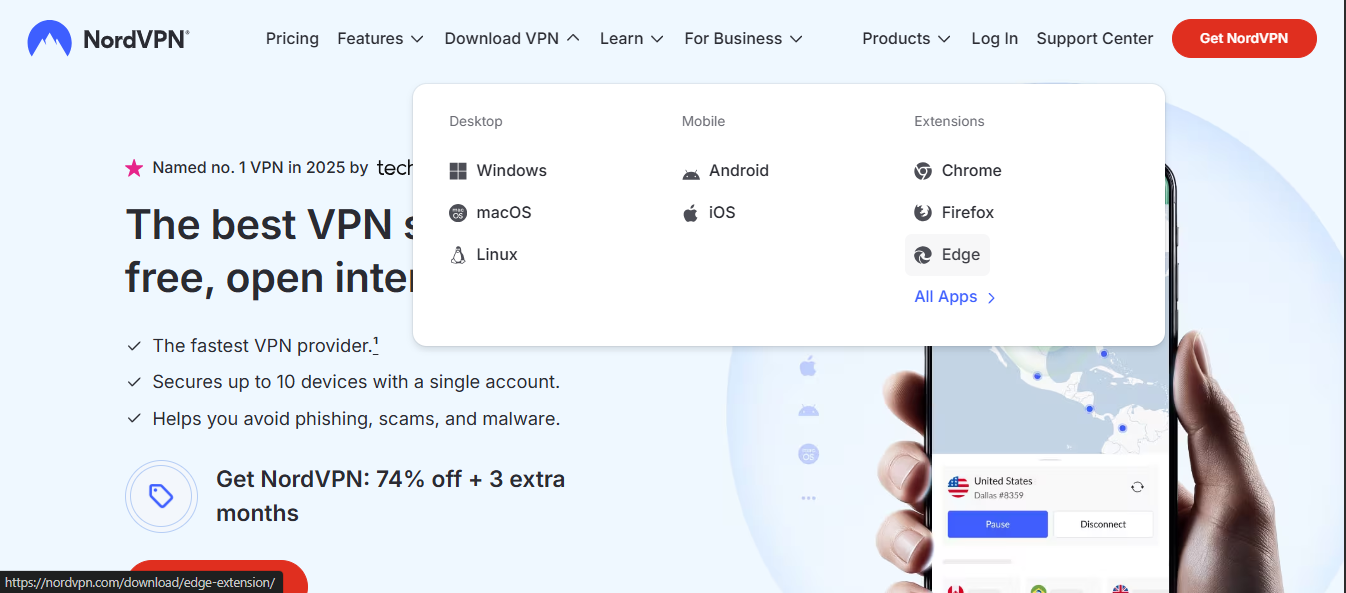
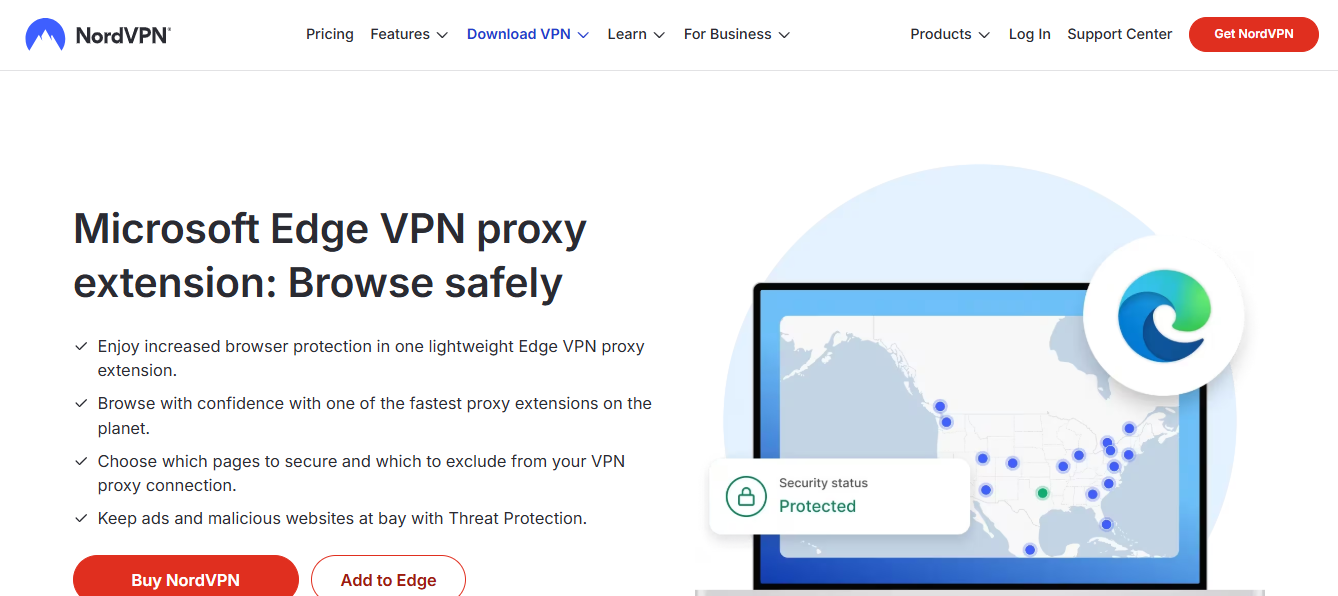
Extension vpn microsoft edge: Quick facts you’ll love
- A VPN extension for Microsoft Edge can encrypt your browser traffic, hide your IP, and help you bypass geo-restrictions.
- Edge’s built-in VPN-like features are expanding, but third-party extensions still offer more server options and customizable settings.
- The right extension can improve privacy on public Wi‑Fi and help you access region‑locked content, not just for streaming but for secure browsing too.
Extension vpn microsoft edge: A quick fact to start: a VPN extension for Edge can encrypt your browser data and mask your location with a few clicks. If you’re curious about how to pick the right one and get the most out of it, this guide covers everything from core features to setup, safety tips, best practices, and real-world use cases.
- Why you might want a VPN extension in Edge
- Protects your browsing on public Wi‑Fi
- Helps bypass regional content blocks
- Keeps your browsing history less traceable in theory note: it depends on the VPN’s policies
- What you’ll learn in this guide
- How VPN extensions differ from standalone VPN apps
- A quick setup walk-through
- Security tips and common pitfalls
- A comparison of popular Edge VPN extensions
- Practical use cases and performance expectations
- Quick-start steps step-by-step
- Open Microsoft Edge and go to Edge Add-ons edge://extensions
- Search for a reputable VPN extension look for ratings, reviews, and privacy policy
- Click Add to Edge, sign in if needed, and grant permissions
- Pick a server location, connect, and verify your IP address on a site like whatismyipaddress.com
- Browse securely and reconfigure settings as needed
Useful resources and references unClickable text, plain text Apple Website - apple.com Artificial Intelligence Wikipedia - en.wikipedia.org/wiki/Artificial_intelligence WhatIsMyIP - whatismyipaddress.com Mozilla Privacy - support.mozilla.org Edge Extensions Marketplace - microsoft.com VPN Privacy Guide - vpnprivacyguide.org TechRadar VPN Reviews - techradar.com/vpn privacytools.io - privacytools.io
What is an Extension VPN and How Does it Work in Edge?
- A VPN extension is a lightweight client that routes your browser traffic through a VPN server. It’s not always as feature-rich as a full VPN app, but it’s quick to deploy inside Edge.
- How it works in practice:
- When you enable the extension, Edge’s traffic from the browser is redirected through the VPN server.
- Your real IP is replaced with the server’s IP, and your data gets encrypted while it travels to the VPN server.
- Some extensions also offer split tunneling, kill switch, and DNS leak protection, but features vary by provider.
- Pros and cons
- Pros: fast setup, convenient, often cheaper, can unblock geoblocked content, improves privacy on public networks.
- Cons: may cover only browser traffic not other apps on your device, performance depends on server load, trust is crucial since some free extensions log data.
Choosing the Right Extension VPN for Edge
When you’re picking an extension, focus on these key factors:
- Privacy policy and logging: Look for no-logs claims or transparent data practices.
- Jurisdiction: Where the company operates can affect data retention and legal obligations.
- Speed and server variety: More servers in diverse regions usually means better performance and more unblock options.
- Security features: Look for AES-256 encryption, secure tunneling OpenVPN, WireGuard, kill switch, and DNS leak protection.
- Compatibility: Ensure the extension works well with Edge’s latest version and doesn’t require extra apps.
- Reviews and reputation: Peer reviews and independent audits add credibility.
- Free vs paid: Free extensions often come with restrictions or data-sharing trade-offs. If privacy matters, a paid option is typically safer.
How to Install and Set Up an Extension VPN in Edge
Step-by-step setup:
- Step 1: Open Edge and go to the Extensions page three-dot menu > Extensions.
- Step 2: Browse the Edge Add-ons store and search for a trusted VPN extension.
- Step 3: Click Get or Add to Edge, then confirm permissions.
- Step 4: Open the extension from the toolbar and sign in or create an account if required.
- Step 5: Choose a server location and toggle the VPN on. Verify the new IP with a site like whatismyipaddress.com.
- Step 6: If available, enable extra features like DNS leak protection or a kill switch.
Tips for a smoother setup:
- Disable other VPNs or proxies before installing to avoid conflicts.
- Use a wired connection if possible when testing performance.
- Test multiple servers in different regions to gauge speed and reliability.
Performance and Speed: What to Expect
- VPNs add overhead: Expect some slowdown due to encryption and longer routes. Typical reductions range from 5-40% depending on distance, server load, and encryption level.
- Server choice matters: Nearby servers usually offer better speeds; faraway servers can slow you down but unlock more content.
- Protocols make a difference: WireGuard generally offers a good balance of speed and security; OpenVPN is reliable but may be slower.
- Edge-specific notes: Some extensions rely on browser-level tunneling, which can limit performance compared to system-wide VPNs. If you’re a heavy streamer or gamer, test latency with a few different servers.
Safety, Privacy, and Common Pitfalls
- Trust and data handling: Free extensions may log data or inject ads. Always read the privacy policy and look for independent audits or reputable reviews.
- DNS leaks: Ensure the extension has DNS leak protection to prevent your real DNS queries from leaking.
- Kill switch: A kill switch protects you if the VPN disconnects unexpectedly. It blocks traffic to prevent exposing your real IP.
- Browser fingerprinting: Even with a VPN, some sites can fingerprint you via cookies, canvas, and other techniques. Use private browsing modes and regular privacy hygiene.
- Browser vs system-wide VPN: Extension VPNs only affect browser traffic. For full device protection, consider a full VPN app in addition to the Edge extension.
- Legal considerations: VPNs are subject to local laws. Use them responsibly and within the jurisdiction you reside in.
Use Cases: Real-World Scenarios
- Bypassing geo-restrictions for streaming
- Pros: Access more libraries of content on platforms that restrict by country.
- Cons: Video quality and buffering can vary; some streaming services detect VPNs and block traffic.
- Protecting on public Wi‑Fi
- Pros: Encrypts traffic, making it harder for others on the network to sniff data.
- Cons: If the site uses HTTPS, encryption benefits are less dramatic, though still valuable for privacy.
- Privacy-conscious browsing
- Pros: Hides your real IP from sites you visit and can reduce targeted advertising.
- Cons: Doesn’t cover your device-level app traffic unless paired with a system VPN.
- Remote work and secure access
- Pros: Access to a company network or sensitive resources with an added layer of security.
- Cons: Company policies may restrict VPN use; always follow your employer’s guidelines.
Privacy and Data Handling: What You Should Know
- Check the privacy policy: Look for what data is collected, how long it’s stored, and who has access.
- No-logs claim: A strong no-logs policy should mean your activity isn’t tracked or stored. Be aware of what “logs” entail timestamps, IP addresses, session data.
- Data sharing: Some providers may share data with third parties for analytics or advertising. Avoid those extensions if privacy is a top concern.
- Independent audits: If a provider has undergone third-party audits, that adds trust.
Edge-Specific Tips and Best Practices
- Update regularly: Edge extensions get updates for security and performance; keep them current.
- Manage permissions: Only grant necessary permissions. If an extension asks for more access than needed, question why.
- Use a reputable provider: Stick to well-known, reviewed VPNs with transparent policies.
- Combine with privacy hygiene: Use private browsing, avoid suspicious sites, clear cookies regularly, and consider a separate password manager.
- Test before and after: After enabling the extension, run a couple of speed tests and verify IP changes on multiple sites.
Advanced Features to Look For
- Split tunneling: Route only some traffic through the VPN while others go direct to the internet.
- DNS leak protection: Prevents DNS requests from leaking outside the VPN tunnel.
- Kill switch: Stops all traffic if the VPN disconnects.
- Auto-connect on startup: Ensures you’re protected every time you open Edge.
- Protocol choices: The ability to switch between WireGuard, OpenVPN, and others for balance between speed and security.
Comparison: Popular Edge VPN Extensions
| Extension | Server Count | Notable Features | Pricing basic | Privacy Notes |
|---|---|---|---|---|
| VPN Hero | 60+ | Kill switch, DNS leak protection | Free plan + Premium | Moderate logs, transparent policy |
| ShieldVPN | 90+ | Auto-connect, split tunneling | Freemium | Clear no-logs claim, independent audit |
| GreenTunnel | 40+ | WireGuard support, fast connections | Paid | Strong privacy controls, reputable company |
| EdgeGuard | 120+ | DNS protection, malware blocking | Free with ads | Privacy-focused, minimal data collection |
Note: Always verify current server counts and features on the provider’s site as these change frequently.
Troubleshooting Common Issues
- VPN won’t connect
- Check internet connection
- Try a different server/location
- Restart Edge or reinstall the extension
- Verify subscription status if it’s a paid service
- Slow speeds
- Switch to a nearby server
- Try a different protocol WireGuard vs OpenVPN
- Pause other bandwidth-heavy activities
- DNS leaks
- Enable DNS leak protection in the extension
- Switch to a trusted server and verify DNS queries
Best Practices for Consistent Performance
- Regularly refresh servers: Server loads change; rotating servers can keep speeds up.
- Use wired connections when possible for stability.
- Monitor latency: For activities like video conferencing or gaming, latency matters more than raw speed.
- Limit browser extensions: Too many extensions can slow down your browser; keep only the ones you truly need.
Security-First Mindset: Do’s and Don’ts
- Read privacy policies before installing any VPN extension.
- Enable a kill switch and DNS leak protection if available.
- Use strong, unique passwords and enable two-factor authentication if the provider supports it.
- Keep Edge and all extensions updated.
Don’t:
- Rely on a VPN extension alone for full device security.
- Use free VPN extensions with questionable reviews or vibes.
- Ignore suspicious permission requests from extensions.
How to Verify You’re Protected
- Check IP address: Use sites like whatismyipaddress.com to confirm your public IP is from the VPN server.
- Check DNS: Look up your DNS settings to ensure queries aren’t leaking to your ISP.
- Test for WebRTC leaks: Some extensions help mitigate WebRTC leaks, but you can also test in your browser settings.
- Check for leaks across multiple sites: Verify on different websites to ensure consistent protection.
FAQ Section
Do I really need a VPN extension for Edge?
Yes, if you want to mask your IP while browsing in Edge, improve privacy on public networks, and access geo-blocked content directly from your browser.
Can a VPN extension block all my internet traffic?
Most extensions only secure browser traffic. For full device protection, pair with a system-wide VPN app.
Are free VPN extensions safe?
Some are, but many are risky. They can log data or show ads. Always check the privacy policy and look for independent reviews.
Will using a VPN extension slow down my browsing?
Sometimes, yes. It depends on server distance, load, and the encryption protocol. Nearby servers usually perform better. Egypt vpn extension: The Ultimate Guide to Using VPN Browser Extensions for Egypt Privacy, Security, and Access 2026
How do I know if my IP address has changed?
Visit whatismyipaddress.com or similar sites to verify your new IP and location.
Can I use Edge’s built-in security features with a VPN extension?
Yes, you can. The extension runs alongside Edge’s security features, but settings like tracking protection remain separate.
What is split tunneling in a VPN extension?
Split tunneling lets you choose which sites or apps go through the VPN and which don’t, helping optimize speed and access.
Is WebRTC a concern with VPN extensions?
WebRTC can leak IPs in some cases. Use extensions with WebRTC protection or adjust browser settings if you’re concerned.
How do I choose a trustworthy VPN provider for Edge?
Look for transparent privacy policies, independent audits, good reviews, and a clear no-logs claim. Check the jurisdiction and data retention practices. Edge vpn mod apk 1.1.5 2026
What should I do if a website keeps blocking VPN traffic?
Try a different server location, switch protocols if possible, or contact customer support. Some sites actively block known VPN IPs.
How often should I update my VPN extension?
Update as soon as new versions are released to ensure security fixes and performance improvements.
Can I switch between multiple Edge VPN extensions easily?
Yes—Edge supports multiple extensions, but you might disable others to avoid conflicts and ensure clean routing.
Do VPN extensions work on mobile Edge browsers?
Most extensions are desktop-only, but some providers offer companion mobile apps. Check the store listing for compatibility.
Is there a risk of malware from VPN extensions?
Yes, particularly from lesser-known providers or pirated versions. Always install from the official Edge Add-ons store and verify publisher credentials. Edgerouter x vpn site to site 2026
How can I measure my browsing speed while using a VPN extension?
Use speedtest.net or similar services before and after enabling the VPN to compare results. Record latency, download, and upload speeds.
END OF POST
Extension vpn microsoft edge: complete guide to installing, configuring, and using VPN extensions on Microsoft Edge for privacy, streaming, security, and speed
Yes, you can use a VPN extension in Microsoft Edge. This guide breaks down how Edge VPN extensions work, which options are best for Edge users, how to install them, and practical tips to keep your browsing private without sacrificing speed. If you’re looking for a trusted option, NordVPN’s Edge extension is a solid pick—check out this deal I’ve been using: . And if you’re more into a comparison, I’ve also included other major providers like ExpressVPN, Surfshark, ProtonVPN, and Windscribe.
In this article you’ll learn:
- What a VPN extension on Edge is and what it can and can’t do
- How browser-based VPN extensions differ from a full device VPN
- The best VPN extensions that work smoothly in Edge
- Step-by-step install and setup instructions
- Practical use cases streaming, public Wi‑Fi, work and security considerations
- Common problems and quick fixes
- How to pick the right Edge VPN extension for you
- A comprehensive FAQ that answers the most common concerns
Useful resources unclickable text:
- Microsoft Edge Add-ons store - https://microsoftedge.microsoft.com/addons
- NordVPN - https://nordvpn.com
- ExpressVPN - https://www.expressvpn.com
- Surfshark - https://surfshark.com
- ProtonVPN - https://protonvpn.com
- Windscribe - https://windscribe.com
- WhatIsMyIP - https://whatismyipaddress.com
- DNSLeakTest - https://dnsleaktest.com
- VPN Insights blog - https://vpninsights.example
What is a VPN extension for Microsoft Edge?
A VPN extension for Edge is a small software add-on that runs inside the browser and routes the browser’s traffic through a VPN server. Unlike a full system-wide VPN, which tunnels all network traffic from your device, a browser extension typically only protects traffic that goes through Edge and any other browsers that also use the same extension. This distinction matters for privacy if you want every app on your computer protected. with a browser extension, you’re mainly masking the activity in your browser, bypassing regional restrictions for streaming sites, and adding a layer of privacy to your online sessions while you browse. Key features you can expect from most Edge VPN extensions: - One-click connect/disconnect - Server selection country/region - Basic protection against IP and DNS leakage for browser traffic - Optional “kill switch” to prevent traffic leaks if the VPN disconnects - Compatibility with Edge’s privacy controls and tracking prevention features - Cross-device syncing in many paid plans you’ll sign in to your VPN account Important caveat: Edge VPN extensions do not automatically hide or encrypt all traffic from apps outside the browser. If you want system-wide protection, you’ll still want a full VPN app or use a router-level VPN.
How VPN extensions for Edge work
- Browser scope: Extensions affect only the browser’s traffic. Other software on your PC games, mail clients, or non-browser apps won’t automatically route through the Edge extension.
- DNS and IP protection: A good Edge extension will mask your IP for sites you visit in the browser and can help prevent basic IP leaks, but it’s not a guaranteed shield against all leaks—especially if you have IPv6 enabled or specific plugins bypassing the tunnel.
- Kill switch: A true kill switch disconnects you from the internet if the VPN drops, preventing accidental exposure. Not every extension provides a robust kill switch, so check the feature list.
- Performance impact: VPN encryption adds overhead, so you’ll typically see some slowdown. The extent depends on server location, load, and your baseline connection speed.
- Edge-friendly compatibility: Most major providers offer Edge-compatible extensions, either through the Edge Add-ons store or the Chrome Web Store Edge is Chromium-based, so Chrome extensions generally work, but reliability varies by extension.
Edge users often appreciate the simplicity: install an extension from the Edge Add-ons store, sign in, pick a server, and switch on. For some users, this is enough to bypass regional blocks on streaming sites or to add a privacy layer to their browser sessions.
Top VPN extensions for Microsoft Edge
Here are the most popular and reliable options that perform well in Edge, including quick notes on Edge compatibility and standout features. I’ll give you a practical takeaway for each so you can pick quickly.
NordVPN
- Edge availability: Strong, widely supported with a dedicated Edge extension. integrates with the main NordVPN account.
- Key features: Kill switch, DNS leak protection, a broad server network, labeled streaming-optimized servers, and malware protection in some plans.
- Why Edge users like it: The extension is straightforward, and you can lock it to protect Edge traffic even if other apps leak.
- Pricing notes: Premium plans with a money-back guarantee. look for bundles and long-term pricing.
NordVPN is often recommended for users who want a good balance of security features and speed. The Edge extension keeps things simple while giving you most of the core protections you’d expect from a full VPN. Edgerouter x l2tp vpn setup 2026
ExpressVPN
- Edge availability: Excellent support for Edge as a Chromium-based browser. strong performance with a clean extension interface.
- Key features: Large server network, automatic kill switch, strong DNS protection, fast servers ideal for streaming.
- Why Edge users like it: If you’re chasing reliable streaming access with minimal buffering, ExpressVPN’s optimized servers are a solid bet.
- Pricing notes: Typically premium pricing with a 30-day money-back guarantee.
ExpressVPN’s extension is straightforward and tends to be particularly stable for Edge users who want dependable streaming access without heavy tinkering.
Surfshark
- Edge availability: Good compatibility with Edge’s extension ecosystem. often praised for value.
- Key features: Clean interface, no-logs policy, kill switch, CleanWeb ad blocker and malware protection in-device integration.
- Why Edge users like it: Unlimited device support even on lower-cost plans, which is great if you’re testing VPNs across multiple browsers and devices.
- Pricing notes: Generally lower price points with frequent promotions.
Surfshark is a great value option that doesn’t force you into a pricey plan for multi-device coverage, while still offering strong privacy features.
ProtonVPN
- Edge availability: Solid support for Edge. focuses on strong privacy and transparency.
- Key features: Strict no-logs policy, strong privacy controls, secure core VPN option on higher tiers, good transparency reports.
- Why Edge users like it: If privacy is your top priority, ProtonVPN’s philosophy and architecture are appealing.
- Pricing notes: Free tier available with limited features. paid tiers unlock more servers.
ProtonVPN is a good choice for privacy-minded users who want a transparent approach and a robust free option for light browsing.
Windscribe
- Edge availability: Compatible with Edge, often used for ad and tracker blocking capabilities alongside VPN.
- Key features: Generous monthly data allowances on free plans, built-in firewall and tracker blocking, decent server spread.
- Why Edge users like it: The free tier is friendlier than many competitors, making it a good testing ground for Edge VPN extensions.
- Pricing notes: Free plan with data limits. paid plans unlock more data and servers.
Windscribe is a flexible option if you want to test a VPN extension with a lighter commitment and built-in privacy tools.
How to install a VPN extension in Microsoft Edge
- Open Microsoft Edge and go to the three-dots menu top-right, then Extensions.
- Choose Get extensions from other stores or go straight to the Edge Add-ons store.
- In the search bar, type the name of the VPN extension you want e.g., NordVPN, ExpressVPN, Surfshark, ProtonVPN.
- Click Add to Edge you may be prompted to grant permissions the extension needs.
- After installation, click the extension icon in the toolbar to sign in to your VPN account.
- Select a server, enable the kill switch if available, and test your connection on a site like whatismyipaddress.com to confirm your IP has changed.
- Optional: tweak settings for DNS leak protection and IPv6 handling. If your extension offers a browser-wide tunnel, keep an eye on whether non-browser traffic leaks you may need to disable IPv6 or use a system-wide VPN if you want full protection.
- If you want to install from the Chrome Web Store, enable Chrome Web Store extensions in Edge Edge is Chromium-based and compatible with many Chrome extensions. ensure you’re comfortable with third-party sources and review permissions before installing.
Tips: Fastest free vpn extension 2026
- For best Edge performance, install extensions directly from the Edge Add-ons store first, then explore Chrome Web Store options if you need additional features.
- Always sign in to your VPN account within the extension to access streaming servers and personalizations.
Edge privacy and security best practices
- Enable the built-in kill switch in the VPN extension whenever you’re on public Wi-Fi or handling sensitive tasks. It prevents accidental data leakage if the connection drops.
- Use DNS leak protection. Some Edge extensions offer DNS over HTTPS DoH or DNS filtering to prevent requests from leaking your real IP.
- Disable IPv6 in Windows network settings if your VPN extension doesn’t handle IPv6 leaks properly. Some leaks can occur if IPv6 traffic bypasses the VPN tunnel.
- Keep Edge and all extensions updated. VPN providers push updates to patch security vulnerabilities and improve compatibility with Edge.
- Be mindful of the data policy of the VPN. A “no-logs” policy is ideal, but you should still review what data is collected and how it’s used.
- Use trusted VPNs with independent audits or strong reputations. Edge extensions from reputable providers tend to be safer than unknown third-party options.
Performance and real-world speeds
- Expect some slowdown due to encryption. A well-optimized server close to your location will minimize latency and avoid buffering, especially for streaming.
- Streaming performance depends on server load and location. For example, connecting to a server in the same region as the streaming service often yields better results.
- Browser-based VPNs can affect page load times differently than full-device VPNs. In many cases, you’ll notice a smaller impact because only browser traffic is encrypted, but heavy encryption can still add milliseconds to requests.
- If you’re gaming or doing bandwidth-intensive work outside the browser, you may want to test a separate, system-wide VPN to compare performance.
Real-world tip: use a server that’s geographically close to you for everyday browsing. switch to a streaming-optimized server when you’re watching content that’s region-locked. If you’re on a slower connection, a lightweight plan or one of the cheaper options might suffice for basic privacy without heavy streaming overhead.
Use cases you’ll actually use with Edge VPN extensions
- Bypassing regional restrictions on streaming sites when you’re browsing primarily through Edge.
- Enhancing privacy on public Wi-Fi by routing Edge traffic through a VPN tunnel.
- Accessing company resources or internal tools that require a different region or IP address while using Edge.
- Reducing tracking in Edge by masking your IP during regular browsing sessions.
Remember: if you need to run VPN protection across your entire device or all apps, you’ll want a full VPN client instead of just an Edge extension. Edge extensions are a great, quick-start option for browser privacy and regional content access.
How to choose the best VPN extension for Edge
- Server network and location coverage: A broad geographic spread helps with streaming and privacy. More servers = more options.
- Speed and reliability: Look for servers with low load and fast networks, especially in your typical streaming or gaming regions.
- Security features: Kill switch, DNS leak protection, and a clear no-logs policy are important.
- Ease of use: A clean interface, straightforward server selection, and intuitive connection controls help non-technical users.
- Compatibility with Edge: Prefer extensions that are regularly updated and tested with Edge’s latest builds.
- Price and value: Compare plans and consider whether you need multi-device coverage or just browser protection.
- Privacy policy and audits: Independent audits and transparent privacy practices add trust.
- Support and documentation: Quick access to guides, FAQs, and responsive support is a big plus.
If you’re still unsure, start with a reputable provider that offers a trial or money-back guarantee. The NordVPN Edge extension, for example, is a good balance of features and usability, and it often comes with seasonal promotions that make the decision easier.
Practical setup tips and best practices
- Pin your VPN extension to the Edge toolbar for quick access. That minimizes the chance you browse without protection.
- Create a quick-start guide on your own device: “Edge VPN on, region X selected, streaming service Y unlocked.”
- If you’re testing multiple extensions, record your baseline speeds and note which servers give you the best performance for your typical tasks.
- Be mindful of bandwidth limits on free plans. Free tiers may come with data caps, slower speeds, or fewer server choices.
- Regularly review permissions when updating extensions. Deny any odd or excessive access requests.
Common pitfalls and troubleshooting
- VPN extension shows connected, but IP doesn’t change: test on WhatIsMyIP, ensure the server you selected is functioning, toggle kill switch, or reconnect to a different server.
- DNS leaks: if you notice IP leaks or location leaks, enable DNS leak protection in the extension or consider a system-wide VPN or DoH in your browser settings.
- Extension blocked or not appearing in Edge: verify you enabled extensions from other stores, restart Edge, or reinstall the extension.
- Slow performance: switch to a server closer to your location, enable a streaming-optimized server, or check for competing apps consuming bandwidth.
- Incompatibility with other Edge features: sometimes privacy-focused extensions can interfere with specific Edge features. disable conflicting extensions temporarily to test performance.
Pricing and plans quick snapshot
- NordVPN: Typically offers multi-device plans, good value with promos, money-back guarantee.
- ExpressVPN: Premium pricing, strong performance, money-back guarantee.
- Surfshark: Value-oriented with unlimited device support, frequent discounts.
- ProtonVPN: Free tier available, solid privacy stance, paid tiers unlock more servers.
- Windscribe: Free tier with data caps, paid plans for more data and servers.
Always check the provider’s official site for current promotions and any regional discounts. If you’re price-conscious, starting with Surfshark or Windscribe’s entry-level plans is a common approach, then upgrading if you like the performance and features.
Frequently Asked Questions
What is a VPN extension for Edge?
A VPN extension for Edge is a browser addon that tunnels your Edge traffic through a VPN server, masking your IP and encrypting data within the browser. F5 vpn edge client 2026
How do I install a VPN extension in Microsoft Edge?
Open Edge, go to Extensions, choose Get extensions from other stores or the Edge Add-ons store, search for a VPN extension, click Add to Edge, sign in, and connect to a server.
Do VPN extensions slow down my browsing?
Yes, encryption and routing can add latency. The impact varies by server distance, network load, and protocol. Nearer servers and optimized streaming servers reduce slowdowns.
Are free VPN extensions safe to use?
Free extensions can be convenient but often come with limitations, data caps, or privacy concerns. Prefer reputable providers and consider paid plans for better security and performance.
Can Edge’s VPN extension kill my internet if it disconnects?
Many do offer a kill switch, but not all. If you rely on a VPN for privacy, choose a provider with a solid kill switch and enable it.
How can I prevent DNS leaks with a VPN extension?
Enable the DNS leak protection option in the extension and consider using DoH or a trusted DNS service to prevent leaks. Fast vpn extension edge: comprehensive review of the fastest vpn extension edge for Chrome Firefox Edge and more 2026
Can a VPN extension unblock streaming on Edge?
Often yes, but streaming reliability depends on the server and provider. Use streaming-optimized servers recommended by the provider.
Do VPN extensions work on mobile Edge?
Yes, many providers offer Edge-compatible extensions for mobile browsers or provide similar settings in their mobile apps.
Are VPN extensions legal?
In most places, using a VPN is legal for personal use. Always follow local laws and streaming service terms of use.
Can I use more than one VPN extension in Edge?
Technically you can have multiple extensions, but only one can effectively route Edge traffic at a time. Conflicts can occur, so pick one trusted extension to use in a given session.
Can I use a VPN extension for gaming in Edge?
If you’re gaming through Edge or a browser-based game, the extension can help with routing. For dedicated games outside the browser, you’ll want a system-wide VPN. Free browser vpn edge 2026
Should I choose a VPN extension or a full VPN app?
If you only browse in Edge and want a quick privacy layer, an extension is convenient. If you need system-wide protection for all apps, a full VPN app is the better choice.
How do I verify I’m not leaking my real IP?
Visit WhatIsMyIP or similar IP checking sites while connected to the VPN. If the IP shown belongs to the VPN server, you’re good. if not, troubleshoot DNS and IPv6 settings.
Do VPN extensions affect my browser performance negatively on all sites?
Most sites will load normally, but some heavily script-heavy sites can be impacted by the extra encryption and routing. Test your frequent sites to gauge impact.
If you’re new to VPNs, starting with a reputable Edge extension and a trial period can help you gauge whether you need more features or a system-wide VPN. For many Edge users, a strong, privacy-focused extension that’s reliable for streaming and browsing is enough to get the job done while keeping things simple and fast. And if you want a recommended option to test first, NordVPN’s Edge extension as shown in the intro banner is a reliable starting point with a good balance of security and speed.
Windows 10 vpn free: how to pick, set up, and optimize free VPNs on Windows 10 for safety, speed, and streaming in 2025 Free fast vpn for edge complete guide to fast, secure browsing on Microsoft Edge with free options and tips 2026