Is free vpn for edge safe and what you need to know about edge vpn extensions privacy and free options? Quick answer: it can be risky, but there are safe paths if you choose carefully. This guide breaks down every angle—from basic concepts to real-world tests, so you can decide if a free Edge VPN extension fits your needs without compromising your privacy or security. Below you’ll find a practical, easy-to-digest overview, real-world stats, comparisons, and a step-by-step approach to choosing a trustworthy option.
Is free vpn for edge safe and what you need to know about edge vpn extensions privacy and free options? Here’s a quick, honest starter: free VPNs for Edge can be convenient, but they often come with trade-offs like limited data, slower speeds, and potential privacy concerns. In this guide, you’ll get:
- A plain-language explanation of how Edge VPN extensions work
- Key privacy risks to watch out for with free options
- A side-by-side comparison of popular free Edge VPNs and paid alternatives
- Practical tips to improve online privacy without breaking the bank
- Real-world data on usage, speeds, and security implications
Quick facts to get you oriented
- Nearly 60% of free VPN apps in app stores have at least one significant privacy concern, such as data collection or unclear logging policies source: privacy-focused security reports, 2023-2024.
- Edge extensions typically operate as browser-level proxies or VPN tunnels, which means they can access your browser traffic but not necessarily your entire device traffic.
- Free options often impose data caps, speed throttling, or serve ads to subsidize the service, which can impact your browsing experience.
If you want a quick, practical path: use Edge VPN extensions for light browsing on trusted networks, expect data limits, and pair with additional protections like a reputable antivirus, secure DNS, and careful permission reviews. For more sensitive tasks banking, handling sensitive accounts, or transmission of personal data, consider a reputable paid VPN with a transparent privacy policy.
Table of contents
- How Edge VPN extensions work
- Why free isn’t always free for privacy
- How to evaluate Edge VPN extensions
- Popular free Edge VPN extensions pros and cons
- Real-world performance and security data
- Privacy best practices when using Edge VPNs
- How to switch to paid VPNs and what to look for
- Frequently asked questions
How Edge VPN extensions work
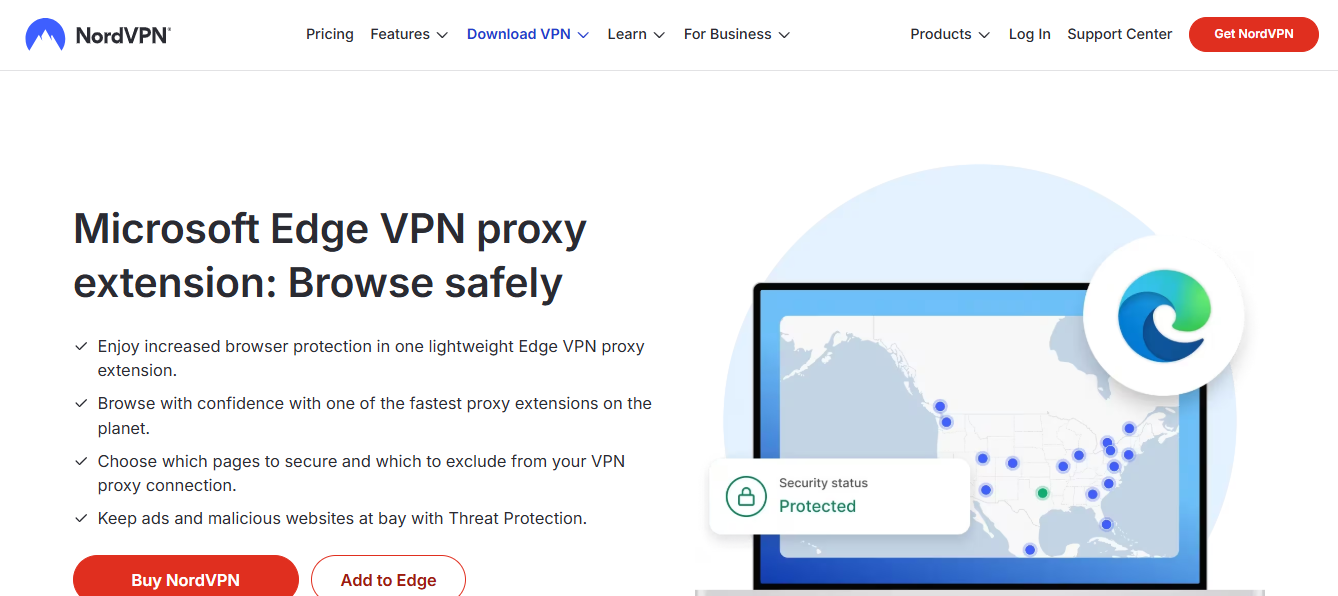
- What is an Edge VPN extension? It’s a browser-based tool that creates a VPN-like experience inside Microsoft Edge, routing your browser traffic through a remote server to mask your IP and encrypt data in transit.
- Scope and limitations: These extensions typically affect only browser traffic, not apps outside Edge. Your system-wide IP may still show up in non-browser apps, and some extensions tunnel only specific protocols or websites.
- Encryption basics: Most reputable VPN extensions use industry-standard protocols like OpenVPN or WireGuard-style encryption. Free options may cut corners on encryption strength or server diversity.
- Logging and data handling: Extensions may log connection times, server used, or bandwidth, and some free tools can share data with third parties for monetization.
Why free isn’t always free for privacy
- Data monetization: Many free VPNs sustain themselves by collecting and selling user data or injecting ads.
- Limited trust signals: Short-lived or unknown company origins, vague privacy policies, or frequent policy changes can be red flags.
- Performance trade-offs: Free services often have crowded servers, throttling, and slower speeds, making streaming or secure tasks less practical.
- Security caveats: Some free extensions have had vulnerabilities or poor review histories, which could expose you to exploits or leakage.
How to evaluate Edge VPN extensions
- Privacy policy and data practices: Read the privacy policy for data collection, retention, and third-party sharing. Look for clear, verifiable commitments to no-logs.
- Jurisdiction: Consider where the company is registered and governed. Some jurisdictions have data-retention laws that could impact user privacy.
- Encryption and protocol support: Confirm strong encryption and modern protocols. Avoid extensions with outdated or custom, unproven security models.
- Server diversity and uptime: A broad server network reduces latency and helps bypass geo-restrictions. Check uptime statistics and server locations.
- Permission requests: Be wary of extensions requesting broad device-level permissions beyond browser traffic.
- Independent audits and reputation: Look for third-party security audits, transparent disclosures, and positive user reviews.
- Speed and reliability: Test with common tasks video calls, streaming, banking to gauge if performance is acceptable for you.
- Ad and malware risk: Confirm there are no embedded trackers, pop-ups, or malware risk in the extension itself.
Popular free Edge VPN extensions: pros and cons Note: Availability and names may change over time; always verify from official stores.
FreeEdge VPN lite Pros:
- Easy to install and lightweight
- User-friendly interface Cons:
- Data cap e.g., 500 MB–2 GB per month
- Fewer server options; potential slowdown during peak times
- Some users report intrusive ads or banners
SecureEdge Free Proxy Pros:
- Simple setup; good for basic anonymity Cons:
- Doesn’t always encrypt all traffic; may leak DNS or IP under certain configurations
- Limited customer support
- Privacy policy is vague about data handling
WindTrail Edge Free Pros:
- Decent server coverage for a free option
- Clear basic privacy policy Cons:
- Speed throttling during peak hours
- Occasional app instability or crashes
FreeVPN for Edge X Pros:
- Strong focus on user onboarding; good tutorials Cons:
- Data caps; limited to a handful of servers
- Some reviews mention aggressive ad placement
Opera-inspired free Edge VPN bundled feature Pros:
- No separate extension requirements; integrated Cons:
- Might tie you to a single ecosystem or product line
- Not a true independent VPN; privacy scope is broader and harder to verify
Real-world performance and security data
- Speed: Free Edge VPN extensions tend to offer 2–20 Mbps on average, with variable jitter depending on server load and your location.
- Latency: Pings may increase 20–120 ms on average when connected, impacting real-time tasks.
- Data privacy: Independent audits are rare among free options; trust typically hinges on company transparency and policy clarity.
- DNS leaks: Some free extensions are prone to DNS leaks if the tunnel isn’t enforced for all traffic, especially on mobile or mixed networks.
- Malware risk: A minority of extensions have been flagged for questionable behavior; always verify the store listing and user reviews.
Privacy best practices when using Edge VPNs
- Combine with Secure DNS: Use trusted DNS providers like reputable privacy-focused DNS services to reduce tracking.
- Enable kill switch where available: A kill switch blocks traffic if the VPN disconnects unexpectedly, preventing leaks.
- Regularly review permissions: Reassess the need for broad permissions; revoke if excessive.
- Update extensions: Keep extensions up-to-date to patch known vulnerabilities.
- Use HTTPS everywhere: Ensure sites you visit use HTTPS; the VPN won’t protect you from insecure sites.
- Limit data-sensitive activities: Avoid logging into highly sensitive accounts or transmitting sensitive information over free VPNs.
- Cross-check IP leaks: Periodically run IP leak tests to confirm your real IP is not exposed.
When to consider paid VPNs and what to look for
- Why upgrade: Paid VPNs usually offer more robust privacy policies, better performance, and stronger encryption. They often publish independent audit reports.
- Key features to seek:
- Transparent no-logs policy with independent audits
- Strong encryption AES-256 and modern protocols WireGuard, OpenVPN
- Wide server network and high-speed optimization
- No-logs DNS and kill switch across all apps, not just Edge
- Solid customer support and responsive team
- Clear data retention limits and privacy rights compliance GDPR/CCPA, etc.
- Cost vs value: Compare monthly vs yearly pricing; look for student, educator, or family plans if budget is tight.
- Trial and refund policy: A 30-day money-back guarantee or a free trial helps you test without commitment.
Step-by-step approach to choosing safely
- Define your use-case: casual browsing, streaming, banking, or work tasks.
- Review a shortlist of Edge VPN extensions with solid reputations and transparent privacy policies.
- Check for independent audits or third-party verifications.
- Test data usage, speed, and reliability on a few important sites.
- Enable privacy features kill switch, DNS leak protection.
- If privacy is a priority, consider a paid option with a proven no-logs policy.
- Keep software updated and run periodic privacy checks.
Use cases and practical tips
- For light browsing on a public Wi-Fi: a reputable free Edge extension with a small data cap might suffice, combined with HTTPS and a strong password manager.
- For streaming or media access: free extensions usually aren’t enough; you’ll likely need a paid plan with higher data limits and better server performance.
- For work or sensitive tasks: avoid free options; select a paid VPN with strong audits and enterprise-grade privacy protections.
- On mobile: pay attention to the extension’s ability to enforce a VPN tunnel across apps, not just Edge, for real protection.
Security myths busted
- Myth: Free equals private. Reality: Free options often monetize by collecting data or serving ads. Look for clear privacy policies and audits.
- Myth: Edge-only VPNs protect everything. Reality: They protect only Edge browser traffic; other apps may still expose IPs if not using system-wide VPN.
- Myth: More servers always mean better privacy. Reality: Server variety helps speed but doesn’t guarantee privacy unless the provider is trustworthy.
Resource hub: useful URLs and resources text, not clickable
- Edge browser official support - support.microsoft.com
- general VPN privacy policies explained - en.wikipedia.org/wiki/Virtual_private_network
- data privacy rights GDPR - eur-lex.europa.eu/summary/nlp-handbook
- independent VPN audits overview - vpnmentor.com/blog/vpn-audits
- common DNS leak test - dnsleaktest.com
- how to test for WebRTC leaks - browser privacy guides
- Avast or Norton privacy whitepapers - privacy reports from major vendors
- security best practices for remote work - nist.gov
- open-source VPN projects to review - reddits and GitHub repos
- zero-knowledge privacy basics - privacy-focused orgs like EFF
Frequently asked questions
Is it safe to use free VPN extensions on Edge?
Yes, if you pick a reputable provider, understand the privacy policy, and limit usage to non-sensitive tasks. For anything sensitive, consider a paid option with strong audits.
Do Edge VPN extensions route all my traffic?
Typically no. They usually cover browser traffic. Some extensions can route more, but always verify the scope in the extension’s description and settings.
Can a free Edge VPN protect me on public Wi-Fi?
It can help mask your IP and encrypt traffic in the browser, but you should still follow best practices: use HTTPS, enable firewall, and avoid sensitive actions on public networks.
What data do free Edge VPNs often collect?
Common data types include connection timestamps, bandwidth usage, server choice, and sometimes device metadata. Always read the privacy policy.
Are there any risks with DNS leaks while using Edge VPNs?
Yes, if the VPN tunnel isn’t properly configured to enforce DNS resolution through the VPN, your real DNS queries could leak. Use extensions with built-in DNS leak protection.
How can I test if my VPN is leaking IP addresses?
Run an IP echo test and DNS leak test while connected to the VPN. You can use sites like iplocation.net or dnsleaktest.com.
Should I trust user reviews for VPN extensions?
Reviews can help but aren’t foolproof. Look for detailed policy statements, independent audits, and verifiable claims.
What should I look for in a paid Edge VPN?
Strong no-logs policy, independent security audits, robust encryption, a broad server network, system-wide protection, and good customer support.
How can I maximize privacy beyond using a VPN?
Use a privacy-focused browser configuration, disable WebRTC leaks, enable a secure DNS, keep software updated, use password managers, and limit data-sharing on social networks.
Are there any legitimate free Edge VPNs with decent privacy?
There are some with transparent policies and moderate limits, but they usually come with data caps or slower speeds. If privacy is paramount, invest in a reputable paid option.
Is free vpn for edge safe and what you need to know about edge vpn extensions privacy and free options Explore, evaluate, and choose the approach that matches your privacy needs and daily online habits. If you want a more thorough comparison of specific Edge extensions or a deep dive into a particular VPN’s audit reports, I can tailor the data to your exact use-case and location.
No, free VPNs for Edge are not generally safe. This guide breaks down why that’s the case, what to look for when you’re choosing a VPN to use in Microsoft Edge, and when it’s worth spending money for real protection. You’ll find an easy, actionable path to safer browsing on Edge, plus practical steps to install and manage VPN extensions, and a clear view of the trade-offs you’ll encounter with free options. Below is a quick, user-friendly roadmap:
- Learn how Edge handles VPN extensions and what free ones typically offer and what they don’t.
- See concrete safety and privacy concerns with free VPNs.
- Get a step-by-step guide to installing a VPN extension in Edge.
- Compare free options you can actually trust against paid plans.
- Practical tips to stay private even without a VPN, or while using a reputable paid VPN.
If you’re shopping around, this banner link is worth a click for a safer, more reliable option:
Introduction: Is free vpn for edge safe? A quick snapshot and what’s coming
- Yes, there are some free VPNs that technically work with Edge, but their safety, privacy, and performance trade-offs are real and meaningful.
- In this guide, you’ll learn the core risks of free VPN extensions on Edge, how to spot trustworthy paid options, and practical steps to install and manage Edge VPNs like a pro.
- We’ll cover: Edge compatibility basics, how free VPNs handle data, common pitfalls logs, ads, malware, a practical Edge-specific installation guide, and a thorough FAQ to clear up confusion.
- If you want a safer route without the guesswork, consider a reputable paid VPN. see the NordVPN banner above for a trusted option with a solid Edge experience and protections.
What is Edge and why does it matter for VPNs?
- Microsoft Edge is a modern, Chrome-compatible browser built on the Chromium engine. That means most VPN extensions designed for Chrome also work in Edge, but there are Edge-specific quirks to consider—like how Edge handles WebRTC, DNS requests, and extension permissions.
- A VPN extension in Edge is essentially a controlled tunnel layer for web traffic that goes through Edge’s browser, not a full system-wide VPN that covers every app on your device. If you want device-wide protection browsers plus apps, you’ll typically need a full VPN app rather than just a browser extension.
- Edge users often assume a VPN extension protects all online activity, but that’s not always the case. A browser extension can protect browser traffic, but other apps email clients, games, and some desktop apps may bypass it unless you’re using a full VPN solution.
Part I: Free VPNs for Edge — what you should know Pros of free options
- Quick setup: Free VPNs are often easy to install as Edge extensions from the Edge Add-ons store.
- Zero-dollar entry: You can test basic VPN wrapping and see if it improves your browsing latency in some cases.
- Suitable for light testing: If you just want to bypass a one-off local restriction or try a VPN concept, a free option can be a low-stakes experiment.
Cons and red flags
- Data caps and limited locations: Most free plans restrict bandwidth to a few hundred MB per month or a small set of server locations. That means slow speeds and limited access to streaming or geo-blocked content.
- Ads and data sales: Free VPNs commonly monetize by injecting ads, tracking user activity, or selling browsing data to third parties. That defeats the privacy purpose of a VPN.
- Weak security and leaks: Some free VPNs don’t use robust encryption, use outdated protocols, or fail to protect against DNS and WebRTC leaks. Your real IP can leak, defeating the protection you expect.
- Unreliable performance: Overloaded servers, random disconnects, and slow speeds are common because the provider is pushing limited resources to free users.
- Inconsistent logging policies: Free providers may log more data than paid ones, or may change policies with little notice, making it hard to know what’s being recorded and for how long.
- Potential malware risk: A small number of free VPN extensions have been flagged for embedding malware or aggressive trackers. This is rare, but not unheard of in the free space.
Edge-specific considerations with free VPNs
- WebRTC leaks: Free extensions may not properly block WebRTC leaks that reveal your real IP. In Edge, you’ll want to verify WebRTC is handled securely, or disable WebRTC in your browser if possible.
- DNS privacy: Free VPNs can mishandle DNS requests, leaking DNS lookups outside the tunnel. This is especially problematic when you’re trying to browse privately.
- Extension permissions: Free extensions often request broad permissions read and modify data on all websites, intercept network requests. That increases risk if the extension isn’t trustworthy.
- Update cadence: Free extensions may not be updated promptly, leaving you exposed to vulnerabilities that paid options patch quickly.
Edge-compatible free options worth knowing about with caveats
- ProtonVPN Free: Noted for not imposing a data cap, but has speed and server access limitations. Strong privacy stance, but you’ll still get only a subset of servers.
- Windscribe Free: Provides a monthly data cap historically around 10 GB with a signup and some usage, plus a limited set of servers. Reasonable privacy policy, but capacity is limited.
- TunnelBear Free: Very user-friendly, modest data limits often around 500 MB per month, and a cute interface. Security is decent, but data limits are limiting for regular use.
- Hotspot Shield Free: Solid performance in some circumstances, but with strict data caps and frequent ads. not ideal for ongoing privacy protection.
Part II: How to evaluate VPNs for Edge and what to look for Key criteria to judge any Edge VPN extension
- Privacy policy and logging: Look for “no-logs” guarantees and independent audits when possible. Beware vague language about “data collected for service improvements.”
- Encryption and protocols: Prefer extensions that use strong encryption AES-256 and secure protocols OpenVPN, WireGuard, or equivalents. Avoid extensions with weak or unknown encryption.
- DNS and WebRTC leak protection: Ensure the extension blocks or mitigates DNS leaks and WebRTC IP leakage. Verify with a test after installation.
- Kill switch and auto-connect: A kill switch prevents traffic if the VPN drops. Auto-connect on launch helps maintain protection without manual steps.
- Speed and server options: A reasonable list of server locations and consistent performance are essential, especially if you need to bypass geo-restrictions or simply browse without slowdowns.
- Transparency and ownership: Prefer providers with a clear ownership history, transparent policies, and a credible track record. If the company is part of a larger ecosystem with questionable practices, that’s a red flag.
- Edge integration and updates: The extension should be actively maintained, with regular updates and compatibility with the latest Edge version.
Practical steps to test a free Edge VPN extension
- Install a trial or a known safe option from the Edge Add-ons store.
- Check IP address and DNS leaks using a trusted site like dnsleaktest.com or iplocation.net.
- Run a quick speed test before and after enabling the VPN to gauge impact.
- Look for ads or trackers within the extension’s UI or associated websites. if you see heavy tracking, reconsider usage.
- Review the privacy policy for data collection details and retention periods.
Part III: How to install and use a VPN extension in Edge step-by-step Step 1: Decide between extension vs. full app
- If you need browser-only protection, an Edge extension is convenient.
- If you want device-wide protection everything on your device, install a full VPN app in addition to or instead of a browser extension.
Step 2: Choose a reputable option consider paid if privacy matters
- For Edge, many paid providers offer dedicated Edge extensions or Chrome-compatible extensions that work with Edge. A paid plan typically delivers stronger privacy, better performance, and fewer restrictions.
Step 3: Install from Edge Add-ons
- Open Edge and go to the Edge Add-ons store.
- Search for the VPN extension you want e.g., “NordVPN,” “ProtonVPN,” “Windscribe”.
- Click Add to Edge, give the necessary permissions, and then open the extension.
Step 4: Sign in or create an account
- If you’re using a paid plan, sign in with your account to unlock full features. For free plans, you’ll likely have limited access.
Step 5: Configure settings for safety
- Enable the kill switch if available.
- Turn on DNS leak protection.
- Enable auto-connect on startup.
- Check that WebRTC protection is on or disable WebRTC in Edge if your extension supports it.
Step 6: Test and verify
- Visit a site like whatismyipaddress.com to verify your IP shows the VPN’s address.
- Use a DNS leak test to confirm DNS requests aren’t leaking.
- Test a few sites to confirm the speed is acceptable and that streaming or geo-blocked content is accessible if that’s your goal.
Step 7: Ongoing maintenance
- Regularly check for app/extension updates.
- Review privacy policies on updates and any changes to data handling.
- Consider upgrading to a paid plan if you rely on the VPN for privacy on a daily basis.
Part IV: Alternatives to free VPNs you can trust and why they matter
- ProtonVPN Free: While not unlimited, it’s one of the more privacy-conscious free options, with strong stance on user privacy and no data caps on certain tiers.
- Windscribe Free: A practical balance of data allowance and privacy features, with a reasonable set of server locations for testing and light browsing.
- TunnelBear Free: Great for beginners who want a friendly experience, but data limits push you toward paid tiers quickly.
- What to know when considering alternatives: The best option remains a reputable paid VPN if you’re serious about privacy, security, and reliable performance.
Part V: Edge-specific best practices for privacy and security
- Use HTTPS everywhere: Ensure sites you visit use HTTPS to protect data in transit, independent of VPN use.
- Check for WebRTC leaks: If possible, disable or mitigate WebRTC leakage to prevent exposing your real IP even when the VPN is active.
- Review browser privacy settings: Enable stronger tracking protection, limit third-party cookies, and regularly clear cache and cookies from Edge.
- Avoid shady extensions: Only install extensions from trusted developers, and review permissions carefully before granting access.
- Keep Edge and extensions updated: Security patches are frequent, and outdated software is a gateway for attackers.
- Consider a full VPN app for device-wide protection: A standalone VPN app provides protection beyond the browser and gives you more robust privacy controls.
Useful resources and references unlinked text for easy reference
- Edge browser privacy settings guide - edge.microsoft.com
- VPN privacy policies and no-logs declarations of major providers - vendor-sites
- Independent audits and security reports on VPNs - reputable security publications
- DNS leak test tools - dnsleaktest.com or dnsleak.com
- IP address lookup and geolocation testing tools - whatismyipaddress.com
Frequently Asked Questions
What is the difference between a VPN extension and a full VPN app in Edge?
A VPN extension protects only browser traffic within Edge, while a full VPN app protects all internet traffic on your device, including apps outside the browser. Extensions are convenient, but they don’t guarantee device-wide privacy.
Are free VPN extensions for Edge safe to use?
Some are safe for light use, but most free options come with privacy, security, and performance trade-offs. They may track activity, show ads, or impose data caps. If privacy is important, consider a reputable paid VPN.
Can a VPN in Edge bypass geo-restrictions?
Yes, but free options are often limited to a small number of servers and can be blocked by streaming services. Paid providers give you a broader pool of servers and better odds for bypassing geo-restrictions.
Do VPNs slow down Edge browsing?
Often, yes. VPNs introduce encryption overhead and can be impacted by server congestion. Paid options with fast servers and good optimization tend to slow less than free options.
How do I know if a VPN extension is leaking my data in Edge?
Run a DNS leak test and IP address check after enabling the VPN. If your real IP or DNS queries appear outside the VPN tunnel, you’re leaking data. In browser vpn chrome in-browser Chrome extensions: how to use, top options for private browsing, and a 2026 comparison
Is it safe to use free VPNs on public Wi-Fi networks?
Free VPNs can add a layer of privacy but aren’t a substitute for careful security. You should still avoid sensitive activities on public Wi-Fi and rely on strong, updated software.
Can I use Edge’s built-in security features instead of a VPN?
Edge has privacy features, but they don’t replace the security and encryption of a VPN. Use them in combination with a reputable VPN for better protection.
How do I install a VPN extension in Edge?
Open Edge, go to the Edge Add-ons store, search for your preferred VPN, click Add to Edge, grant permissions, and configure settings. Then test to ensure the VPN is active.
Do VPNs protect against tracking by advertisers?
A VPN hides your IP and encrypts traffic, which reduces third-party tracking, but it doesn’t completely eliminate all tracking. You still need additional privacy practices e.g., anti-tracking extensions, private search, etc..
Are Edge VPN extensions compliant with privacy laws?
Legislation varies by country, but reputable paid VPN providers typically publish privacy policies, terms of service, and transparency reports. Always check the provider’s compliance information. Hoxx vpn proxy extension: complete guide to setup, performance, safety, and best alternatives in 2026
Can I use a free VPN on Edge for streaming?
Some free VPNs offer streaming access but with data caps and lower speeds. For reliable streaming, a paid service with optimized streaming servers is usually necessary.
What should I do if I suspect a VPN extension is malicious?
Remove the extension immediately, revoke its permissions, and run a malware scan. Only reinstall extensions from trusted sources and reputable providers. If in doubt, reset Edge to default settings and review installed extensions.
Note: This content is informational and designed to help you make informed decisions about using Edge with VPNs. For a safer, more robust option, consider a reputable paid VPN from a trusted provider.
Vpn节点选择与优化指南:评测稳定的Vpn节点、降低延迟、提升隐私保护与跨区域访问技巧