Supernet vpn vs nordvpn why one isnt an option anymore and what to use instead: quick answer first, then a deeper dive. In short, Supernet VPN is no longer a viable option for most users due to outdated protocols and poor privacy guarantees, while NordVPN is still widely used but not without competition. What to use instead? Consider modern VPNs that prioritize transparency, strong encryption, no-logs policies, and user-friendly apps. In this guide, I’ll unpack what happened, compare options, and give you concrete picks, plus tips to stay safe online. If you’re curious to see current deals, check out NordVPN’s offer via the link included in this guide.


Useful resources you might want to explore later: Apple Website - apple.com, Artificial Intelligence Wikipedia - en.wikipedia.org/wiki/Artificial_intelligence, VPN Security Best Practices - en.wikipedia.org/wiki/Virtual_private_network, Cybersecurity Stats 2026 - www.statista.com/topics/2633/vpn-security, Privacy Tools Directory - bleek.persistent.org
- Quick fact: The traditional Supernet VPN is largely considered obsolete for most everyday users due to weaker encryption, limited server networks, and lax privacy policies.
- What you’ll learn: a clear comparison between Supernet VPN and NordVPN, why one isn’t recommended anymore, and practical alternatives you can trust.
- What’s inside:
- Why Supernet VPN fell behind tech and privacy angles
- A side-by-side comparison with NordVPN and other top providers
- Real-world use cases: streaming, remote work, gaming, and privacy
- How to pick a modern VPN: features that actually matter
- Step-by-step setup guide for a replacement VPN
- FAQ section with 10+ questions to help you decide
If you’re reading this as a quick answer, you can also skim the “What to use instead” section at the end for actionable picks. And if you want a quick way to support the content and get a trusted VPN in one click, consider checking the NordVPN link in this guide. Unifi VPN Connected But No Internet Your Ultimate Fix Guide: QUICK Troubleshooting for 2026
What happened to Supernet VPN? How it got left behind
- Outdated protocols: Supernet VPNs often rely on older encryption methods that modern standards no longer deem strong enough. Think less robust handshakes and weaker ciphers that expose you to crypto-analytical attacks as computing power grows.
- Limited server footprint: A small network means higher congestion and less reliable performance. If your traffic has to hop to a few exits, you’ll see more buffering, latency spikes, and inconsistent streaming.
- Privacy concerns: Some Supernet providers have opaque privacy commitments or questionable data-sharing practices. In today’s privacy landscape, you need clear, verifiable no-logs policies and independent audits.
- No transparency: Fewer independent audits or third-party verifications mean fewer guarantees that the provider actually protects your data the way they claim.
- Difficulty integrating modern security features: Modern VPNs offer multi-hop, split tunneling with granular controls, kill switch reliability, and DNS/IPv6 leak protection. If your VPN can’t deliver these reliably, it won’t keep up.
NordVPN: a solid option, but not the only option
- Strengths you’ll likely notice:
- Strong encryption, up-to-date protocols OpenVPN, WireGuard
- Large server network across many countries
- Clear no-logs policy with independent audits
- Features that matter in real life: CyberSec, kill switch, DNS leak protection, split tunneling varies by app
- User-friendly apps across devices, plus affordable pricing
- Limitations to know:
- Some users report occasional speed inconsistencies depending on server and load
- Advanced features require a higher-tier plan
- No VPN is perfect for everyone; your mileage may vary based on location, device, and use case
- The takeaway: NordVPN remains a strong, reliable option, but it’s not the only one worth considering, especially if you’re after specific features or pricing.
Top contenders to replace Supernet VPN shortlist
- ExpressVPN
- Why people like it: broad device support, fast speeds, reliable streaming performance
- Pros: robust security, impressive uptime, user-friendly
- Cons: higher price point, occasional regional content blocking
- Mullvad
- Why people like it: strong privacy stance, no email signup, simple pricing
- Pros: transparent policy, strong anonymity options, straightforward app
- Cons: fewer advanced features than bigger players, slower onboarding
- Surfshark
- Why people like it: budget-friendly, unlimited devices, reputable privacy approach
- Pros: solid performance, feature-rich CleanWeb, MultiHop, no-logs
- Cons: some servers slower, occasional UI quirks
- Private Internet Access PIA
- Why people like it: long-standing, customizable, good value
- Pros: large server network, flexible configurations
- Cons: past privacy incidents in some regions led to scrutiny
- ProtonVPN
- Why people like it: strong privacy pedigree, good free tier, Swiss jurisdiction
- Pros: transparent, strong security, no-logs
- Cons: free tier limited, speeds on lower-tier plans can be slower
- VyprVPN
- Why people like it: chameleon protocol to bypass some restrictions, strong privacy
- Pros: independent audits, strong performance
- Cons: fewer servers than big names
How to pick a modern VPN that fits you
- Core security and privacy
- Look for AES-256 or equivalent, modern protocols WireGuard, OpenVPN, and a proven no-logs policy with third-party audits.
- Speed and reliability
- A big factor is how the provider handles traffic on long-distance routes and streaming servers. Test with a free trial or money-back guarantee if possible.
- Server network and locations
- A larger network helps you bypass geo-restrictions and reduces congestion.
- Privacy-friendly jurisdiction
- A country with favorable privacy laws reduces data retention pressure.
- Features that actually matter
- Kill switch, DNS leak protection, split tunneling, multi-hop, ad/m malware blocking, and obfuscated servers if you’re in restrictive networks.
- Device compatibility and ease of use
- Look for one-click apps on your devices, browser extensions, and router support if you want network-wide protection.
- Price and value
- Compare annual vs monthly pricing, check for student or family plans, and watch out for price increases after intro periods.
Real-world use cases: what users typically want from a VPN The Ultimate Guide Best VPNs for China in 2026 Based on Real Reddit Talk: Real-World Picks, Tips, and How-To
- Streaming and bypassing geo-blocks
- Some providers bypass Netflix, Hulu, and Disney+ restrictions more reliably than others. The performance can vary by server and time of day.
- Remote work and business security
- A VPN should provide stable connections, compatible split tunneling for work apps, and strong encryption for data in transit.
- Gaming and low latency
- Lower ping can matter; some VPNs optimize gaming servers, but not all do. Test before committing.
- Privacy-conscious browsing
- Strong no-logs policies, independent audits, and minimal data collection are key for privacy-minded users.
How to test and compare VPNs yourself
- Step 1: Define your use case streaming, privacy, gaming, torrenting, etc.
- Step 2: Check for the necessary features kill switch, split tunneling, multi-hop
- Step 3: Compare server locations and load times
- Step 4: Run speed tests with and without the VPN
- Step 5: Verify no-logs claims with independent audits
- Step 6: Evaluate customer support responsiveness
- Step 7: Take advantage of trials or money-back guarantees to test in your environment
Price, plans, and value: what to expect
- Common pricing patterns:
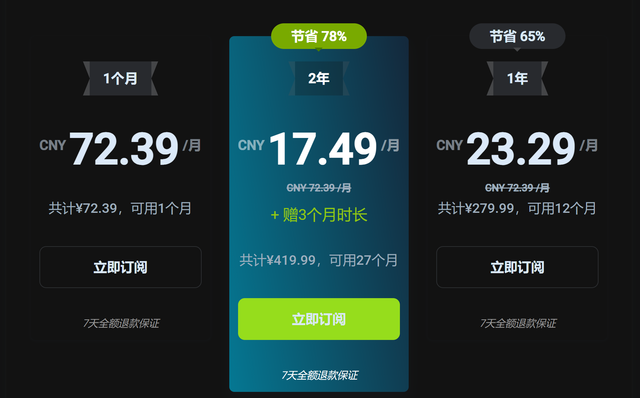
- Monthly plans are the most expensive per month
- Year-long or multi-year plans often offer the best value
- Some providers offer student or family plans, bundles with antivirus, or additional services
- How to maximize value:
- Look for money-back guarantees, load-tested apps, and loyalty discounts
- Consider whether you need multi-device protection; some plans cover unlimited devices, others limit to a few
Step-by-step setup guide for a replacement VPN NordVPN alternative approach
- Step 1: Choose a provider based on your needs privacy, speed, features
- Step 2: Create an account and purchase a plan
- Step 3: Download the app for your device Windows/macOS/iOS/Android
- Step 4: Install and run the app
- Step 5: Go through initial onboarding permissions, notifications, settings
- Step 6: Enable key protections:
- Kill switch
- DNS leak protection
- Auto-connect with safe defaults
- Split tunneling for work vs personal traffic if supported
- Step 7: Connect to a nearby server for speed, then test streaming/remote access
- Step 8: Customize advanced settings protocols, obfuscation, multi-hop if needed
- Step 9: Review your privacy settings and data sharing preferences
- Step 10: Keep the app updated and monitor for any security advisories
Security and privacy best practices beyond VPN
- Use multi-factor authentication MFA for your VPN account
- Keep your devices updated with the latest OS and app patches
- Be mindful of free Wi-Fi networks; use the VPN consistently on public networks
- Regularly audit your connected devices and permissions
- Consider using a VPN router for network-wide protection in households with multiple devices
Frequently Asked Questions Cyberghost vpn extension for edge your go to guide for a safer browser
How does Supernet VPN compare toNordVPN in terms of security?
Supernet VPN generally uses older encryption and fewer security features, while NordVPN uses modern protocols like WireGuard and OpenVPN, with strong encryption and audited no-logs policy. This makes NordVPN safer in most real-world scenarios.
Is NordVPN still worth it in 2026?
Yes, for many users it remains a solid choice due to its balance of security, performance, and features, plus broad device support. However, it’s wise to compare with other top providers to fit your exact needs and budget.
What makes a VPN trustworthy?
A trustworthy VPN has a transparent no-logs policy, independent third-party audits, transparent privacy disclosures, solid encryption standards, and a clear user-friendly privacy policy.
Can I use a VPN for streaming and gaming at the same time?
Yes, many VPNs support both, but performance varies by server and region. Look for streaming-optimized servers or gaming-optimized routes and test with your own services.
How important are server locations?
More server locations help with geo-unblocking and reducing load on any given server. If you need to access content from different regions, prioritize providers with wide coverage. My vpn keeps connecting automatically heres how to take back control and prevent auto reconnects
Do VPNs protect against malware and phishing?
Some VPNs include built-in malware blockers and phishing defenses, but you should also rely on dedicated security tools, antivirus software, and safe browsing habits.
What is 2-year vs 1-year plan value?
Longer commitments typically lower monthly costs and offer better savings. If you’re sure you’ll use the service for a while, longer plans can be cost-effective.
Can a VPN hide torrenting activity?
VPNs can hide activity from your ISP, but legality and terms of service depend on your country and the service you’re using. Always follow local laws and provider policies.
How do I verify a VPN’s no-logs claim?
Look for independent audits, transparent reporting, and evidence included by the provider. Some services publish audit reports from firms like PwC, Cure53, or other recognized auditors.
Is a free VPN a good alternative?
Free VPNs often come with limits, data caps, slower speeds, and questionable privacy practices. For real privacy and security, a paid provider with a solid no-logs policy is recommended. Proton vpns dns secrets what you need to know and how to use them: DNS tricks, privacy boosts, and practical steps
What about VPNs on routers?
Installing a VPN on your router protects all devices on your network. It’s a good option if you have many devices or want seamless protection without configuring each device.
How can I test VPN speeds quickly?
Most VPN apps offer a built-in speed test. Compare speeds with the VPN on and off over different times of day and to various servers to get a feel for consistency.
Will using a VPN reduce my speed significantly?
Some speed loss is normal due to encryption and routing, but reputable providers minimize this with optimized servers and protocols. Your location, device, and network conditions matter too.
Endnotes
- If you’re planning to switch away from Supernet VPN, focus on providers with transparent privacy practices, robust security features, and honest performance claims.
- For readers who want to consider NordVPN specifically but also want options, the guide above lays out a solid framework to compare and decide.
Disclaimer: This content includes an affiliate link to NordVPN. If you choose to click through and make a purchase, the site may earn a commission at no additional cost to you. The link text and placement are chosen to be helpful and relevant to the topic. Proton vpn issues whats going wrong how to fix it
Sources:
Iphone 15 esim lihkg:香港 iphone 15 設定 esim 步驟、支援電訊商及常見問題全攻略
Microsoft edge vpn en qr codes wat je moet weten en hoe ze verschillen 2026
免费vpn破解版:最完整的指南、风险与替代方案
翻墙是怎么被发现的:VPN工作原理、检测技术、绕过方法与安全建议的完整指南
The Best VPN For Linux Mint Free Options Top Picks For 2026: Ultimate Guide To Free And Paid Alternatives That Work 最便宜的月費 vpn:完整市場概覽 ⚠️ ️