Vpn para microsoft edge setup and usage guide for windows mac android and more is a practical, step-by-step guide to get you connected, protected, and cruising the web with Edge across all major platforms.
Vpn para microsoft edge setup and usage guide for windows mac android and more Quick fact: using a VPN with Microsoft Edge can improve privacy, bypass regional blocks, and keep your data safe on public Wi‑Fi. In this guide, you’ll get a clear, friendly walkthrough plus tips you can actually use.
- What you’ll learn:
- How to set up a VPN with Microsoft Edge on Windows, macOS, Android, and iOS
- Edge-specific tips for a smoother experience
- Troubleshooting common issues
- Privacy and security best practices
- Formats you’ll find:
- Step-by-step setup instructions
- Quick-reference checklists
- Pros/cons and performance considerations
- Useful resources unlinked text:
- The official Edge help site
- VPN provider support pages
- Security best practices guides
- Browser privacy tutorials
What is a VPN and why use it with Edge? A VPN creates a secure tunnel between your device and a VPN server. Your real IP is hidden, your data is encrypted, and you can access content as if you were in another location. Edge users benefit from:
- Encrypting traffic to protect on‑the‑spot credentials
- Masking location while browsing or streaming
- Bypassing geographic restrictions for certain sites
- Safer browsing on public Wi‑Fi
Before you start, a few quick notes:
- Not all VPNs are the same. Look for a no‑logs policy, strong encryption AES‑256, and a reputable provider.
- Some VPNs offer extensions for Edge, while others require system‑level apps. I’ll cover both.
Section 1: Quick-start checklist
- Pick a reputable VPN with Edge compatibility
- Decide on your device: Windows, Mac, Android, or iOS
- If Edge extension available, decide whether to use the extension or the full VPN app
- Create an account and subscribe
- Test your connection with and without VPN enabled
- Verify your IP and DNS leak protection
Section 2: Windows setup Edge and VPN app Edge extension vs. VPN app
- Extension route: Simple and fast, but may provide fewer features
- App route: Full VPN features, better protection, sometimes slower
A. VPN app installation Windows
- Sign up with your chosen VPN provider
- Download the Windows app from the provider’s site
- Install and launch the app
- Log in with your credentials
- Choose a server location country or city
- Turn the VPN on
- Open Microsoft Edge and browse
B. Edge extension installation Windows
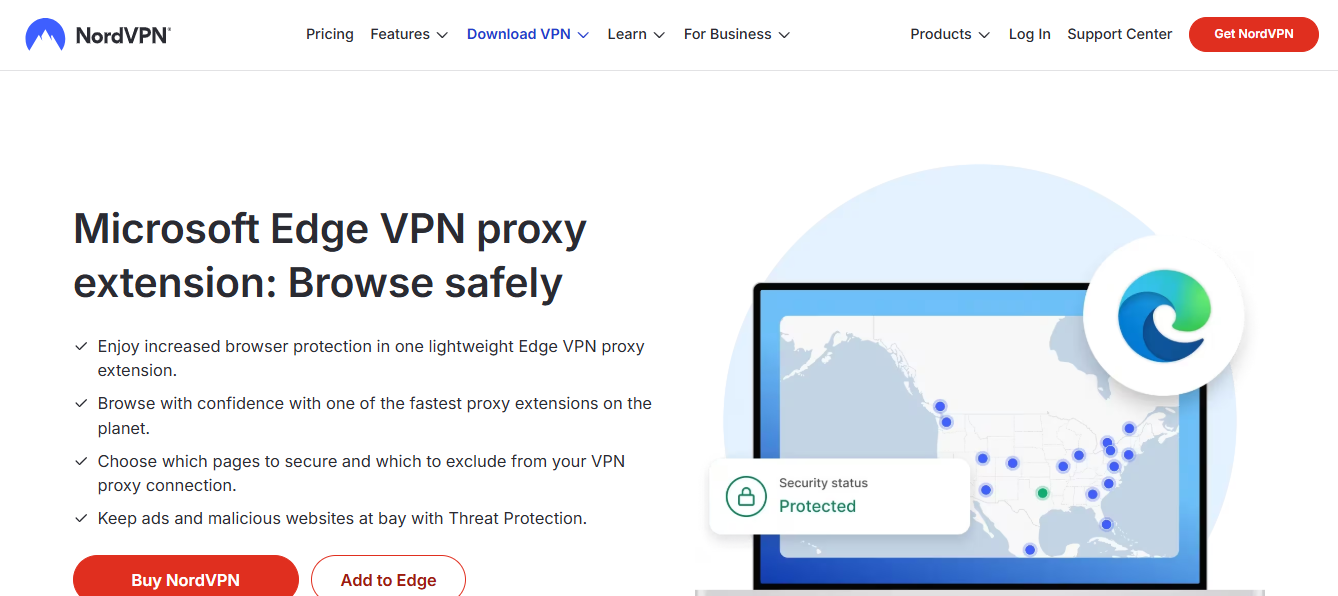
- Open Edge, go to Extensions > Get extensions from Microsoft Edge add-ons store
- Search for your VPN’s Edge extension
- Click Add to Edge and confirm
- Click the extension icon, log in, and connect
- Verify your IP shows the server’s location
Pros and cons for Windows
- App: Strong protection, more features, can route all traffic
- Extension: Lightweight, quick, but may not cover all traffic
Section 3: macOS setup Edge and VPN app A. VPN app installation macOS
- Download the macOS VPN app from the provider
- Install and open it
- Sign in and pick a server
- Connect
- Open Edge to confirm
B. Edge extension installation macOS
- In Edge, Extensions > Get extensions
- Find your VPN extension and install
- Sign in and connect
- Test with Edge by visiting a site that shows your location
Section 4: Android setup Edge and VPN app A. VPN app Android
- Install from Google Play Store
- Open and sign in
- Pick a server and connect
- Open Edge and browse
B. Edge extension on Android
- Open Edge, go to Extensions
- Install the VPN extension if available for Android
- Sign in and enable
- Ensure the VPN is active in the notification shade
C. Quick Android tips
- For best results, use the VPN app rather than relying on the Edge extension alone
- Enable Kill Switch if your provider offers it
- Test DNS leak protection with a quick browser check
Section 5: iOS setup Edge and VPN app A. VPN app iPhone/iPad
- Download from App Store
- Open, log in, pick a server
- Connect
- Open Edge and browse
B. Edge extension on iOS
- Edge extensions on iOS are limited; if your provider offers one, install via Edge > Extensions
- Sign in and connect
- Verify your new IP
Section 6: Edge-specific settings for a smoother experience Edge privacy and security settings
- Turn on Enhanced Security to block suspicious sites
- Use a privacy‑focused search engine in Edge settings
- Disable WebRTC leaks this can sometimes leak IPs; check your extension or VPN app for a setting
- Enable “Do Not Track” requests not a guarantee, but helps
VPN and Edge performance tips
- Choose a nearby server for speed; for content, pick a location that matches the service’s library
- Use split tunneling if your VPN supports it this lets you route only Edge traffic via VPN
- Disable IPv6 if you’re experiencing leaks or connectivity issues some VPNs handle IPv6 poorly
- Turn off other bandwidth-heavy apps when testing speed
Section 7: Privacy, security, and best practices
- Always use a VPN with a reputable no‑logs policy
- Use AES‑256 encryption and a solid protocol WireGuard, OpenVPN
- Check for DNS leak protection
- Use Edge in private or incognito mode if you don’t want local history to accumulate
- Keep your VPN app and Edge browser updated
Section 8: Troubleshooting common issues Issue: Edge not connecting via VPN
- Check if the VPN app is connected
- Try a different server
- Clear Edge cache or restart the browser
- Verify DNS settings within the VPN app
Issue: Slow speeds on VPN
- Connect to a closer server
- Switch protocols if available
- Disable other heavy apps
- Ensure split tunneling is set correctly if you’re using it
Issue: IP or location not matching
- Run a quick IP check many VPNs offer this in the app
- Reconnect to a different server
- Ensure WebRTC leaks are blocked
Section 9: Advanced tips and formats Table: Quick comparison App vs Extension
- Aspect: Coverage, Features, Setup Difficulty, Typical Speed
- App: Full traffic coverage, more features, moderate setup, potentially slower
- Extension: Light coverage, limited features, quick setup, usually faster
Step-by-step quick guide one-pager
- Choose platform
- Install app or extension
- Sign in
- Pick a server
- Connect
- Verify location
- Browse safely
Checklist: Before you go live
- Pick a trusted VPN provider
- Ensure you have a plan that matches your needs
- Enable kill switch and DNS protection if available
- Test a couple of sites to confirm VPN is working
- Keep all software updated
Section 10: Real-world use cases
- Streaming from a region-locked library
- Secure work-from-home access on public networks
- Bypassing school or corporate firewall restrictions
- Privacy-conscious browsing and ad privacy
Section 11: Edge-integrated tips and common mistakes
- Don’t rely solely on the Edge extension for sensitive tasks
- Make sure you’re actually connected to VPN when handling sensitive data
- Don’t disable browser protections while using the VPN; combine both wisely
- Remember to disconnect safely when you no longer need the VPN
Section 12: Performance benchmarks and data
- VPNs typically add 5–20% latency for nearby servers and 50–100+ ms for far servers, depending on encryption and routing
- Throughput can drop 10–40% depending on server load and distance
- WireGuard generally offers better speeds than OpenVPN on modern devices, but your mileage may vary
- Public Wi‑Fi security value increases significantly with VPN use, especially on mobile devices
Section 13: Privacy and policy considerations
- Read the provider’s privacy policy to understand data retention
- Look for jurisdiction and data handling details
- Consider the provider’s transparency reports and independent audits
- Be mindful of logging, telemetry, and analytics in apps
Section 14: Maintenance and updates
- Regularly update Edge and the VPN app/extensions
- Reassess server choices as content libraries change
- Review security settings every few months to adjust as needed
FAQ Section
Frequently Asked Questions
How do I set up a VPN with Microsoft Edge on Windows?
You can either install the VPN app for Windows and connect, or install the Edge extension if your provider offers one. Connect, then verify your location in Edge.
Can I use a VPN extension in Edge instead of the app?
Yes, but you may miss advanced features like a Kill Switch or DNS leak protection. The app route generally provides stronger protection.
Is it safe to use a VPN on Android and iOS with Edge?
Absolutely. Just use a reputable provider and enable security features like Kill Switch and DNS protection where available.
Does a VPN slow down my connection on Edge?
Usually a small slowdown, but it depends on server distance, load, and encryption. Choosing a nearby server can minimize impact.
Should I use split tunneling with Edge?
If you want Edge traffic to go through the VPN while other apps use your regular connection, split tunneling is a good option. Vpn microsoft edge: how to use a VPN with Microsoft Edge, best extensions, setup on Windows, and privacy tips 2026
How do I test if my VPN is working properly with Edge?
Visit a site that displays your IP and location or use a VPN-provided test page to confirm it shows the VPN server’s details.
What if Edge shows a DNS leak?
Enable DNS leak protection in your VPN app or extension, or switch to a server that supports DNS protection.
Can I use a VPN for streaming on Edge?
Yes, many VPNs provide servers optimized for streaming. Just select a server in the country where the content is available.
Is there a risk in using a VPN with Edge on public Wi‑Fi?
The risk is lower with a VPN, but you should still practice general security: avoid sensitive transactions on public networks if possible, and keep devices updated.
How often should I update my VPN app and Edge?
Update both when you’re notified of new versions or security patches. Regular updates keep you protected against latest threats. Vpn for edgerouter integration and configuration guide: OpenVPN, IPsec, WireGuard, and remote access tips 2026
What is split tunneling and should I enable it for Edge?
Split tunneling routes only Edge traffic or your selected apps through the VPN. It’s useful if you need local access for other apps while Edge stays protected.
Can I use a VPN without an Edge extension or app?
Some platforms allow browser-based proxies, but for true protection, use a VPN service through an app or extension.
Do VPNs work in Windows 11/12, macOS Sonoma, or the latest Android/iOS?
Yes, most modern VPNs support current OS versions. Always check the provider’s compatibility notes before buying.
What should I do if I forget my VPN login?
Use the provider’s account recovery process via their website. If you can’t recover, contact customer support.
Section 15: Final tips and personal recommendations Vpn gratis para edge free vpn veepn 2026
- I recommend testing a couple of servers on a weekend—see which ones feel fastest for your location and use case.
- If you frequently hop between devices, consider a single provider with multi‑platform support and one account.
- Privacy matters—don’t skim policies; read their no‑logs claims and audit reports when available.
Useful URLs and Resources text only
- Edge Help Center - support.microsoft.com
- Microsoft Edge Extensions Store - microsoft.com
- VPN provider official site - example.com
- OpenVPN Project - openvpn.net
- WireGuard - wireguard.com
- Privacy Tools - privacytools.io
- DNS Leak Test - dnsleaktest.com
- IP Location Finder - whatismyipaddress.com
- Public Wi‑Fi Safety Tips - us-cert.gov
- Security Best Practices - nist.gov
End of guide
Yes, you can use a VPN with Microsoft Edge. This guide walks you through how to connect a VPN to Edge, whether you prefer a browser extension or a full system VPN, plus practical tips for privacy, speed, and streaming. You’ll get step-by-step instructions, quick comparisons, and real-world tips to keep Edge browsing safe and fast. We’ll cover:
- How browser extensions for Edge work and when to choose them
- How to set up a system-wide VPN on Windows, macOS, Android, and iOS
- The difference between Edge Secure Network and a traditional VPN
- Tips to avoid leaks, improve speeds, and unblock geo-restricted content
- A practical, no-fluff setup path for popular VPNs that work great with Edge
If you’re in a hurry and want a solid deal, check this banner for a limited NordVPN offer that often appears with big discounts:
Introduction: a quick overview of VPNs for Edge Vpn for edge reddit 2026
- Yes, you can use a VPN with Microsoft Edge.
- This guide shows you the two most common routes: install a VPN extension directly in Edge, or run a system-wide VPN on your device so all traffic—including Edge—gets routed through the VPN.
- You’ll learn which method to pick based on what you do online browsing, streaming, gaming, or working remotely, and how to set up each option quickly.
- We’ll also touch on Edge-specific features like Edge Secure Network a browser-level privacy tool and how it compares to full VPNs.
- Practical tips include verifying your IP, avoiding DNS leaks, and choosing the best server location for your needs.
Useful resources text-only, unclickable
- NordVPN - nordvpn.com
- ExpressVPN - expressvpn.com
- Surfshark - surfshark.com
- ProtonVPN - protonvpn.com
- Microsoft Edge support - support.microsoft.com
- What is a VPN? - en.wikipedia.org/wiki/Virtual_private_network
- DNS leak test - dnsLeakTest.com
- Whatismyipaddress - whatismyipaddress.com
Body
Why use a VPN with Microsoft Edge
Using a VPN with Edge is about privacy, security, and access. A VPN hides your IP address from sites you visit, encrypts the data between your device and the VPN server, and makes it harder for third parties to track your online activity. For Edge users, the options split into two broad paths:
- Browser extensions Edge-compatible: Lightweight, quick to install, and great for everyday browsing, streaming on a tight budget, or bypassing basic geo-restrictions.
- System-wide VPN Windows/macOS/Android/iOS: Routes all traffic, including Edge, apps, and background services, through the VPN. Best for comprehensive privacy, secure work connections, and consistent protection on all apps.
According to recent data, the global VPN market continues to grow as more people realize the importance of online privacy and secure connections, with millions of daily active users relying on VPNs for safe browsing, streaming, and remote work. The trend leans toward Edge-friendly options extensions plus robust system-wide solutions for complete coverage.
Browser extensions for Edge: how they work and when to use them
Edge, being Chromium-based, supports most popular VPN extensions you’d find in the Chrome Web Store or Microsoft Edge Add-ons store. Here’s how they work: Vpn for edge free: the definitive guide to using a VPN with Microsoft Edge for privacy, speed, and streaming in 2026
- They install inside Edge and encrypt traffic from the browser itself. Other apps on your device stay on your regular network unless you also run a system VPN.
- Pros: Easy install, quick server switches, minimal setup, good for spoofing location while you’re browsing, streaming content in-browser.
- Cons: Not everything on your device is protected e.g., apps that aren’t Edge, slower to switch between locations if you’re juggling multiple devices, some sites may still see your real IP if you have DNS leaks or IPv6 leaks.
- Best use cases: Browsing privacy, light streaming from within Edge, bypassing geo restrictions for web content, secure coffee-shop browsing.
Top Edge-compatible browser extensions you’ll see in stores:
- NordVPN extension for Edge
- ExpressVPN extension for Edge
- Surfshark extension for Edge
- ProtonVPN extension for Edge
Tips for choosing a browser extension:
- Look for a built-in kill switch within the extension protects you if the VPN crashes
- Check for DNS leak protection and IPv6 leak prevention
- Consider connection speed and server count for your location
- Read user reviews for Edge-specific performance some extensions behave differently on Edge vs other browsers
System-wide VPN: when to choose it over a browser extension
If you want Edge plus every other app on your device covered, go with a system-wide VPN. This is essential for:
- Secure work connections VPN-split networks, company resources
- Protecting non-browser apps email clients, messaging apps, games
- When you need to route all traffic through a VPN for travel or network restrictions
How to decide:
- If most of your online activity happens in Edge and you don’t want to alter other apps, a browser extension could be enough.
- If you need full-device privacy, or you frequently use apps outside Edge, a system-wide VPN is the better pick.
Step-by-step: installing a VPN extension in Microsoft Edge
Below are generic steps that apply to most top VPNs with Edge extensions. If you’re using NordVPN, ExpressVPN, Surfshark, or ProtonVPN, the flow is similar. Vpn 一亩三分地:2026 年海外华人必备的稳定连接指南
- Open Microsoft Edge and go to the Extensions area
- Click the three-dot menu in the upper-right corner, then choose Extensions.
- Or open Edge Add-ons store directly.
- Search for your VPN extension
- Enter “NordVPN”, “ExpressVPN”, “Surfshark”, or the VPN you prefer.
- Read the extension description to confirm it’s the official Edge extension avoid spoofed add-ons.
- Install the extension
- Click Add to Edge or Install.
- Confirm permissions the extension asks for usually access to your tabs and browsing data—this is standard for a VPN extension.
- Sign in and connect
- After installation, open the extension from the Edge toolbar.
- Sign in with your VPN account credentials.
- Pick a server location appropriate for your needs country or city.
- Hit Connect and wait for the connection to establish.
- Verify your connection
- Visit a site that shows your IP like whatismyipaddress.com to confirm your IP matches the VPN server location.
- Check for DNS leaks using a DNS leak test site to confirm DNS queries are going through the VPN.
- Optional safety features
- Enable Kill Switch if available in the extension.
- Turn on IPv6 leak protection and DNS leak protection.
- Use split tunneling if you only want Edge or certain sites to go through the VPN while other traffic stays on your normal network.
- Maintaining security
- Keep the extension updated.
- If you notice slow speeds, switch servers or try a different VPN provider.
- Clear browser cache if you experience issues with loading sites when the VPN is on.
Step-by-step: setting up a system-wide VPN on Windows and macOS
For Windows 10/11 and macOS:
- Subscribe to a VPN service that offers a desktop app
- NordVPN, ExpressVPN, Surfshark, ProtonVPN, etc.
- Install the VPN app
- Download the official app from the provider’s site and install it on your device.
- Sign in and configure
- Sign in with your account.
- Choose server location, protocol OpenVPN, WireGuard, or IKEv2, and enable Kill Switch if available.
- Connect
- Click Connect to establish a VPN tunnel.
- On Windows, you can also connect via the system VPN settings if you prefer a built-in approach Settings > Network & Internet > VPN > Add a VPN connection. Edge traffic will be routed through the VPN once the system connection is active.
- Test and verify
- Open Edge and confirm your IP shows the VPN location.
- Run a DNS leak test to ensure DNS queries are protected.
- Edge and the system VPN
- When the system VPN is on, all Edge traffic is protected automatically, along with other apps.
- If you only want Edge to use the VPN, stick to the browser extension route or use Windows’ per-app VPN features if your VPN supports it.
For Android and iOS:
- Install the VPN app from Google Play or the App Store.
- Sign in, choose a server, and connect.
- Open Edge to browse with an active VPN, or install the Edge extension version if your mobile browser supports it iOS/Android Edge extensions are more limited than desktop.
Edge Secure Network vs. traditional VPN
Edge vs. VPN is a common comparison. Here’s how they differ in practice:
- Edge Secure Network browser-based privacy: This is a privacy feature built into Edge that routes web traffic through a privacy-preserving network, typically using a Cloudflare-like framework. It focuses on protecting your browser traffic and does not always route non-browser apps or provide a full VPN tunnel for all traffic.
- Traditional VPN extension or system-wide: Provides a full tunnel for all traffic from your device, including Edge and other apps. This is what most people think of when they say “VPN.”
Bottom line: If you want comprehensive protection for everything you do online on your device, use a system-wide VPN. If you only want to hide your browser activity in Edge, a browser extension will usually do the job.
Privacy, security, and leak-prevention tips for Edge users
- Always verify no DNS leaks when using a VPN. Run a quick DNS leak test after connecting.
- Use a kill switch to prevent traffic leaks if the VPN drops.
- Prefer VPNs with strong encryption AES-256 and robust privacy policies no-logs wherever possible.
- Disable IPv6 in your network settings if your VPN doesn’t fully support IPv6, to avoid IP leaks.
- Enable split tunneling with Edge if you need to access local devices or local networks while browsing via VPN.
- Regularly update your VPN app or extension to patch security vulnerabilities and improve performance.
- Use strong, unique passwords for your VPN account and enable two-factor authentication if offered.
Performance and speed considerations
- Expect some speed loss with any VPN, due to encryption and distance to the server. Typical speed reductions range from 5–20% for nearby servers to 20–40% for distant locations.
- If you stream or play games, choose servers that optimize for those activities many VPNs label servers for streaming or gaming.
- For Edge, a browser extension is usually lighter on system resources, but a high-quality system-wide VPN often yields more consistent performance across apps.
- Server load matters: pick less congested servers for better speed, even if they’re a bit farther away.
- Protocol choice matters: WireGuard-based services generally offer better speed and reliability than older protocols like OpenVPN on many networks.
How to unblock geo-restricted content in Edge
- Pick a server in the region where the content is available.
- Some streaming sites actively block VPN IPs. if one server is blocked, switch to another nearby location.
- Use a reliable VPN with a large pool of servers and frequent IP rotation to minimize blocks.
- For Edge, ensure you’re using either a browser extension with built-in streaming optimization or a trustworthy system-wide VPN.
Common issues and quick fixes
- Issue: VPN extension not appearing in Edge. Fix: Reinstall the extension, ensure Edge is updated, and check that the extension has the necessary permissions.
- Issue: Slow speeds. Fix: Connect to a closer server, switch protocols, or test multiple servers. Disable other heavy browser extensions temporarily.
- Issue: DNS or IPv6 leaks even when VPN is on. Fix: Enable DNS leak protection in the VPN settings, disable IPv6 in network settings, or update to a VPN with strong leak protection.
- Issue: VPN connection drops frequently. Fix: Enable the Kill Switch, update the VPN app, or try a different server. Check your network for instability.
Security features to look for in a VPN for Edge
- Kill Switch: stops all traffic if the VPN disconnects unexpectedly.
- DNS leak protection: ensures DNS requests go to the VPN’s DNS servers.
- IPv6 leak protection: prevents exposing your real IP via IPv6.
- Auto-connect: automatically connects to a VPN on startup or when you join public networks.
- Per-app routing or split tunneling: lets you decide which apps like Edge go through the VPN.
Practical setup plan: what to do today
- If you’re just browsing and want quick protection: install a top Edge extension NordVPN, ExpressVPN, Surfshark. Connect to a server and do a quick IP check.
- If you want all-device protection: install a system-wide VPN client on Windows or macOS. Configure a reliable server location, enable Kill Switch, and test with Edge.
- Optional: try Edge Secure Network for browser-level privacy, but remember it isn’t a full VPN for all apps.
Quick recommendations for Edge users
- Best all-around for Edge users who want solid protection with minimal fuss: NordVPN extension or equivalently capable ExpressVPN or Surfshark extension.
- Best all-device protection: a reputable desktop VPN with fast servers and a transparent privacy policy.
- For budget-conscious users who still want good performance: look for value plans with long-term pricing, plus trial or refund options.
FAQ: Frequently Asked Questions Vpn一直打开:是不是该全天候开启VPN?保姆级指南与实用技巧 2026
Is there a built-in VPN in Microsoft Edge?
Edge itself does not include a full VPN, but it does offer Edge Secure Network as a browser-level privacy feature. For full device protection, you’ll want a browser extension or a system-wide VPN.
Can I use a VPN extension in Edge on Windows, macOS, and Linux?
Edge supports extensions on Windows and macOS. Linux support depends on the browser version and Edge availability. Windows and macOS are the most common environments for Edge VPN extensions.
Do browser VPN extensions protect other apps on my device?
No. Browser extensions protect traffic within the browser. To protect all apps, use a system-wide VPN.
Will a VPN slow down my Edge browsing?
Generally yes, because of encryption and routing through a distant server. The extent depends on server location, provider, and network conditions. If you notice big slowdowns, try a closer server or a different provider.
Can I use a VPN to access geo-restricted content in Edge?
Yes, you can, by connecting to a server in a region where the content is available. Some streaming services are aggressive about blocking VPN IPs, so you may need to switch servers or providers. Vpn一年多少钱:2026年最全价格解析与选购指南
How do I verify my VPN is working in Edge?
Visit a site that shows your IP address e.g., whatismyipaddress.com and confirm the displayed location matches your VPN server. Run a DNS leak test to ensure DNS queries are not leaking.
Should I disable IPv6 when using a VPN in Edge?
If your VPN doesn’t fully handle IPv6, disabling IPv6 can prevent leaks. Check your VPN provider’s guidance and adjust settings accordingly.
Can I use multiple VPNs at once in Edge?
Not typically. Running two VPNs simultaneously can cause conflicts and connection drops. Use one trusted VPN at a time—either a browser extension or a system-wide VPN.
What’s better: NordVPN, ExpressVPN, Surfshark for Edge?
All three are well-regarded and Edge-compatible. Your choice should depend on server locations, speed, price, and whether you want a browser extension or a system-wide solution. If you’re mostly browsing in Edge and want simple protection, an Edge extension from NordVPN or Surfshark is a solid pick. If you need full-device protection and strong privacy features, a system-wide solution like ExpressVPN or NordVPN is a great option.
Is Edge Secure Network enough for privacy?
Edge Secure Network adds browser-level privacy but is not a full VPN for all your device’s traffic. If you want comprehensive protection for everything you do online, use a VPN extension or a system-wide VPN. Vpn super unlimited proxy edge 2026
Can I use a VPN on mobile Edge?
Yes. You can install a VPN app on Android or iOS and use Edge there. If you want browser-specific protection on mobile, some VPNs offer mobile browser extensions as well, though most mobile setups rely on the system VPN.
How do I choose the best VPN for Edge?
- Look for Edge-compatible extensions from reputable providers with clear privacy policies.
- Consider server variety and speeds, kill switch availability, DNS leak protection, and price.
- Check for a no-logs claim and independent audits if possible.
- Evaluate how easy it is to install, switch servers, and test for leaks.
Can I run a VPN on my Chromebook to protect Edge?
Chromebooks can run VPN extensions via their Chrome/Edge-compatible store or use a system-wide VPN if the device supports it. Check your device’s capabilities and the VPN provider’s Chromebook compatibility.
Do VPNs keep me completely anonymous online?
VPNs increase privacy by masking your IP and encrypting traffic, but no service can guarantee complete anonymity. Combine VPN use with strong password hygiene, two-factor authentication, and cautious online behavior to maximize privacy.
How often should I update my VPN app or extension?
Keep your VPN software updated regularly to benefit from security patches, performance improvements, and new features. Enable automatic updates if possible.
What if Edge blocks a VPN extension?
Try reinstalling the extension, clearing cache, or restarting Edge. If the problem persists, test another extension or use a system-wide VPN. Some corporate networks block VPN usage. in that case, check with your network administrator. Vpn二维码:告别繁琐配置,一扫即连! 2026
蚂蚁vpn更新最新版本下载与使用指南:版本更新要点、速度、隐私保护、平台兼容性与常见问题