Vpn unlimited extension chrome ultimate guide to installing using and optimizing chrome vpn extensions in 2025 Quick fact: a reliable Chrome VPN extension can dramatically improve online privacy, unlock geo-restricted content, and protect you on public Wi‑Fi without slowing you down. In this guide, you’ll get a practical, step-by-step approach to choosing, installing, configuring, and maximizing the performance of Chrome VPN extensions in 2025. Think of this as a friendly troubleshooting companion that fits in your browser bar.
- Quick-start overview: what you’ll learn
- How to pick a trustworthy Chrome VPN extension
- Step-by-step installation and initial setup
- Real-world tips to optimize speed, reliability, and privacy
- Common pitfalls and how to avoid them
- A practical FAQ to clear up the most common questions
Useful URLs and Resources text format, not clickable Apple Website - apple.com Artificial Intelligence Wikipedia - en.wikipedia.org/wiki/Artificial_intelligence Chrome Web Store - chrome.google.com/webstore VPN Privacy Guidelines - vpnprivacy.org/guidelines Data Privacy Regulations - en.wikipedia.org/wiki/Data_privacy Public Wi‑Fi Security Tips - willhackforshoes.example/privacy Internet Security Best Practices - https://www.kaspersky.com/resource-center/definitions/internet-security Online Privacy Basics - https://www.eff.org/issues/privacy-tools
Why use a Chrome VPN extension in 2025?
- Privacy on the go: Your IP address and location get masked, making it harder for sites and trackers to build a profile around you.
- Bypass geo‑limits: Access shows, streaming libraries, and services that are restricted to certain regions.
- Public Wi‑Fi safety: Encrypts traffic on cafés, airports, and hotels, reducing the risk of snooping.
- Convenience: A lightweight extension is quicker to toggle than a full VPN app.
Stat: In 2024, over 40% of internet users reported using a VPN at least once a month to access content or protect privacy. By 2025, that number is expected to rise as more people rely on browsers for quick protection without installing a separate app.
How to choose the right Chrome VPN extension
Quick criteria to filter options
- Trust and reputation: Look for extensions from established providers with transparent privacy policies.
- Logging policy: No-logs should be stated clearly; avoid extensions that collect browsing data.
- Protocols and encryption: OpenVPN or WireGuard-based extensions with strong AES-256 encryption are good signs.
- Speed and reliability: Independent reviews or user reports on latency and disconnects matter.
- Jurisdiction: Prefer providers with privacy-friendly legal frameworks and clear data handling.
- Extensions vs. apps: Some providers offer “extension only” solutions with optional desktop/mobile app syncing.
Top features to look for
- Kill switch: Cuts traffic if the VPN drops to prevent leaks.
- Split tunneling: Choose what traffic goes through the VPN and what goes direct.
- auto-connect: Connects to a VPN on startup or when on untrusted networks.
- DNS leak protection: Ensures your DNS requests don’t reveal your true location.
- Browser isolation: Some extensions keep VPN traffic within the browser session.
Common red flags
- No clear privacy policy or vague statements about data collection.
- Frequent disconnects or unstable server coverage.
- Excessive permissions requested by the extension beyond what’s needed.
Step-by-step installation and initial setup
Step 1: Find a reputable extension
- Open Chrome Web Store and search for a trusted VPN extension.
- Check reviews, update frequency, and permissions requested by the extension.
Step 2: Install the extension
- Click “Add to Chrome” and confirm.
- Pin the extension to your toolbar for easy access.
Step 3: Create/sign in to your account
- If needed, create an account with the VPN provider or sign in with existing credentials.
- Some providers offer a free trial or a limited plan—great for testing.
Step 4: Choose a server location
- Start with a nearby server for speed; switch to country-specific servers for content access.
- Note the latency: aim for under 100 ms for smooth browsing and under 60 ms for streaming.
Step 5: Enable the kill switch and DNS protection
- Turn on the kill switch to prevent leaks if the extension disconnects.
- Enable DNS leak protection to keep your real DNS out of sight.
Step 6: Configure auto‑connect and privacy settings
- Set auto-connect on untrusted networks e.g., public Wi‑Fi.
- Review privacy settings to minimize data sharing with the provider.
Step 7: Test for leaks
- Run a quick check at dnsleaktest.com and iplocation.net to ensure your real IP isn’t exposed.
- Verify WebRTC is disabled or protected if your extension supports it.
Step 8: Set up split tunneling if available
- Decide which sites or apps should bypass the VPN and which should stay protected.
- Use this sparingly to maximize both speed and privacy.
How to optimize Chrome VPN extensions for speed and reliability
Optimize browser-related factors
- Keep Chrome up to date to ensure the best performance and security features.
- Disable unnecessary extensions that may consume bandwidth or interfere with VPN traffic.
- Use a dedicated DNS resolver option if your VPN provides it; otherwise, rely on your provider’s DNS.
Server strategy
- Prefer nearby servers for better latency; use faster regions like those with robust infrastructure.
- Rotate servers if you experience slowdowns or high congestion.
- Test streaming servers separately to ensure compatibility with sites like streaming services.
Network conditions and hardware
- A stable internet connection is the backbone; if your base connection is flaky, add stability with a wired connection when possible.
- On older devices, avoid running heavy tasks while connected to the VPN to prevent CPU bottlenecks.
Common troubleshooting tips
- If you can’t connect, switch to a different server or protocol OpenVPN vs WireGuard.
- If pages fail to load, try disabling split tunneling or changing DNS settings.
- If you notice slow speeds, run a speed test with and without the VPN to quantify impact.
Security and privacy considerations in 2025
- Jurisdiction matters: Some countries require data retention or provide broad government access to encrypted data. Choose a provider with privacy-forward policies and transparent disclosures.
- Data minimization: A good VPN should collect minimal data, such as connection timestamps or bandwidth usage, but not your browsing history.
- Browser fingerprinting: Even with a VPN, certain browser characteristics can be used to identify you. Use privacy-focused settings and consider additional tools if needed.
- End-to-end encryption: VPNs encrypt traffic between your device and the provider’s server; the last mile to the destination may still be unencrypted if the site isn’t using HTTPS.
Practical use cases for Chrome VPN extensions
Case 1: Accessing region-locked streaming libraries
- Connect to a server in the country where the content is available.
- Clear cache and cookies to avoid regional restrictions tied to stale data.
- Verify streaming service detects your location consistently by playing a short video.
Case 2: Securing public Wi‑Fi at coffee shops
- Enable auto-connect on public networks.
- Use DNS protection and kill switch to prevent leaks if the connection drops.
- Avoid logging into sensitive accounts unless you’re sure the VPN is stable.
Case 3: Bypassing school or workplace network restrictions
- Use a VPN to create a secure tunnel for legitimate purposes like privacy and access to information.
- Respect local policies and use VPNs responsibly; avoid bypassing policy restrictions on sensitive data.
Comparison table: popular Chrome VPN extensions pros and cons
- PureVPN Extension: Pros - solid privacy policy, fast servers; Cons - some server locations are limited in the trial.
- ExpressVPN Extension: Pros - strong performance, good device compatibility; Cons - higher price, occasional buffering on crowded servers.
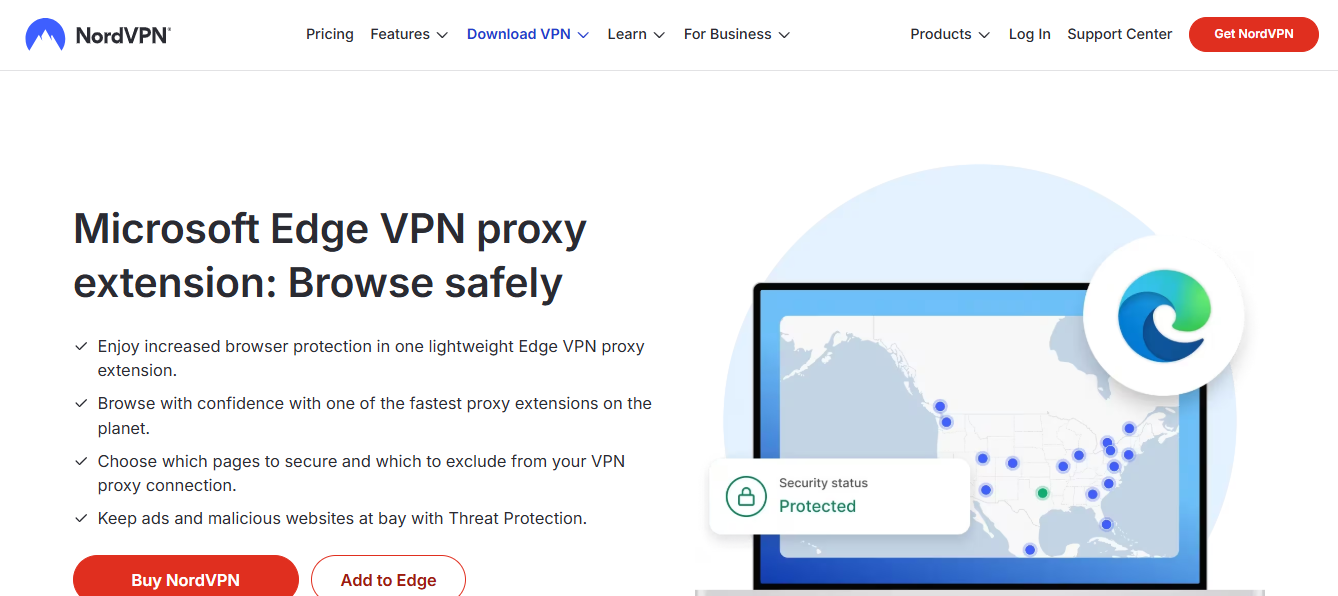
- NordVPN Extension: Pros - large server network, reliable kill switch; Cons - occasional UI lag.
- Surfshark Extension: Pros - cost-effective, unlimited devices; Cons - fewer premium features on the browser extension.
- ProtonVPN Extension: Pros - strong privacy focus, transparent policies; Cons - slower speeds on free plan.
Note: Always verify the latest user reviews and independent audits before choosing.
Best practices for long-term VPN extension health
- Regularly review permissions: If the extension requests more access than needed, consider alternatives.
- Keep credentials secure: Use unique passwords and enable two-factor authentication where possible.
- Periodic wallet and data checks: If the provider offers data usage reports, review them to ensure there’s no unusual activity.
- Backup options: Maintain a secondary VPN provider as a contingency plan in case one service has outages.
Advanced tips for power users
- Combine VPN with privacy-focused browsers for layered protection.
- Use a dedicated DNS service with DNSSEC validation for extra security.
- Learn to read server load indicators on your VPN provider’s dashboard to choose faster options.
How to uninstall or disable a Chrome VPN extension
- Click the puzzle piece icon in the Chrome toolbar.
- Find the VPN extension, click the three dots, and choose “Remove from Chrome.”
- If you’re troubleshooting, you can disable it temporarily without removal to compare performance.
Troubleshooting common extension issues
- Issue: Extension not connecting
- Try a different server or protocol.
- Check your internet connection and firewall settings.
- Issue: Websites aren’t loading
- Disable WebRTC leaks, switch DNS settings, or try a different DNS provider.
- Issue: Speed drops dramatically
- Test multiple servers, clear browser cache, or reduce browser extensions running in parallel.
Safety checklist for Chrome VPN extensions
- Always use a reputable provider with a transparent privacy policy.
- Enable kill switch and DNS leak protection.
- Use strong, unique credentials and enable 2FA if possible.
- Avoid logging into sensitive accounts unless you know your traffic is protected.
Frequently asked questions
How do I choose the best Chrome VPN extension for 2025?
Choose based on trust, minimal data logging, strong encryption, server options, and a reliable kill switch. Read independent reviews and test during a trial.
Can VPN extensions affect streaming quality?
Yes, it can improve access to geo-restricted content, but it may also introduce latency. Use nearby servers and fast protocols to minimize impact.
Are Chrome VPN extensions safe to use on public Wi‑Fi?
Yes, when you pick a reputable provider and enable the kill switch and DNS protection. Vpn microsoft edge: how to use a VPN with Microsoft Edge, best extensions, setup on Windows, and privacy tips 2026
Do I need a separate VPN app if I have a Chrome extension?
Not always. Extensions are convenient, but standalone apps can offer system-wide protection and features not available in the browser extension.
How do I test if my VPN is leaking my real IP?
Use dnsleaktest.com or iplocation.net after connecting to the VPN. Check for your VPN’s advertised IP instead of your real IP.
Can I use multiple VPNs in one browser?
Generally not, and it can cause conflicts. Stick to one reliable Chrome VPN extension.
What should I do if I suspect the VPN extension is logging my data?
Review the provider’s privacy policy, check for independent audits, and consider switching to a provider with a stronger privacy stance.
How often should I update my VPN extension?
Update regularly, especially after major Chrome updates, to ensure compatibility and security fixes are applied. Vpn for edgerouter integration and configuration guide: OpenVPN, IPsec, WireGuard, and remote access tips 2026
Is split tunneling safe?
Split tunneling can be safe if you configure it carefully, but misconfigurations can leak your true IP. Use it only when you know what you’re doing.
Can I use a VPN on mobile browsers as well?
Many providers offer mobile apps; if you’re using Chrome on mobile, consider the provider’s mobile extension or app for full protection.
Vpn unlimited extension chrome is a browser extension for Chrome that lets you route traffic through a VPN. In this guide, you’ll learn what it does, how to install it, how to choose a trustworthy provider, best practices for privacy and security, troubleshooting tips, and real-world usage scenarios. We’ll cover setup steps, performance tips, common myths, and a thorough FAQ to keep you covered. If you’re curious about a reliable option to pair with a Chrome VPN extension, check out NordVPN with this deal: And here are some useful resources to keep handy all text here is non-clickable in this intro:
- NordVPN deal page – dpbolvw.net/click-101152913-13795051?sid=070326
- Chrome Web Store – chrome.google.com/webstore
- Virtual Private Network – en.wikipedia.org/wiki/Virtual_private_network
- OpenVPN – openvpn.net
- VPN buying guide – techradar.com/vpn-guide
- Privacy and security basics – en.wikipedia.org/wiki/Privacy
Introduction: what you’ll get in this video guide
- Quick answers and a big-picture view: you’ll see how a Chrome VPN extension fits into your daily browsing, what it can and cannot do, and when you should use it versus a full desktop VPN.
- Step-by-step setup: we’ll walk through installing a Chrome VPN extension, enabling it, selecting a server, and turning on kill switches and leak protection.
- Real-world tips: how to speed up connections, pick the right location for streaming or privacy, and avoid common pitfalls like DNS leaks.
- Safety and recommendations: practical guidance to stay secure while using browser-based VPNs, plus a reality check on the “unlimited” claim.
- Quick resources: a handy list for further reading and legit providers to consider.
Body Vpn gratis para edge free vpn veepn 2026
What is a VPN unlimited extension chrome?
A VPN unlimited extension chrome is a browser extension that adds VPN-like functionality directly inside Google Chrome. It usually routes your browser traffic through a VPN server, hides your IP for sites you visit in the browser, and can offer features like WebRTC leak protection. It’s designed for convenience, fast setup, and minimal system impact since it doesn’t always tunnel all device traffic like a full desktop VPN app. Many extensions advertise “unlimited” bandwidth or data, but real-world performance depends on server load, your internet speed, and the extension’s own design.
How it differs from desktop VPN apps
- Scope: Chrome extensions usually affect only browser traffic, not your entire device’s network activity. A desktop VPN app often routes all traffic on the device.
- Resource usage: Extensions are lighter on system resources, making them a good fit for laptops orChromebook users who just want browser-level protection.
- Features: Desktop VPN apps may offer more robust features like split tunneling at the system level, advanced kill switches, and wider protocol options. Browser extensions tend to focus on simplicity and quick fixes.
What “unlimited” means in these extensions
- In marketing terms, “unlimited” typically means no explicit data cap or a very high quota for the extension’s usage. In practice, performance depends on server capacity and network conditions. Expect occasional slowdowns during peak hours or if the provider enforces throttling to manage load.
Why you might want a Chrome VPN extension
- Quick privacy while browsing on public Wi‑Fi.
- Access to region-restricted content inside the browser.
- Lightweight protection without installing extra software.
- Convenience for devices where you can’t or don’t want to install a full VPN app.
Pros and cons of browser-based VPN extensions
- Pros:
- Easy to install and manage directly in Chrome.
- Lightweight and quick to enable/disable.
- Useful for geo-unblocking within the browser and protecting privacy on browser traffic.
- Cons:
- Doesn’t protect non-browser apps e.g., torrent clients, system updates, game clients unless you run a full VPN.
- Some extensions rely on a single provider’s network, which can create a single point of failure.
- Privacy claims depend on the provider’s logging policies. free extensions often monetize via data.
- Potential for DNS leaks if the extension doesn’t enforce proper DNS routing.
How to choose a Chrome VPN extension and avoid traps
- Check the provider’s privacy policy and logging: look for explicit no-logs statements and independent audits where possible.
- Look for strong security features: DNS leak protection, WebRTC leak protection, a kill switch even for browser traffic, and secure encryption AES-256 or equivalent.
- Server options and performance: higher server counts, diverse locations, and reputable data-center networks usually translate to better performance and more streaming options.
- Jurisdiction and data retention: consider where the provider is based and how data is treated under local laws.
- Extensions vs. desktop apps: decide if you need browser protection only or full-device coverage.
- Reviews and transparency: prefer providers with clear documentation, frequent updates, and independent reviews.
- Free vs. paid: be wary of free options that monetize through ads, data collection, or limited speeds. A paid option often means better privacy policies and faster, more reliable networks.
- Ease of use: a clean, intuitive UI helps you connect quickly without digging through menus.
Step-by-step: install and activate a Chrome VPN extension
- Open Chrome and go to the Chrome Web Store.
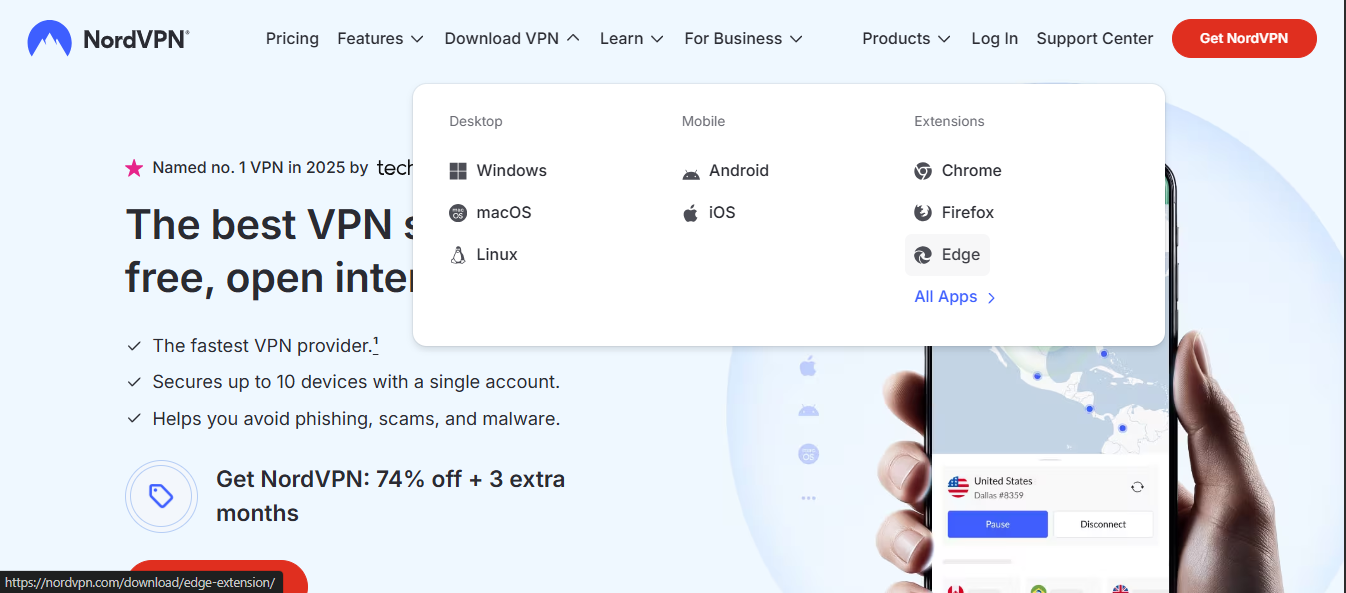
- Search for a reputable VPN extension e.g., “NordVPN” or another trusted provider.
- Click Add to Chrome and confirm permissions. Extensions will request access to sites you visit, data on the pages you load, and sometimes your device’s information—review these permissions carefully.
- Sign in or create an account with your provider.
- Choose a server/location and toggle the extension on. If available, enable features like a kill switch and WebRTC/DNS leak protection.
- Test for leaks: visit a site like "what is my IP" to confirm your IP and location reflect the VPN server rather than your real address.
- If you’re streaming or gaming, try a few servers to find a balance between latency and geolocation access.
Real-world usage: when to turn on the extension
- Public Wi‑Fi: Always enable the extension to reduce risk on unsecured networks.
- Streaming: Use servers in the country that matches your streaming service’s library, but test for buffering.
- Privacy-first browsing: Enable the extension when you’re signing into accounts or handling sensitive information.
- Bypassing geo-restrictions: Use a server in the target country, then verify content availability.
- General browsing: You might keep it off to maximize speed unless you need protection.
Security and privacy best practices
- Avoid extensions with questionable permission requests. If an extension asks for unnecessary permissions, consider alternatives.
- Enable DNS leak protection to ensure DNS queries go through the VPN’s DNS resolver.
- Use a browser with a strict privacy stance and keep Chrome updated to minimize security flaws.
- Combine with a desktop VPN if you need full-device protection or to cover apps outside the browser.
- Regularly review connected servers and log data policies. Rotate credentials and enable multi-factor authentication if offered.
- Disable WebRTC in Chrome settings if your extension doesn’t enforce WebRTC leak protection a common leak vector.
Performance and troubleshooting tips
- Test multiple servers: some locations will be significantly faster due to network topology and peering.
- Disable other bandwidth-heavy extensions when testing speed to isolate variables.
- Clear cache or use an incognito window to prevent cached data from affecting speed tests.
- If streaming, try a nearby server first, then a country that grants access to the library you want.
- If you notice DNS leaks, switch DNS settings in the extension or the provider’s dashboard to a more private resolver.
- Reinstall the extension if it behaves oddly or stops connecting reliably.
Real-world tips for reliability
- Always keep your browser and extension up to date. Security patches and performance improvements come with updates.
- Avoid extensions that require excessive system permissions or bundle third-party software you don’t trust.
- Use strong, unique passwords for your VPN account and enable two-factor authentication where possible.
- If you’re on a laptop, consider battery impact. Some extensions can modestly affect battery life during long sessions.
Common myths vs. reality
- Myth: A Chrome VPN extension protects all traffic. Reality: It primarily protects browser traffic unless you’re using a system-wide VPN or a provider that offers full-device protection.
- Myth: More servers always mean faster speeds. Reality: Server load, routing, and peering influence performance. closer servers aren’t always the fastest.
- Myth: Free extensions are safe. Reality: Free options often monetize data, show ads, or restrict features. paid options tend to be more privacy-focused and reliable.
Privacy-focused usage checklist
- Review the extension’s privacy policy and avoid extensions that log your activity beyond what’s necessary for service delivery.
- Prefer providers with independent audits and transparent incident reporting.
- Use a reputable provider for the Chrome extension and consider a paired desktop VPN if you need full-device coverage.
- Regularly audit browser permissions and disable extensions you don’t use.
Practical example: streaming with a Chrome VPN extension
- Scenario: You want to watch a show only available in a different country.
- Steps:
- Open the VPN extension in Chrome and select a server in the target country.
- Verify your new apparent location on a site like whatismyipaddress.com ensure it shows the new country.
- Open your streaming service and test if the library loads. If not, try a nearby server in the same country or a second country with access.
- If buffering occurs, switch servers or temporarily disable the extension for a direct connection if permissible by your privacy needs.
- Outcome: You get access to the library while keeping browser traffic relatively private.
What to do if you hit a problem
- No connection: restart the extension and try a different server. Check that Chrome is up to date.
- DNS leaks: enable DNS leak protection in the extension’s settings or switch to a provider with stronger DNS handling.
- Slow speeds: test multiple servers. consider a nearby location or a server known for good performance with your ISP.
- IP address not changing: confirm you’re using the extension not a separate VPN app and that the traffic is going through the extension.
Security considerations when using Chrome VPN extensions
- Chrome extensions can be a vector for attack if the provider isn’t reputable. Stick with well-known, audited providers.
- Avoid extensions that request broad access to all web pages, unless you’re confident in the provider’s privacy stance.
- Treat browser extensions as part of a layered privacy approach, not a silver bullet.
FAQs
What is a VPN unlimited extension chrome?
Vpn unlimited extension chrome is a Chrome browser extension that provides VPN-style protection for your browser traffic, offering features like IP masking, encryption, and sometimes WebRTC/DNS leak protection, with marketing claims of unlimited data usage within the extension’s scope.
Do Chrome VPN extensions protect my entire device?
Not always. Most browser extensions protect only in-browser traffic. For full-device protection, you’ll want a desktop VPN app or a system-wide VPN.
Are browser VPN extensions safe to use?
They can be, especially when from reputable providers. Always review permissions, read privacy policies, and prefer extensions with a track record of security updates and audits.
What does “unlimited” mean in these extensions?
Usually it means no explicit data cap within the extension’s terms, but real-world speed and reliability depend on server capacity, your internet speed, and network conditions. Vpn for edge reddit 2026
How do I install a Chrome VPN extension?
Open Chrome, go to the Chrome Web Store, search for a reputable VPN extension, click Add to Chrome, grant permissions, sign in, and activate the extension.
Will a Chrome extension slow down my browsing?
Possibly. Encryption and routing add some overhead. The impact varies by server location, network congestion, and the extension’s efficiency.
Can I use a Chrome VPN extension for streaming?
Yes, many people use extensions to access region-locked content inside the browser. Test different servers to find one that works consistently with your streaming service.
What is a kill switch, and should I enable it?
A kill switch stops all traffic if the VPN disconnects, preventing data from leaking. It’s a good safety feature to enable whenever available.
How do I test for DNS leaks?
Use a site like dnsleaktest.com to verify that DNS requests are routed through the VPN’s DNS servers rather than your ISP’s DNS. Vpn for edge free: the definitive guide to using a VPN with Microsoft Edge for privacy, speed, and streaming in 2026
Do I need a login for every browser extension?
Most extensions require you to sign in to your VPN provider account to enable the service. A single account can often be used across multiple devices.
Can I combine a Chrome extension with a desktop VPN app?
Yes. You can run a desktop VPN for system-wide protection and use a Chrome extension for browser-level privacy when needed.
How can I choose the best server for streaming?
Start with servers in the target country closest to your location, then experiment with nearby options or servers known to have good streaming performance. Some providers publish server load information to help you pick fast options.
Are there privacy risks with Chrome VPN extensions?
There can be, especially with lesser-known providers or extensions that request broad access. Stick to providers with clear privacy policies, independent audits, and transparent practices.
What should I do if the extension stops working?
Restart the extension, try another server, ensure your Chrome is up to date, and check for extension updates. If the problem persists, consult the provider’s support resources. Vpn 一亩三分地:2026 年海外华人必备的稳定连接指南
Do free Chrome VPN extensions exist?
Yes, but they often come with trade-offs like limited servers, throttled speeds, ads, or data collection. For serious privacy and performance, paid options are generally better.
Can I use a Chrome VPN extension on mobile Chrome?
Many providers offer mobile browser integrations or companion apps. Check your provider’s documentation for iOS/Android compatibility and setup steps.
Final tips for 2025
- Prioritize reputable providers with audited privacy policies and a clear no-logs stance.
- Remember that Chrome extensions are a piece of your privacy puzzle. pair them with strong browser hygiene, regular updates, and, if needed, a desktop VPN for device-wide protection.
- Always verify your new IP location after enabling the extension and test for DNS or WebRTC leaks to be confident you’re protected.
Frequently Asked Questions expanded
- How do I know if my Chrome extension is leaking?
- Can I use multiple Chrome VPN extensions at once?
- Does turning off WebRTC prevent leaks?
- How does a kill switch work in a Chrome extension?
- Are there best practices for streaming through VPNs in 2025?
- How do I evaluate a VPN provider’s privacy policy?
- Is it safe to install VPN extensions from third-party stores?
- How can I measure VPN speed improvements or declines?
- What are the signs of a compromised VPN extension?
- How often should I update my VPN extension and browser?
Note: This guide emphasizes responsible, privacy-respecting usage and helps you navigate the world of Chrome VPN extensions without overpromising on “unlimited” capabilities. As you explore different extensions, keep the core principles in mind: verify provider trust, protect your data, and test performance across the services that matter most to you.
一 键 搭建 vpn 服务器 Vpn一直打开:是不是该全天候开启VPN?保姆级指南与实用技巧 2026