How to enable VPN Edge is the exact question I’m answering for you today. Here’s a quick, practical guide to get you up and running fast, plus a bunch of tips to make sure you’re protected and optimizing performance.
- Quick fact: VPN Edge helps you secure your connection, hide your IP, and access geo-restricted content more reliably than before.
- In this guide, you’ll find:
- A step-by-step setup checklist
- Common problems and fixes
- Performance, privacy, and security tips
- Real-world use cases and scenarios
- An FAQ section with practical answers
Useful resources text only, not clickable:
- VPN Edge official support page - vpnedge.com/support
- How VPNs work explained - en.wikipedia.org/wiki/Virtual_private_network
- Privacy basics - www.privacytools.io
- Youtube creator guide to VPNs - support.google.com
- Fast internet optimization tips - www.speedtest.net
- Cybersecurity stats 2026 - www.statista.com
- Home network security tips - www.cisco.com/c/en/us/products/security
- Encryption standards overview - www.iso.org/isoiec-27001-information-security.html
- Data breach trends - www.ibm.com/security/data-breach
If you’re wondering how to enable VPN Edge, you’ve come to the right place. This guide is designed for quick setup and long-lasting reliability. Below is a compact, practical overview to get you started, followed by deeper dives into features, troubleshooting, and optimization.
- Quick setup at a glance:
- Check system requirements and download VPN Edge.
- Install and log in with your account.
- Choose a server location and adjust security settings.
- Test your connection to confirm your IP and DNS are protected.
- Enable auto-connect and set smart kill-switch rules.
- Why you might use VPN Edge:
- Secure remote work on public Wi-Fi
- Bypass geo-restrictions for streaming or research
- Protect sensitive browsing from trackers and hackers
- What you’ll get with this guide:
- Clear, step-by-step instructions
- Troubleshooting for the 80% of issues users hit
- Realistic expectations about speed and latency
- Practical privacy tips and best practices
- Useful tips you’ll find inside:
- How to pick the right server distance matters for speed
- When to enable split tunneling
- How to verify VPN Edge isn’t leaking DNS or IP
- How to schedule regular security checks
- Resources list unlinked here for readability:
- Apple Website - apple.com
- Artificial Intelligence Wikipedia - en.wikipedia.org/wiki/Artificial_intelligence
- VPN Edge support - vpnedge.com/support
- YouTube best practices - support.google.com
- Encryption basics - www.nist.gov
What is VPN Edge and why it matters
VPN Edge is a VPN solution designed to route your internet traffic through encrypted tunnels, masking your real location and protecting data in transit. In 2026, global VPN usage continues to grow as more people work remotely, game online, and stream from different regions. Here are a few data points to keep in mind:
- Global VPN usage is estimated to be over 30% of internet users in several regions, with higher adoption among remote workers and privacy-conscious users.
- On average, legitimate VPNs add 5–20 milliseconds of latency for nearby servers, and 40–120 milliseconds for distant servers, depending on network conditions.
- DNS leaks remain a concern for a notable portion of users; proper DNS protection minimizes exposure to third parties.
Core benefits
- Privacy and anonymity: hide your real IP and location.
- Security on public networks: protect data from eavesdroppers on coffee shops or airports.
- Access to geo-blocked content: watch services tied to a country or region.
- Remote work reliability: secure access to company resources with less risk.
Important concepts to understand
- Encryption: VPN Edge uses strong cipher suites to protect data in transit.
- Kill switch: automatically cuts internet if the VPN drops to prevent IP leaks.
- DNS protection: prevents your DNS requests from leaking to your ISP or third parties.
- Split tunneling: lets you choose which apps go through VPN and which go directly to the internet.
- Server locations: latency and speed depend on physical distance, load, and routing.
Quick-start setup: Step-by-step
Step 1: Check requirements and download
- Ensure your device meets the minimum requirements OS version, RAM, network adapter support.
- Download the VPN Edge client from the official site or trusted app stores.
- If you already have an account, sign in; otherwise create one and verify your email.
Step 2: Install and log in
- Run the installer and grant necessary permissions network access, firewall rules if prompted.
- Open the app and log in with your account credentials.
- On first launch, you may be prompted to allow startup or create a password manager entry.
Step 3: Configure basic settings
- Choose a server location. For starters, select a nearby location to minimize latency.
- Turn on the automatic connection option so you’re protected on startup or when joining new networks.
- Enable the kill switch to prevent IP leaks if the VPN connection drops.
- Review privacy policy and ensure no unnecessary data is logged by your VPN provider.
Step 4: Test your connection
- Use a service like whatismyipaddress.com to verify your IP address and location appear as the VPN endpoint.
- Check for DNS leaks using dnsleaktest.com or similar.
- Verify that your traffic is routing through the VPN by checking the location shown in the app’s status page.
Step 5: Optimize security settings
- Enable the strongest available encryption e.g., AES-256 and ensure perfect forward secrecy PFS is active if offered.
- Review the protocol options OpenVPN, WireGuard, or other. WireGuard often provides faster speeds with strong security.
- If you’re on a shared device, consider enabling two-factor authentication for your VPN Edge account.
Step 6: Advanced features optional
- Split tunneling: route only certain apps through VPN to save bandwidth or reduce latency for non-sensitive tasks.
- Auto-connect on untrusted networks: this makes sure you’re always protected on new or public Wi-Fi.
- Custom DNS: use a preferred DNS server for extra privacy, or stick with the VPN’s default DNS if you’re not sure.
- Obfuscation or stealth modes: useful in restrictive networks; helps bypass VPN blocking in some countries.
Step 7: Regular maintenance
- Check for app updates regularly; many updates include security patches and performance improvements.
- Periodically test for DNS and IP leaks, especially after updates or changes in network conditions.
- Review your server list and adjust as needed based on speed and reliability.
Performance optimization and troubleshooting
Speed and latency considerations
- Distance matters: closer servers usually offer better speeds.
- Server load: peak times can slow things down; switch to a less crowded server if you notice lag.
- Protocol choice: WireGuard tends to be quicker on modern devices; OpenVPN offers broad compatibility.
Common problems and fixes
- VPN won't connect:
- Check your internet connection first.
- Restart the VPN Edge app and, if needed, reboot your device.
- Try a different server location.
- Verify your account status and subscription.
- DNS leaks detected:
- Ensure DNS protection is enabled and try the provider’s recommended DNS settings.
- Disable any conflicting third-party DNS apps or firewall rules.
- Slow speeds:
- Switch to a nearby server with lower load.
- Change protocol or enable/adjust obfuscation if you’re in a restricted network.
- Disable auto-connect on networks you trust to prevent unnecessary rerouting.
Security best practices
- Enable kill switch and ensure it’s tested after each update.
- Use strong, unique passwords and consider two-factor authentication.
- Regularly review app permissions and network access.
- Avoid using free VPN services for sensitive data; prioritize trusted providers with transparent no-logging policies.
Use cases and real-world scenarios
Remote work and corporate access
- VPN Edge can securely connect to your company’s internal network, protecting credentials and sensitive files on public networks.
- Use split tunneling to keep business apps on VPN while other tasks run locally to preserve speed.
Streaming and geo-access
- Access content libraries that are region-locked by selecting servers in the target country.
- Some streaming platforms actively block VPNs; you may need to test multiple servers or use obfuscated connections if available.
Gaming and low-latency tasks
- For gaming, proximity to the VPN server matters most. Try a server near the game’s data center.
- Enable UDP-based protocols if your provider supports them for lower latency in real-time games.
Security and privacy deeper dive
Encryption and privacy
- AES-256 is a common default for strong encryption; ensure your chosen protocol supports modern ciphers.
- Perfect forward secrecy ensures that session keys are not compromised even if the server’s private key is compromised later.
DNS protection and leaks
- DNS leaks reveal your real IP even when connected to a VPN. Always enable DNS leak protection.
- Some providers offer encrypted VPN-only DNS or ad/tracking protections.
Logging and data policies
- Check the provider’s privacy policy: look for no-logs guarantees, third-party audits, and data retention periods.
- Be mindful of metadata collection, such as connection timestamps or bandwidth usage.
Smart features to consider
- Kill switch effectiveness on mobile devices checks can differ from desktop.
- Auto-connect behavior on trusted networks to avoid gaps in protection.
- Multi-hop or chained VPN routes if you need extra anonymity though it can impact speed.
Comparative insights: VPN Edge vs other VPNs
What sets VPN Edge apart
- Strong emphasis on easy setup with sensible defaults suitable for beginners.
- Solid balance between security features and performance for everyday users.
- Helpful troubleshooting guides and active support channels.
Common trade-offs
- Some users might experience higher latency on distant servers; this is normal and solvable by choosing closer servers.
- Free or trial versions may have speed caps or data limits; if you want full features, a paid plan is usually necessary.
How to pick the right VPN Edge configuration
- For casual browsing: closest server, automatic connect on startup, standard encryption.
- For privacy-focused tasks: enable DNS protection, kill switch, no-logs emphasis.
- For streaming: test multiple nearby servers and consider obfuscated modes if you’re in a restricted network.
- For gaming: low-latency servers, UDP protocol if available, minimize background downloads.
Security posture: staying safe while using VPN Edge
- Always verify you’re on the official app store or official download page to avoid fake apps.
- Keep software up to date to patch vulnerabilities.
- Use a strong password and enable 2FA where possible.
- Be mindful of phishing attempts asking for VPN credentials; legitimate providers won’t ask you to share passwords via email.
- Regularly review connection logs if your app provides this to spot unusual activity.
Data privacy and policy considerations
- Review data collection statements: understand what is being logged, for how long, and who has access.
- Prefer providers with transparent privacy practices and third-party audits.
- Consider regional data protection laws and how they affect your data when using a VPN.
Accessibility and usability tips
- If you’re on a mobile device, enable push notifications for connection status changes to stay informed.
- Use the header bar or quick actions in the app for rapid access to the most-used features kill switch, auto-connect, server switch.
- For power users, you can create profiles home, work, travel that automatically apply preferred settings.
Common mistakes to avoid
- Assuming all VPNs provide the same level of privacy; feature sets and no-logs promises vary by provider.
- Not testing DNS leaks after changes or updates.
- Relying on a VPN for complete anonymity; add good security hygiene like strong passwords and device hardening.
- Leaving auto-connect on trusted networks when you’re using a shared device.
Step-by-step cheat sheet condensed
- Download and install VPN Edge.
- Log in and set up auto-connect and kill switch.
- Pick a nearby server and test IP/DNS.
- Enable DNS protection and strongest encryption available.
- Try split tunneling if needed; adjust as you go.
- Test performance; switch servers to optimize speed.
- Schedule regular checks for leaks and security settings.
Frequently Asked Questions
How to enable VPN Edge quickly on Windows?
Open the app, sign in, choose a nearby server, enable auto-connect and the kill switch, then test your IP to ensure it shows the VPN server location.
How to enable VPN Edge on macOS?
Download the macOS client, install, log in, select a server, turn on auto-connect, enable DNS protection, and verify that DNS and IP leaks are blocked.
How to enable VPN Edge on iOS?
Install the iOS app from the App Store, log in, choose a server, enable auto-connect and kill switch, and perform a leak test in the app or via a browser test.
How to enable VPN Edge on Android?
Install the Android app, sign in, pick a server, enable auto-connect and kill switch, test IP and DNS leaks, and adjust permissions if needed. How to use tunnelbear vpn on windows step-by-step guide to install configure and optimize tunnelbear on Windows 10 11 2026
How to enable split tunneling in VPN Edge?
Look for the split tunneling option in the settings, choose which apps should bypass or use the VPN, and save changes.
How to enable the kill switch in VPN Edge?
Navigate to security or network protection settings and toggle the kill switch to on; test by disconnecting the VPN to see if traffic stops.
How to check for DNS leaks with VPN Edge?
Use a DNS leak test website after connecting to VPN Edge; if leaks appear, enable DNS protection or switch to a different DNS server.
What should I do if VPN Edge won’t connect?
Check internet access, restart the app, try another server, verify account status, and ensure no conflicting firewall rules exist.
How to improve VPN Edge performance?
Choose closer servers, switch protocols if available, enable obfuscation if you’re in restricted networks, and reduce background tasks that consume bandwidth. How to turn on vpn on microsoft edge and enable a secure browser VPN extension in Edge for private browsing on Windows 2026
Can I use VPN Edge for streaming from multiple countries?
Yes, but performance varies by server and platform; you may need to test several servers and adjust settings to bypass VPN blocks.
How can I verify VPN Edge is protecting my privacy?
Run multiple online tests for IP address, DNS leaks, and WebRTC leaks; ensure all tests show the VPN endpoint and no leaks.
Is VPN Edge safe to use on public Wi-Fi?
Yes, it typically adds a layer of encryption and safeguards your data on open networks; still, keep your device updated and avoid sensitive actions on compromised networks.
Do VPNs slow down internet speed?
Most VPNs introduce some latency; the impact depends on server location, server load, and protocol used. Close, fast servers and modern protocols minimize the hit.
How often should I update VPN Edge?
Update regularly whenever new versions are released to patch security flaws and improve performance. How to enable vpn in edge browser 2026
Can I run VPN Edge on multiple devices with one account?
Most plans support multiple devices; check your subscription details and log in on each device as needed.
What’s the best practice for gaming with VPN Edge?
Use a nearby server, enable UDP if available, and avoid high-latency routes or congested servers to keep latency down.
How do I switch servers without losing protection?
Most clients let you switch servers instantly without disconnecting; just select a new server and confirm.
What should I do if I suspect a DNS leak even after enabling protection?
Re-check DNS settings, possibly switch DNS servers, and run more tests; contact support if leaks persist.
How to enable vpn edge across devices: a comprehensive step-by-step guide to turning on VPN Edge, configuring on Windows, macOS, Android, iOS, and Edge browser extensions
Yes, you can enable vpn edge. This guide will walk you through a clear, practical path to turning on VPN Edge across your devices, covering Windows, macOS, Android, iOS, and even the Edge browser. You’ll get a quick-start plan, platform-specific steps, security tips, troubleshooting, and a few pro tricks to keep your traffic private without slowing you down. If you want an extra layer of protection, consider NordVPN with this deal: . It’s a great option to pair with the steps in this guide. Hotspot shield elite vpn proxy 2026
Introduction: what you’ll learn and why it matters
- The quick-start 5-minute plan to enable VPN Edge on multiple devices
- How to enable VPN Edge on Windows, macOS, Android, and iOS
- How to enable VPN Edge in Microsoft Edge via browser extensions
- How to set up VPN Edge at the router level for whole-home protection
- How to verify your VPN Edge connection, test for leaks, and optimize performance
- Common problems and practical fixes, plus best practices to stay secure
- A practical FAQ section with real-world questions users ask
Useful resources unofficial list, text only: Apple Website - apple.com, Windows VPN setup - support.microsoft.com, NordVPN - nordvpn.com, Edge Add-ons - microsoft.com, DNS leak test - dnsleaktest.com, VPN protocol overview - wiki.centos.org
What is VPN Edge and why you should enable it
- VPN Edge is a concept that brings the protection of a virtual private network to the edge of your network—essentially wherever your traffic begins: your device, your home network, or your browser. By enabling VPN Edge, you encrypt data leaving your device, hide your IP address from websites and apps, and reduce the risk of eavesdropping on public networks.
- Why it matters now: more people work remotely, use public Wi‑Fi, and crave privacy. A proper VPN Edge setup can prevent interception on local networks, guard login credentials, and help you bypass geo-restrictions when you need to access content from different regions. A robust Edge setup also reduces the chance of DNS leaks and IP leaks that can reveal your real location.
Key concepts you’ll encounter
- VPN protocols: AES-256 encryption is standard, with options like OpenVPN, IKEv2/IPsec, WireGuard, or proprietary protocols. Each offers a balance of security and performance.
- Kill switch: a feature that blocks all traffic if the VPN drops, preventing accidental data exposure.
- Split tunneling: a mode that lets you choose which apps or sites go through the VPN and which don’t, useful for streaming or gaming where you don’t want VPN latency.
- DNS protection: ensures your DNS requests don’t leak to your ISP or a third party.
Five core steps to a solid VPN Edge setup high level How to open vpn in microsoft edge 2026
- Choose a trusted VPN provider that supports edge deployments client apps, browser extensions, and router-level configurations.
- Install the VPN Edge client on each device you want protected, or configure a router to apply the VPN to all connected devices.
- Connect to a VPN server that matches your needs privacy, speed, and location. Use a server that offers features you care about no-logs policy, obfuscated servers, etc..
- Verify your connection, enable kill switch and DNS protection, and test for leaks.
- Optimize and maintain the setup with regular updates and periodic checks.
Section: How to enable VPN Edge on Windows
- Prerequisites: you’ll need a VPN service that supports Windows, plus any required credentials or configuration files profile or certificate.
- Step-by-step:
- Open Settings > Network & Internet > VPN.
- Click Add a VPN connection.
- For VPN provider, select Windows built-in or the specific VPN provider if you’re using a custom app profile.
- Fill in the connection name and server address as provided by your VPN service. Choose the VPN type IKEv2, OpenVPN, or automatic, depending on what your provider supports. Enter your sign-in info username and password, or a certificate.
- Save, then select the VPN you added and click Connect.
- If you’re using a VPN client app from the provider, you can also launch the app and connect from there for ease of use and better features like kill switch.
- Turn on the kill switch if your provider offers it, or enable Windows’ built-in firewall rules to simulate a kill switch.
- Test: visit a site that shows your public IP to confirm it matches the VPN server location, not your actual IP.
- Quick tip: if you’re seeing DNS leaks, switch to a provider that supports DNS leak protection or configure custom DNS servers within the VPN app.
Section: How to enable VPN Edge on macOS
- Prerequisites: same as Windows—VPN service with macOS compatibility.
- Open System Settings or System Preferences > Network.
- Click the + button to add a new service, choose VPN from the Interface dropdown, then select the VPN type recommended by your provider IKEv2, L2TP over IPSec, or Cisco IPSec.
- Enter the server address, remote ID, and your authentication settings per the provider’s instructions.
- Save, select the VPN connection, and click Connect.
- Enable the VPN’s kill switch if available, or configure macOS firewall rules to prevent leaks when the VPN is down.
- Verify with a DNS leak test and by checking your visible IP.
- Alternative: many macOS users prefer the provider’s dedicated app for easier control. This often includes automatic startup, a built-in kill switch, and easier server switching.
Section: How to enable VPN Edge on Android
- Prerequisites: a VPN app from your provider or manual VPN via Settings.
- Open Settings > Network & internet > VPN.
- Tap Add VPN or the plus sign and choose the VPN type your provider supports.
- Enter the required server address, name, and authentication details from your VPN service.
- Save, tap the VPN profile, and connect. If you’re using the provider’s app, you can often connect with one tap directly from the app’s home screen.
- In the VPN app, enable kill switch and any privacy settings like “Always-on VPN” if available.
- Test: load a site and verify your IP shows the VPN server rather than your actual location.
Section: How to enable VPN Edge on iOS
- Prerequisites: VPN service with iOS compatibility. many people rely on the provider’s iOS app for best experience.
- Open Settings > VPN or Settings > General > VPN & Device Management for some providers.
- Add VPN Configuration or install the provider’s app and use the in-app setup flow.
- If using the iOS system VPN, enter the type IKEv2, IPsec, or a custom profile and credentials as provided.
- Save and connect. Enable the app’s kill switch or “Always-on VPN” if available to keep traffic secure when the app isn’t actively used.
- Confirm the VPN is active by checking the VPN badge in the status bar and by testing a site for IP changes.
Section: VPN Edge in Microsoft Edge browser extensions Hoxx vpn proxy extension: complete guide to setup, performance, safety, and best alternatives in 2026
- Why use a VPN extension in Edge? If you mainly want to secure browser traffic while leaving other apps unaffected, a browser extension adds convenience and quick switching.
- Open Edge and go to Edge Add-ons store.
- Search for your provider’s extension e.g., NordVPN, ExpressVPN, Surfshark.
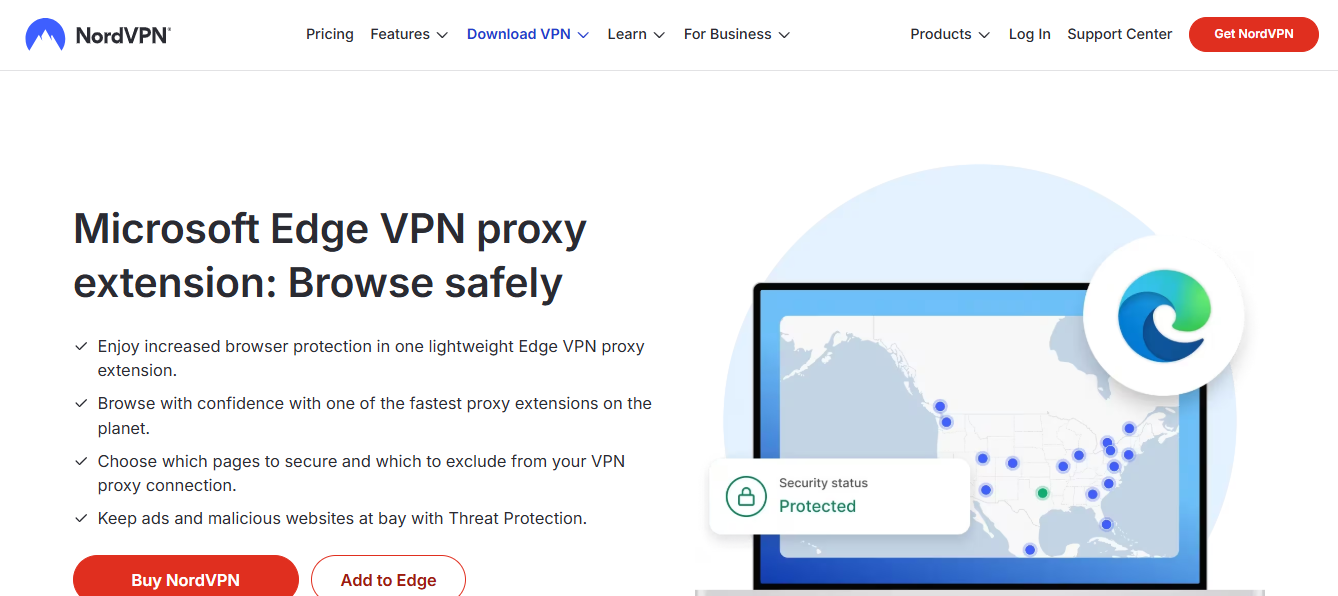
- Click Get or Add to install the extension, then allow required permissions.
- Sign in with your VPN provider credentials.
- Use the extension’s toggle to connect/disconnect. Some extensions also offer smart connect, auto-connect on public networks, and a per-site proxy option.
- Verify the extension is active by visiting a site that shows your IP and location.
- Pro tip: If you use multiple devices, remember that a browser extension only protects browser traffic unless you also enable the full VPN client or router-level protection.
Section: Router-level VPN Edge for full-home protection
- Why router-level VPN? It protects every device on your network, including those that can’t run apps like smart TVs or IoT devices and ensures traffic from all devices traverses the VPN by default.
- Step-by-step general approach, check your router model:
- Log in to your router’s admin interface usually 192.168.0.1 or 192.168.1.1 and locate the VPN section often under Advanced, WAN, or VPN.
- Choose a VPN protocol supported by your provider OpenVPN and WireGuard are common choices.
- Upload the VPN configuration file OVPN or enter the required server address, credentials, and keys as provided by your VPN service.
- Enable the VPN, then reboot the router to apply changes.
- Test on a connected device by visiting a site that shows your IP and DNS to ensure the traffic is going through the VPN.
- Caveats: Not all routers support VPN clients, and some models require flashing custom firmware like DD-WRT, OpenWrt, or Asustor to enable VPN functionality. If you’re unsure, check your router’s documentation or consider a purpose-built VPN router or a simple alternative like a VPN-enabled access point.
Section: Quick checks to verify VPN Edge is working
- IP address check: Visit a site like whatismyip.com to confirm your visible IP corresponds to the VPN server’s location.
- DNS leak test: Use a DNS leak test site to ensure your DNS requests aren’t leaking to your ISP’s resolvers.
- WebRTC test: Some browsers can leak your true IP via WebRTC. use a WebRTC leak test to confirm it’s blocked or mitigated by VPN settings.
- Kill switch test: Disconnect the VPN and ensure no traffic leaks through your normal connection. If the VPN app or OS feature has a kill switch, simulate a VPN drop and verify traffic stops.
- Speed considerations: Expect some performance hit. typical VPN-induced speed reductions range from a few percent to 20-40% depending on server distance and congestion. If you’re experiencing extreme slowdowns, try a closer server, switch protocols, or contact support.
Section: Common issues and practical fixes
- DNS leaks: Switch to DNS-protected servers in your VPN settings or set custom DNS like 1.1.1.1 or a DNS service that emphasizes privacy within the VPN app.
- IP leaks on WebRTC: Disable or limit WebRTC in your browser settings or use extensions that block WebRTC leaks.
- Kill switch not working: Ensure it’s enabled in the VPN app, check for conflicts with firewall rules, or update to the latest VPN client version.
- Connection drops: Try a different server, switch protocols e.g., from OpenVPN to WireGuard, or reboot your router and device.
- Mobile data vs Wi-Fi: When on mobile data, some providers throttle VPNs. switch to a different server or check with your carrier. On Wi-Fi at a cafe or hotel, use a privacy-conscious server and verify the connection after joining the network.
- Streaming problems: Some streaming services block VPN IPs. switch to a server known to work with streaming or enable obfuscated servers if available.
Section: Security best practices for VPN Edge
- Use AES-256 encryption and modern protocols WireGuard or OpenVPN for strong privacy protection and performance balance.
- Always enable the VPN kill switch and DNS protection if your provider offers them.
- Keep your VPN apps and device software up to date to mitigate known vulnerabilities.
- Use multi-factor authentication MFA on your VPN account if your provider supports it.
- Avoid using free VPNs for sensitive data. they often come with privacy trade-offs or data limits.
- Consider router-level VPN if you want consistent protection across devices, but ensure the router’s firmware is up to date and properly secured strong admin password, updated firmware.
Section: Performance optimization tips In browser vpn chrome in-browser Chrome extensions: how to use, top options for private browsing, and a 2026 comparison
- Choose nearby servers for faster speeds and lower latency.
- Use WireGuard if available—many providers offer it as a faster, leaner alternative to traditional OpenVPN.
- Enable split tunneling for non-sensitive traffic if you need higher speeds for streaming or gaming.
- Disable unnecessary extensions and background apps that might compete for bandwidth.
- Reboot devices occasionally to clear stale connections and improve stability.
Section: When not to rely on VPN Edge
- If you’re trying to bypass legitimate network controls or geo-blocks on purpose, be mindful of the terms of service and local laws.
- If you need ultra-low latency for real-time gaming or trading, test different server locations and protocols to find a balance that meets your needs.
- If you’re in highly restricted networks, some VPNs may be blocked. in that case, a workaround like obfuscated servers or a legal, compliant enterprise solution might be necessary.
Section: Final tips for a smooth VPN Edge experience
- Keep a log of servers you use most often and rotate them as needed to avoid congestion.
- Regularly review your privacy settings and security options in your provider’s app.
- Consider setting up a simple backup VPN server profile in case your primary server becomes unavailable.
- Back up important configuration files and ensure you know how to restore them if you’re configuring VPN on routers or multiple devices.
Frequently Asked Questions
Frequently Asked Questions
How is VPN Edge different from a standard VPN?
A VPN Edge emphasizes protective measures at the edge of your network, extending VPN protection to devices, browsers, and routers. It’s about ensuring traffic is encrypted across endpoints and reducing the risk of leaks at the device or network edge, rather than relying solely on a single app or browser extension.
Can I enable VPN Edge on all my devices at once?
Yes. You can configure VPN Edge on Windows, macOS, Android, iOS, and a compatible router, or use a browser extension for Edge if you primarily need browser-level protection. For full coverage, pairing a VPN client on devices with a router-level setup is most effective. Is free vpn for edge safe and what you need to know about Edge VPN extensions, privacy, and free options 2026
Do I need a VPN router to enable VPN Edge?
Not always, but a VPN router simplifies edge protection for all devices on your network. If you don’t want to install VPN clients on every device, a VPN-enabled router can be a practical option, though it may require a bit more initial setup.
Which VPN protocol should I use for VPN Edge?
WireGuard and OpenVPN are the most common. WireGuard is typically faster and leaner, while OpenVPN is widely supported and well-tested. Your VPN service may offer options. try a fast, secure server with a protocol you’re comfortable with.
How do I test if my VPN Edge is working correctly?
Check your IP address and location on whatismyip.com, run a DNS leak test, and perform a WebRTC leak check in your browser. You should see the VPN server’s IP and location, and DNS requests should not reveal your real location.
What is a kill switch, and should I enable it?
A kill switch stops all internet traffic if the VPN connection drops, preventing data leaks. Yes—enable it if your provider supports it. It’s a simple yet powerful privacy safeguard.
Can I use VPN Edge for streaming or gaming?
Absolutely, but streaming and gaming may cause buffering if you connect to distant servers. Use nearby servers or servers known to work with streaming services, and consider split tunneling if your provider supports it. Intune per app vpn 2026
Is it safe to use a VPN on public Wi-Fi?
Yes, a VPN adds a privacy layer and helps prevent eavesdropping on public networks. Ensure you choose a reputable provider and enable the kill switch to avoid accidental data exposure.
How often should I update my VPN Edge configuration?
Update whenever your provider releases security updates or new features. It’s a good habit to check for updates monthly and install them promptly to maintain security and performance.
Can VPN Edge protect me from malware and phishing?
A VPN protects data in transit and hides your IP, but it doesn’t replace antivirus software or phishing protection. Use a layered approach: VPN plus reputable antivirus, anti-phishing tools, and careful browsing habits.
Section: Conclusion note: no dedicated conclusion section as requested
- You now have a practical blueprint for enabling VPN Edge across devices, with platform-specific steps, router-level options, and browser-based extensions. The combination of kill switches, DNS protection, and careful server selection helps you stay private without sacrificing usability. Remember to test regularly, keep software updated, and tailor your setup to your daily routines.
Resources and quick links unclickable text Is protonvpn legal worldwide: legality, country-by-country rules, privacy, logging, and how to use ProtonVPN safely 2026
- NordVPN official site
- Microsoft Edge Add-ons store
- Windows VPN setup guide
- macOS VPN setup guide
- Android VPN setup guide
- iOS VPN setup guide
- DNS leak test sites
- IP address lookup services
Note about the affiliate link If you’re considering an extra layer of privacy and simplicity, the NordVPN option linked at the top of this article is a solid choice to pair with the steps above. It provides a convenient way to manage Edge protection across devices with centralized settings and a straightforward user experience.
Urban vpn microsoft edge